Organizations across industries are producing more digital content than ever before. Marketing teams manage thousands of images and videos, software companies maintain extensive documentation libraries, and media firms archive terabytes of creative assets. Without a structured system in place, files become scattered, duplicated, or lost entirely. Digital Asset Management (DAM) platforms provide the structure, governance, and accessibility required to keep digital content organized and secure.
TLDR: Digital Asset Management platforms help organizations centralize, organize, secure, and distribute digital content efficiently. Leading solutions such as Bynder, Adobe Experience Manager Assets, Brandfolder, Canto, MediaValet, and Aprimo offer varying strengths in scalability, integrations, and workflow automation. Selecting the right platform depends on asset volume, collaboration needs, compliance requirements, and budget. A well-implemented DAM system reduces risk, improves productivity, and protects brand integrity.
This article reviews six reputable asset management platforms that are widely recognized for reliability and performance. Each offers unique features designed to handle large content libraries, streamline collaboration, and ensure consistent brand governance.
1. Bynder
Bynder is known for its clean interface and strong brand governance capabilities. It is particularly popular among marketing and creative teams that need easy access to approved brand assets while maintaining strict control over usage permissions.
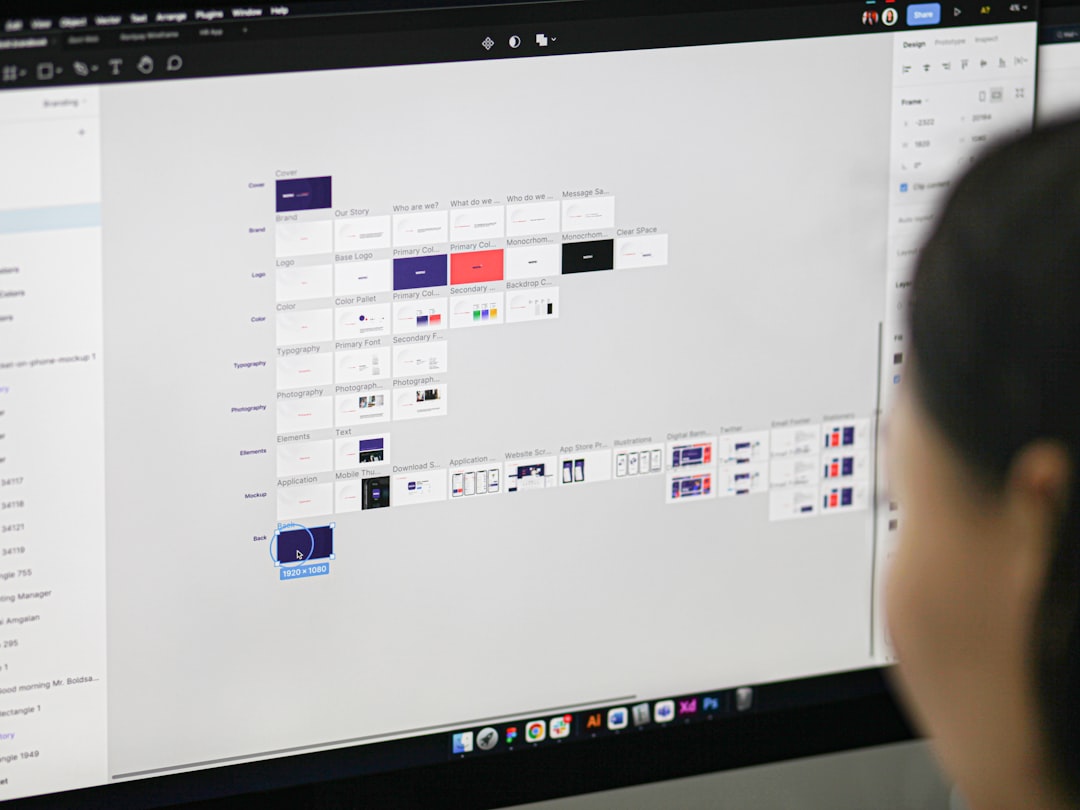
Key strengths include:
- Centralized asset library with powerful metadata tagging
- Brand guideline enforcement tools
- Role-based permissions for secure collaboration
- Cloud-native architecture for global accessibility
Bynder also supports workflow approvals, ensuring that only validated content is distributed externally. For companies managing multiple regional campaigns or international teams, the platform’s scalability and localization support make it a reliable choice.
However, organizations with highly complex enterprise requirements may find they need additional customization to match advanced operational structures.
2. Adobe Experience Manager Assets
Adobe Experience Manager (AEM) Assets is positioned at the enterprise end of the DAM market. As part of Adobe’s broader Experience Cloud ecosystem, it integrates seamlessly with Creative Cloud tools such as Photoshop and Illustrator.
Notable features include:
- AI-powered tagging using Adobe Sensei
- Advanced search and metadata management
- Dynamic media capabilities for responsive delivery
- Deep integration with Adobe marketing solutions
AEM Assets excels when managing large, complex digital ecosystems—particularly for companies already invested in Adobe products. Artificial intelligence capabilities automatically tag and categorize assets, significantly reducing manual effort. This is particularly beneficial for organizations with vast image or video libraries.
The platform requires technical resources for implementation and ongoing management, making it best suited to enterprises with dedicated IT and digital teams.
3. Brandfolder
Brandfolder is a highly intuitive DAM platform built for simplicity and performance. It focuses on helping organizations maintain brand consistency while making asset retrieval effortless.
Core advantages:
- User-friendly search functionality
- Advanced analytics for asset performance tracking
- Customizable portals for partners and distributors
- Flexible integration options
One of Brandfolder’s strongest differentiators is its analytics engine. Companies can monitor how assets are being used, downloaded, and shared. This data-driven approach enables smarter content decisions and improved return on investment.
The interface is deliberately streamlined, allowing non-technical staff to navigate with minimal training. As a result, adoption rates tend to be high across departments.
4. Canto
Canto offers a balanced combination of usability and functionality. It is often considered a strong mid-market solution that delivers powerful organization tools without excessive complexity.

Key benefits include:
- Smart visual search technology
- Custom metadata fields
- Collaboration and commenting tools
- Secure sharing links for external distribution
Canto supports visual recognition technologies that allow users to search for images based on content rather than filenames. This functionality significantly improves efficiency in environments where thousands of visual assets are stored.
Its collaborative features allow teams to comment directly within the platform, reducing reliance on lengthy email chains and fragmented communication.
5. MediaValet
MediaValet is a cloud-based DAM solution built on Microsoft Azure. It is recognized for its strong global performance and enterprise-grade security standards.
Platform highlights include:
- Unlimited users under many pricing models
- AI-driven auto-tagging
- Enterprise-level security compliance
- Scalable infrastructure for large content volumes
Because MediaValet is cloud-native, it provides consistent access speeds regardless of user location. Multinational corporations benefit from reliable file distribution and centralized governance.
This platform is well suited for industries with strict compliance requirements, such as healthcare, finance, and government sectors. The emphasis on security does not compromise usability, making it accessible for both administrators and end users.
6. Aprimo
Aprimo combines digital asset management with robust marketing resource management capabilities. It is particularly valuable for organizations seeking to align content production with strategic planning.
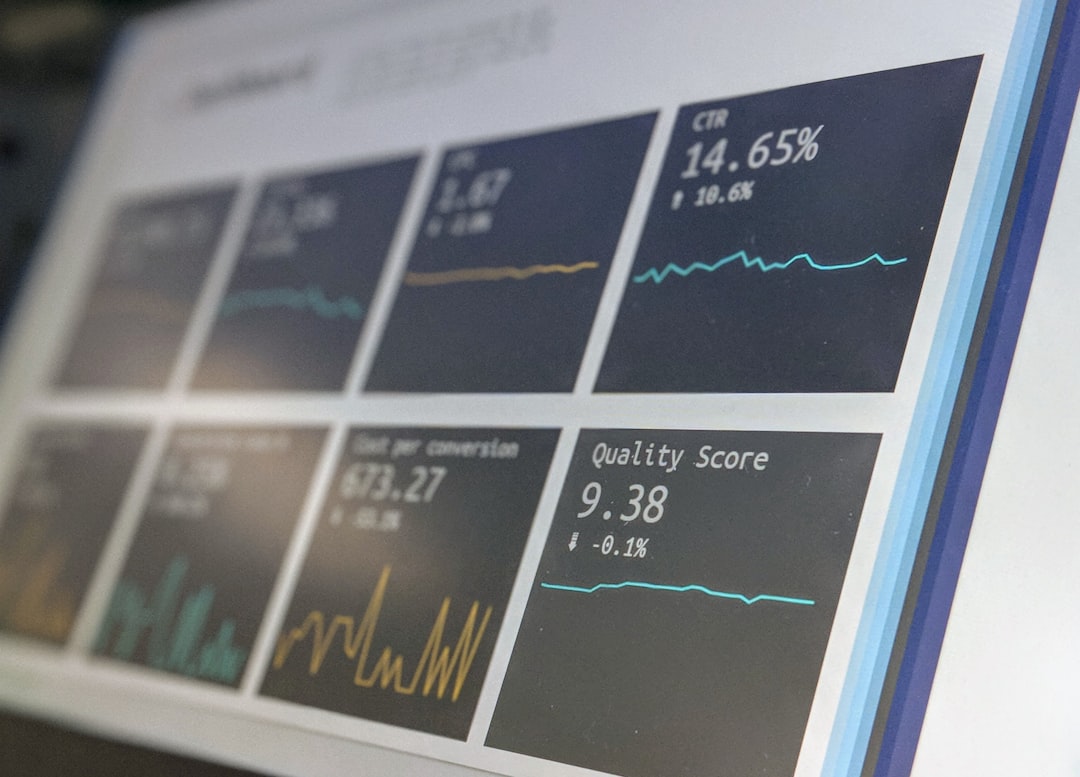
Distinct advantages include:
- Comprehensive workflow automation
- Budget and resource tracking
- Strong governance controls
- Integration with major enterprise systems
Aprimo stands out for end-to-end visibility across the asset lifecycle. From initial concept through approval, publication, and archival, every step can be documented and tracked. For marketing departments operating under strict timelines and compliance frameworks, this level of oversight is invaluable.
Due to its extensive functionality, Aprimo is often implemented within larger enterprises or highly regulated industries.
Key Considerations When Choosing a DAM Platform
While each platform offers compelling capabilities, selecting the right solution requires careful analysis. Organizations should assess several factors before committing:
- Asset volume: How many files must be managed now and in the future?
- User base: How many internal and external users require access?
- Integration needs: Does the system connect with existing software?
- Security requirements: Are there compliance or data protection mandates?
- Scalability: Can the platform grow alongside the organization?
- Total cost of ownership: Consider licensing, onboarding, and maintenance costs.
A thorough needs assessment will prevent costly migrations later. Additionally, executive sponsorship and clear governance policies greatly influence successful adoption.
Why Digital Asset Management Matters
Without structured asset management, organizations often face duplicated effort, inconsistent branding, and security vulnerabilities. Employees spend valuable time searching for files that may already exist elsewhere in the organization. In contrast, a well-implemented DAM system delivers measurable advantages:
- Improved productivity through streamlined search and retrieval
- Enhanced brand consistency across channels
- Reduced compliance risk with clear usage rights tracking
- Optimized collaboration across departments
As remote work continues to expand and global teams collaborate across time zones, centralized digital access becomes essential rather than optional.
Final Thoughts
The digital landscape is expanding rapidly, and content volumes will only continue to grow. Organizations that invest in robust digital asset management platforms are better positioned to maintain operational discipline and brand cohesion.
Bynder, Adobe Experience Manager Assets, Brandfolder, Canto, MediaValet, and Aprimo each represent credible, established solutions suited to different organizational profiles. Whether the goal is enterprise-scale automation, creative workflow optimization, or secure global distribution, there is a platform aligned with those objectives.
Adopting a DAM system is not merely a technical upgrade; it is a strategic investment in efficiency, governance, and long-term digital sustainability. Companies that treat asset management as a core operational priority will gain a measurable competitive advantage in today’s content-driven environment.


