The global sneaker resale market has grown into a multi‑billion‑dollar industry, and with that growth has come one major concern: authenticity. When shoppers consider buying from resale platforms, one of the most common questions they ask is whether they can truly trust what they’re getting. Among the most searched questions is this: does GOAT sell fake shoes? Given the brand’s size and influence, it’s a fair and important concern.
TLDR: GOAT does not intentionally sell fake shoes and has built its reputation on a strict, multi‑step authentication process. Every pair of sneakers goes through physical inspection by trained specialists before reaching the buyer. While no system is perfect, GOAT’s layered verification procedures significantly reduce the risk of counterfeit products. Buyers also benefit from policies designed to address issues if something goes wrong.
Why the Concern About Fake Sneakers Exists
Before looking specifically at GOAT, it’s important to understand why sneaker authentication is such a major topic. The resale market for limited‑edition and high‑demand sneakers has exploded over the past decade. Some releases sell out in minutes and can resell for several times their original retail price.
This demand has created a parallel counterfeit industry. Modern fake sneakers can be remarkably convincing. Manufacturers of counterfeit goods often replicate:
- Box labels and barcodes
- Stitching patterns and materials
- Logos and typography
- Even packaging inserts and accessories
For the average buyer, spotting a high‑quality fake can be extremely difficult. As a result, people turn to platforms like GOAT expecting professional verification.
What Is GOAT and How Does It Operate?
GOAT is a global marketplace specializing in sneakers, apparel, and accessories. Unlike direct retailers, GOAT primarily operates as an intermediary between sellers and buyers. When a seller lists a pair of sneakers, the transaction typically follows this path:
- The buyer purchases the shoes through GOAT.
- The seller ships the shoes to a GOAT authentication center.
- GOAT specialists inspect and verify the shoes.
- If approved, the shoes are sent to the buyer.
This middle step—the authentication process—is the core of GOAT’s value proposition and the key to answering whether they sell fake shoes.
Inside GOAT’s Authentication Process
GOAT’s authentication system is designed as a layered inspection model. Rather than relying on automated scanning alone, the company employs trained human specialists who physically examine the products.
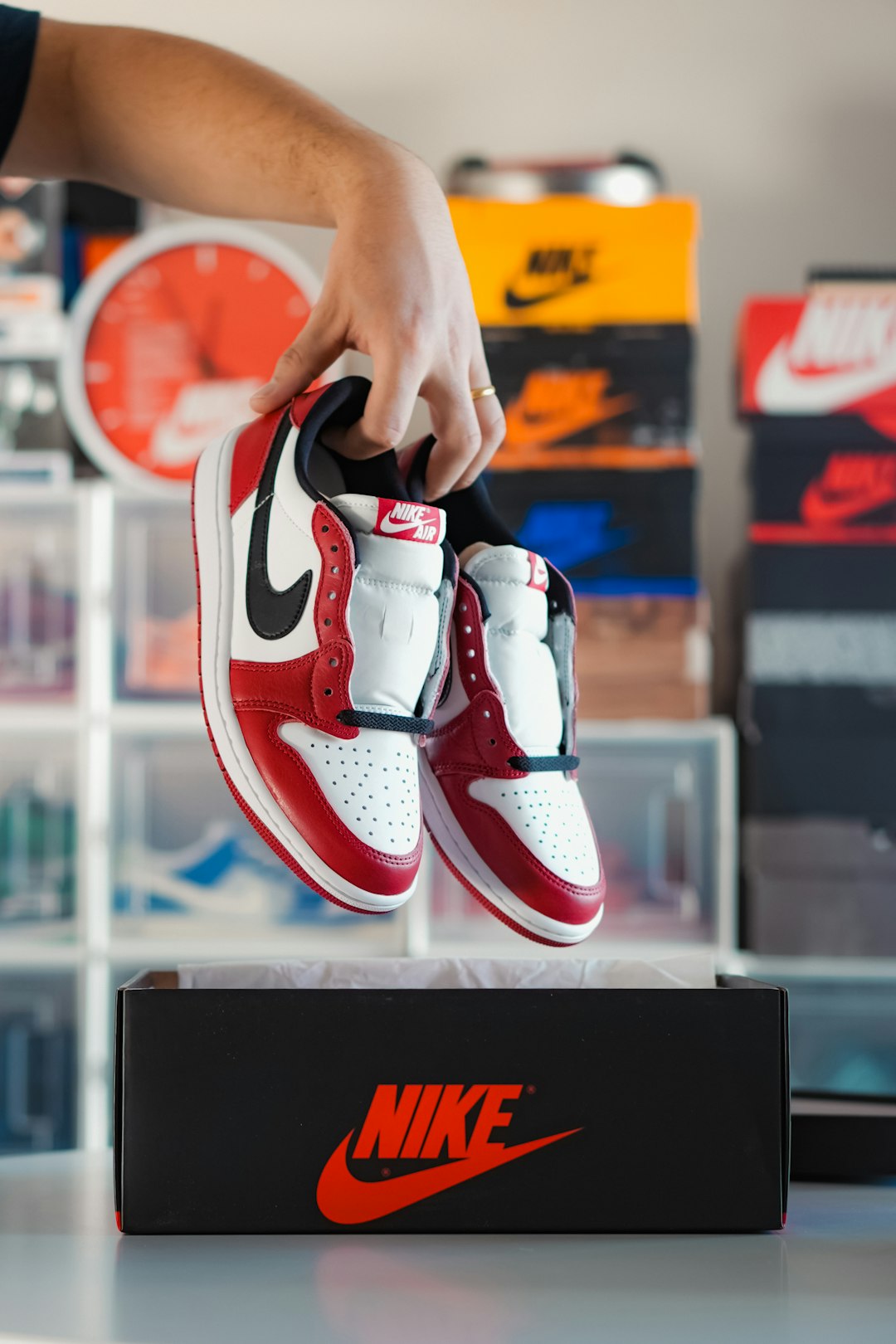
1. Physical Inspection by Specialists
Once a seller ships a pair of sneakers to GOAT, the box is opened and inspected by trained authenticators. These individuals are educated in brand‑specific manufacturing standards and common counterfeit flaws.
They typically examine:
- Stitching consistency: Authentic pairs follow precise stitching patterns.
- Material quality: Leather, suede, mesh, and rubber components are assessed.
- Shape and silhouette: Counterfeits often have subtle shape inaccuracies.
- Logos and branding: Font spacing, embossing, and alignment are checked.
- Color accuracy: Even minor shade differences can indicate a fake.
2. Label and Packaging Verification
The shoebox and label are not overlooked. Authenticators compare box labels, SKU numbers, and production codes against internal databases. Discrepancies in typography, spacing, or UPC formatting can trigger rejection.
3. Database and Marketplace Cross‑Checks
GOAT has access to extensive historical data from years of transactions. Authenticators use this information to compare suspicious pairs with known authentic examples.
In some cases, they may also check manufacturing date ranges and region‑specific release details, ensuring that the pair aligns with legitimate production runs.
4. Condition and Description Review
Beyond authenticity, GOAT reviews whether the item matches the seller’s listing description. For example, if a pair was listed as “new” but shows signs of wear, it may be rejected or relabeled appropriately.
What Happens If a Pair Fails Authentication?
If sneakers do not pass inspection, they are not shipped to the buyer. Instead, GOAT will typically:
- Reject the item
- Notify the seller
- Offer the buyer a refund or replacement option
This safeguard is central to GOAT’s claim of authenticity. Sellers who repeatedly attempt to send counterfeit goods may face penalties, suspension, or removal from the platform.
Does GOAT Ever Make Mistakes?
No authentication system in the world is entirely immune to error. Counterfeit manufacturers constantly improve their methods. High‑quality “super fakes” have become increasingly sophisticated, making authentication a continuous arms race.

There have been isolated reports online from buyers claiming they received fake sneakers. However, isolated claims do not necessarily indicate systemic failure. Large marketplaces processing millions of transactions annually may face occasional disputes.
The important question is not whether mistakes are theoretically possible—but whether the platform has systems to minimize and address them. In GOAT’s case, the structured inspection process, trained teams, and centralized authentication centers are designed specifically to mitigate these risks.
The Difference Between GOAT Storage and Direct Shipping
GOAT offers different fulfillment models. In some cases, shoes are marked as “GOAT Clean” or stored in GOAT facilities. These pairs have already been authenticated and are pre‑verified.
Other listings may involve standard seller‑to‑GOAT authentication before final shipment. Understanding this distinction helps buyers know that:
- Stored inventory has already passed inspection.
- Marketplace inventory must pass authentication before shipping.
This layered model reduces the chance of counterfeits slipping through.
How GOAT Compares to Other Marketplaces
In the broader resale industry, authentication practices vary. Some platforms rely heavily on digital verification or seller ratings. Others use third‑party verification services.
GOAT’s emphasis on centralized, in‑house authentication is considered a strong industry standard. By physically routing products through their facilities, they maintain direct control over inspections rather than leaving verification solely to sellers.
Image not found in postmetaThis centralized approach adds time to shipping but strengthens buyer confidence.
Signs That a Platform Takes Authenticity Seriously
When assessing whether a marketplace sells fake shoes, consider these indicators:
- Transparent authentication steps
- Clear rejection policies for sellers
- Refund protections for buyers
- Professional inspection teams
- Physical verification rather than digital-only checks
GOAT publicly outlines its authentication commitments and integrates inspection into every standard transaction. This transparency strengthens trust.
Why Some Buyers Still Worry
Despite the authentication process, some customers remain cautious. Their concerns often stem from:
- The high resale prices of limited releases
- Stories about sophisticated counterfeit factories
- Past negative experiences on other marketplaces
It’s important to distinguish between general market anxiety and documented systemic issues. The sneaker resale market naturally carries perceived risk because of the counterfeit industry’s scale. However, GOAT’s business model depends on minimizing that risk—if consumers lose trust, the entire platform would suffer.
Practical Advice for Buyers
If you are purchasing from GOAT and want added peace of mind, consider these steps:
- Carefully review product photos and descriptions before buying.
- Understand whether the pair is pre‑verified or requires authentication.
- Keep documentation and packaging upon receipt.
- Contact customer support immediately if you have concerns.
Acting quickly in the rare event of an issue ensures your case can be reviewed efficiently.
Final Verdict: Does GOAT Sell Fake Shoes?
Based on its operational model and authentication procedures, GOAT does not intentionally sell fake shoes. Its entire marketplace infrastructure is built around verifying authenticity before items reach buyers. The use of trained specialists, centralized inspection facilities, database comparisons, and rejection protocols makes counterfeit passage significantly less likely than on peer‑to‑peer platforms without physical authentication.
While no system can promise zero errors in a rapidly evolving counterfeit landscape, GOAT’s structured, layered approach reflects a serious commitment to product integrity. For most buyers, this makes GOAT one of the more trustworthy options in the sneaker resale market.
In a space where authenticity determines value, platforms that invest in rigorous verification processes stand out. GOAT’s continued growth suggests that millions of buyers trust its system—and in the high‑stakes world of collectible sneakers, trust is everything.


