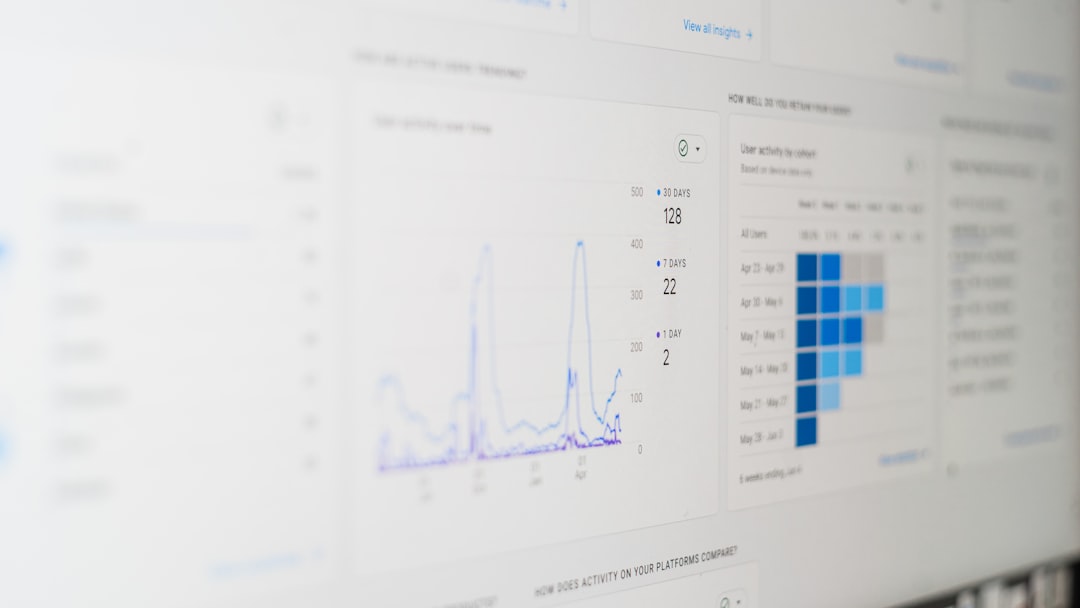
Managing clinical trials involves coordinating vast amounts of data, documentation, regulatory requirements, and cross-functional teams. As trials grow more complex and global, organizations increasingly rely on specialized clinical trial management applications to stay organized and compliant. Platforms like Veeva Vault have set a high standard by offering centralized systems that streamline study documentation, enhance collaboration, and maintain strict regulatory controls.
TLDR: Clinical trial management apps such as Veeva Vault help research teams centralize study data, streamline documentation workflows, and maintain regulatory compliance. These platforms improve collaboration across sponsors, CROs, and research sites while reducing errors and manual processes. Key features often include document management, eTMF, CTMS, reporting dashboards, and validation tools. Choosing the right solution depends on study scale, regulatory requirements, and integration needs.
Modern clinical trials generate millions of data points—from patient records to regulatory submissions. Without a centralized system, teams can quickly become overwhelmed by fragmented systems, email chains, and outdated spreadsheets. Clinical trial management software (CTMS) and related document platforms create a structured digital environment that ensures every piece of trial information is organized, secure, and audit-ready.
Why Clinical Trial Management Apps Matter
Clinical research operates in one of the most regulated industries in the world. Regulatory bodies such as the FDA and EMA require meticulous documentation and traceable workflows. Errors or missing documentation can result in costly delays, failed inspections, or even trial termination.
Clinical trial management apps help mitigate these risks by:
- Centralizing study documentation in a secure, validated system
- Automating workflows for document reviews and approvals
- Tracking milestones and enrollment progress in real time
- Maintaining audit trails for compliance and transparency
- Improving cross-team collaboration across regions and partners
These systems act as the digital backbone of trial operations, bringing together sponsors, CROs, clinical sites, and regulatory teams in a unified platform.
Core Features of Platforms Like Veeva Vault
Veeva Vault is widely recognized for its comprehensive approach to clinical content and data management. Other platforms aim to provide similar functionality, though feature sets may vary.
Key functionality often includes:
1. Electronic Trial Master File (eTMF)
The eTMF replaces traditional paper-based documentation with a structured digital repository. It organizes essential documents such as protocols, investigator brochures, monitoring visit reports, and regulatory submissions.
Benefits of eTMF systems include:
- Automated document classification
- Version control and review tracking
- Inspection readiness dashboards
- Real-time completeness checks

2. Clinical Trial Management System (CTMS)
A CTMS module focuses on operational oversight. It tracks site performance, patient enrollment, visits, budgets, and timelines. This allows sponsors to make data-driven decisions during the course of a study.
Advanced CTMS tools may include:
- Enrollment forecasting
- Site monitoring reports
- Financial management tools
- Integration with EDC systems
3. Regulatory Document Management
Regulatory documentation must be complete, consistent, and up to date. Clinical apps offer automated workflows that route documents through review and approval cycles while capturing electronic signatures and maintaining compliance with 21 CFR Part 11.
4. Data Integration and Reporting
Modern platforms integrate with:
- Electronic Data Capture (EDC) systems
- Safety databases
- Lab information systems
- Financial software
Real-time dashboards present aggregated insights, helping leadership teams monitor trial health and identify risks early.
Popular Clinical Trial Management Apps
While Veeva Vault is a leading solution, several other platforms support similar operational and compliance needs. Below is a comparison of widely used systems.
| Platform | Key Strengths | Best For | Scalability |
|---|---|---|---|
| Veeva Vault | Integrated eTMF and CTMS, strong compliance framework, global adoption | Large pharma and global CROs | Very High |
| Medidata CTMS | Strong analytics, EDC integration, data visualization | Data-centric organizations | High |
| Oracle Clinical One | Unified platform approach, randomization and supply management | Complex multinational trials | Very High |
| MasterControl Clinical | Quality management integration, document control focus | Mid-sized sponsors | Moderate to High |
| Florence eBinders | User-friendly site-level eRegulatory tools | Research sites and smaller studies | Moderate |
Each platform varies in terms of cost, implementation complexity, and feature depth. Organizations often conduct detailed vendor assessments before selecting a system that aligns with their operational model.
How These Apps Improve Study Data Organization
Clinical trial management apps are designed to eliminate silos and ensure structured data governance. Instead of storing documents in various email threads or local storage systems, all trial materials are stored in validated cloud-based repositories.

Structured Metadata Tagging
Metadata frameworks allow documents to be categorized by study, site, country, and document type. This ensures fast retrieval and consistent naming conventions.
Automated Quality Checks
Systems flag missing documentation or overdue tasks, reducing reliance on manual checklists.
Real-Time Visibility
Dashboards display metrics such as:
- Site activation status
- Monitoring visit frequency
- Adverse event reporting timelines
- Document completeness rates
This level of visibility helps project managers proactively resolve bottlenecks.
Regulatory Compliance and Audit Readiness
Regulatory inspections can occur at any stage of a clinical trial. Platforms like Veeva Vault maintain detailed audit trails that track:
- Document creation and edits
- User access logs
- Approval timestamps
- Electronic signatures
By maintaining a continuous inspection-ready state, organizations avoid the stress and inefficiency of reactive document gathering.
Image not found in postmetaAdditionally, validated systems ensure adherence to global compliance standards such as:
- 21 CFR Part 11
- ICH GCP guidelines
- GDPR for data privacy
- ISO quality standards
Collaboration Across Global Teams
Many trials span multiple countries, languages, and time zones. Clinical trial management apps support distributed collaboration through:
- Role-based access controls
- Secure document sharing
- Centralized communication threads
- Task assignment workflows
Stakeholders, including sponsors, CROs, and site staff, can work within the same system while maintaining appropriate data access restrictions.
Implementation Considerations
Adopting a clinical trial management app requires careful planning. Organizations must evaluate:
- Budget and licensing models
- Validation and IT support needs
- Data migration strategies
- User training requirements
- System integration capabilities
Implementation timelines may range from a few months to over a year, depending on system complexity and customization. Many vendors provide onboarding specialists and regulatory validation documentation to ease deployment.
The Future of Clinical Trial Data Management
The industry continues to evolve toward decentralized and hybrid trial models. Wearable devices, ePRO tools, and remote monitoring generate additional data streams that must integrate seamlessly with central trial systems.
Emerging trends include:
- AI-driven document classification
- Predictive enrollment analytics
- Risk-based monitoring automation
- Blockchain-enhanced audit trails
As technology advances, platforms like Veeva Vault and its competitors are expanding their ecosystems to accommodate real-time, patient-centric data collection.
Conclusion
Clinical trial management apps such as Veeva Vault play a critical role in organizing study data, ensuring regulatory compliance, and enabling efficient collaboration. By centralizing documentation, automating workflows, and offering real-time visibility into study operations, these platforms reduce operational risk and accelerate trial timelines. As clinical research grows more complex, robust digital infrastructure is no longer optional—it is essential for delivering safe and effective therapies to market.
Frequently Asked Questions (FAQ)
-
1. What is a clinical trial management system (CTMS)?
A CTMS is software designed to manage the operational aspects of clinical trials, including site tracking, enrollment, financial oversight, and milestone management. -
2. How is Veeva Vault different from a traditional document management system?
Veeva Vault is specifically built for life sciences and includes validated compliance workflows, eTMF capabilities, audit trails, and regulatory-ready features that generic document systems lack. -
3. Are these platforms suitable for small research organizations?
Some solutions are designed for enterprise-level sponsors, but other tools offer scalable options suitable for smaller CROs and research sites. -
4. Do clinical trial management apps support remote and decentralized trials?
Yes. Many platforms integrate with electronic data capture systems, telemedicine platforms, and wearable devices to support decentralized data collection. -
5. How long does implementation typically take?
Implementation timelines vary based on system complexity and organizational readiness but generally range from several months to over a year for large enterprise deployments. -
6. Are these systems compliant with regulatory standards?
Reputable vendors design their platforms to meet standards such as 21 CFR Part 11, ICH GCP, and GDPR, and provide validation documentation to support compliance.


