Managing an ecommerce business involves far more than listing products and processing payments. Behind every successful online store is a carefully coordinated system for tracking inventory, managing orders, and ensuring fast, reliable fulfillment. As competition intensifies and customer expectations rise, merchants need tools that streamline operations, reduce manual errors, and scale effortlessly with growth. The right ecommerce tools can transform logistical chaos into a smooth, automated engine that fuels profitability.
TLDR: Modern ecommerce success depends on powerful tools for inventory management, order processing, and fulfillment. The best platforms automate stock tracking, sync multi-channel sales, and integrate with shipping carriers and warehouses. Solutions like Shopify, ShipStation, NetSuite, and ShipBob help businesses minimize errors and scale efficiently. Choosing the right tools depends on your business size, sales volume, and growth plans.
Why Inventory, Orders & Fulfillment Matter
Ecommerce logistics can make or break your brand. A single oversold product, delayed shipment, or inventory mismatch can damage customer trust. Today’s consumers expect:
- Real-time stock availability
- Fast and affordable shipping
- Accurate order tracking
- Hassle-free returns
To meet these expectations, businesses rely on specialized tools that automate processes, synchronize sales channels, and provide data-driven insights.
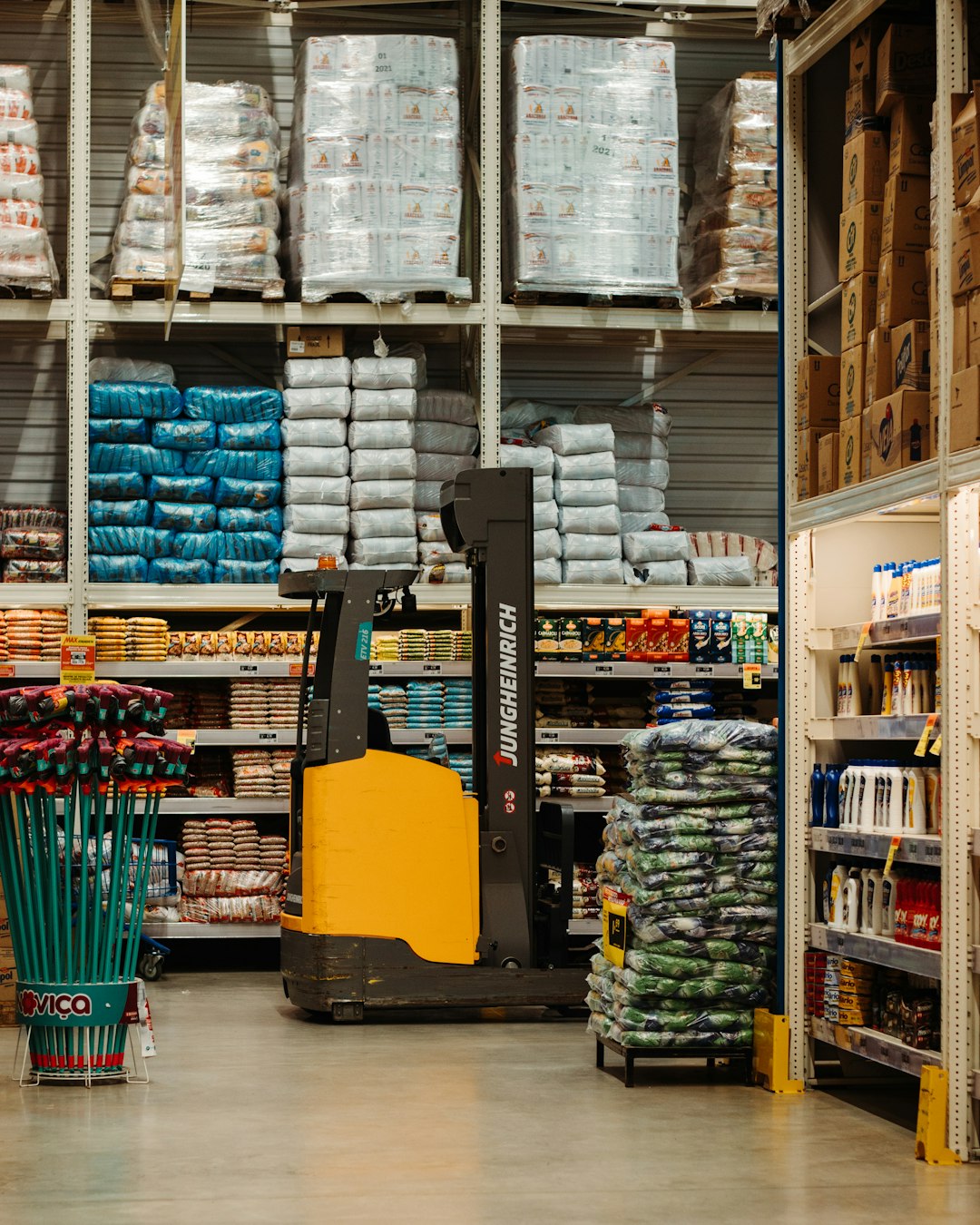
Top Inventory Management Tools
Inventory management software ensures that you always know what’s in stock, what’s running low, and what needs replenishment. Below are some leading tools trusted by ecommerce businesses worldwide.
1. TradeGecko (QuickBooks Commerce)
Best for growing small to mid-sized brands
- Centralized inventory control across multiple channels
- Demand forecasting and reporting
- Integration with Shopify, Amazon, WooCommerce
- Automated purchase order management
This tool is ideal for businesses expanding into multichannel selling. It ensures accurate stock synchronization, reducing the risk of overselling.
2. NetSuite ERP
Best for large-scale enterprises
- Advanced inventory and warehouse management
- Real-time enterprise resource planning
- Multi-location tracking
- Integrated financial management
NetSuite goes beyond inventory control—it provides full operational oversight. Though powerful, it’s typically better suited for larger operations with complex supply chains.
3. Cin7
Best for businesses selling both online and offline
- B2B and B2C inventory management
- Point-of-sale integration
- EDI automation
- Built-in warehouse management system
Cin7 bridges online stores, marketplaces, and brick-and-mortar systems into one comprehensive dashboard.
Top Order Management Systems (OMS)
An Order Management System acts as the command center for processing purchases. It ensures that orders are captured, routed, tracked, and completed efficiently.
1. Shopify Order Management
Best all-in-one platform for small to mid-sized stores
Shopify’s built-in order management system integrates seamlessly with its ecommerce ecosystem. Features include:
- Centralized order dashboard
- Automated tax calculation
- Fraud analysis tools
- Integrated shipping label purchase
For entrepreneurs seeking simplicity, Shopify provides everything in one intuitive interface.
2. Brightpearl
Best for retail-focused ecommerce brands
- Automated order routing
- Real-time inventory updates
- Accounting integration
- Retail and wholesale support
Brightpearl excels in automation, helping retailers reduce manual intervention and errors.
3. Skubana (Extensiv Order Manager)
Best for high-volume sellers
This system helps brands selling across Amazon, Walmart, and direct-to-consumer channels manage demand forecasting and inventory planning from one dashboard.
Benefits include:
- Advanced analytics
- Purchase order automation
- Multichannel synchronization
- Operational performance tracking

Top Fulfillment & Shipping Tools
Fulfillment determines how quickly and accurately products reach customers. Modern tools automate label creation, carrier comparisons, and warehouse coordination.
1. ShipStation
Best for streamlined shipping automation
- Bulk label printing
- Carrier rate comparison
- Automated shipping workflows
- Branded tracking pages
ShipStation integrates with over 100 marketplaces and carriers, making it a versatile choice for fast-growing ecommerce brands.
2. ShipBob
Best third-party logistics (3PL) provider
ShipBob combines fulfillment services with powerful software. It offers:
- Distributed warehouse network
- Two-day shipping options
- Inventory analytics
- Returns management
By outsourcing fulfillment to ShipBob, businesses can focus on marketing and product development instead of warehouse operations.
3. EasyPost
Best API-driven shipping solution
For brands that require custom shipping solutions, EasyPost provides a powerful API integrating multiple carriers in one system.
This tool is particularly useful for startups building proprietary ecommerce platforms.

Warehouse Management Systems (WMS)
When sales volume increases, managing warehouse workflows becomes more complex. Warehouse Management Systems optimize picking, packing, and restocking operations.
Top WMS Tools Include:
- Fishbowl Warehouse – Strong QuickBooks integration
- SkuVault – Barcode scanning and cycle counts
- Logiwa – Designed for ecommerce and 3PL providers
These tools help reduce human error, speed up fulfillment times, and improve warehouse efficiency through automation and smart routing.
Key Features to Look For
Not all ecommerce tools are created equal. When selecting software for inventory, orders, and fulfillment, look for the following:
- Real-Time Syncing: Automatic updates across platforms
- Multichannel Support: Integration with marketplaces and social commerce
- Automation: Rules-based order routing and restocking alerts
- Scalability: Handles increasing order volumes
- Reporting & Analytics: Actionable performance insights
- Returns Management: Efficient reverse logistics workflows
Choosing a scalable solution early prevents painful migrations later.
Best All-in-One Ecommerce Platforms
If managing multiple standalone tools feels overwhelming, integrated ecommerce platforms offer built-in solutions.
BigCommerce
- Enterprise-grade scalability
- Robust API access
- Advanced shipping integrations
Wix Ecommerce
- User-friendly dashboard
- Inventory tracking tools
- Affordable pricing for small businesses
WooCommerce
- Highly customizable
- Large plugin ecosystem
- Ideal for WordPress users
Each platform provides varying levels of inventory and fulfillment capabilities, often extendable through third-party apps.
Automation & AI in Ecommerce Operations
Artificial intelligence is transforming ecommerce logistics. Modern tools now offer:
- Predictive demand forecasting
- Automated restocking recommendations
- Smart warehouse routing
- Customer delivery time predictions
By leveraging AI-driven analytics, businesses can optimize inventory turnover and avoid both stockouts and overstock situations.
How to Choose the Right Tools
The best solution depends largely on your business stage:
- Startup: Use an all-in-one platform like Shopify or Wix.
- Scaling Brand: Add ShipStation and a dedicated inventory system.
- Enterprise: Invest in NetSuite or Brightpearl with 3PL support.
Additionally, consider:
- Your monthly order volume
- Number of sales channels
- International shipping needs
- Warehousing complexity
- Budget constraints
Trial periods and demos can help determine whether a system fits your workflow.
The Future of Ecommerce Operations
Ecommerce fulfillment is moving toward greater decentralization and speed. Distributed warehouses, same-day delivery, drone logistics, and automation-driven micro-fulfillment centers are shaping the future.
Sustainability is also becoming a crucial factor. Tools now offer carbon-conscious shipping options and eco-friendly packaging insights. Brands that prioritize efficiency and sustainability simultaneously will stand out in the coming years.
Final Thoughts
Ecommerce success doesn’t happen by accident—it’s powered by intelligent systems working behind the scenes. Inventory management tools protect stock accuracy. Order management systems create seamless customer experiences. Fulfillment platforms ensure timely deliveries that strengthen brand loyalty.
Whether you’re a startup launching your first product or an established enterprise managing thousands of SKUs, investing in the right ecommerce tools can dramatically improve operational efficiency and profitability. By carefully evaluating your needs and selecting scalable solutions, you build not just a store—but a resilient, high-performance ecommerce operation ready for sustained growth.


