Modern vehicles generate an extraordinary amount of data every second. From fuel trim and ignition timing to boost pressure and exhaust gas temperatures, today’s engines are essentially rolling networks of sensors. Car tuning software that tracks engine stats in real time allows drivers, tuners, and performance enthusiasts to harness this data for better performance, improved reliability, and informed diagnostics.
TLDR: Real-time car tuning software connects to your vehicle’s ECU and displays live engine data such as RPM, air-fuel ratio, boost, and temperature readings. It helps optimize performance, detect issues early, and refine custom tunes safely. The best solutions combine detailed dashboards, data logging, and compatibility with popular OBD2 interfaces. Choosing the right platform depends on your technical skill level, vehicle type, and tuning goals.
As vehicles have become more electronically controlled, tuning has shifted from mechanical adjustments to software-driven calibration. Rather than turning screws or swapping jets, tuning now involves adjusting parameters through digital interfaces. The right software does more than simply modify maps—it provides continuous visibility into engine behavior, empowering smarter and safer performance upgrades.
What Is Real-Time Engine Monitoring?
Real-time engine monitoring refers to the continuous reading and display of vehicle sensor data while the engine is running. This information is typically accessed through the vehicle’s Engine Control Unit (ECU) via an OBD2 port or a proprietary interface.
Key engine parameters commonly displayed include:
- RPM (Revolutions Per Minute)
- Throttle position
- Air-fuel ratio (AFR)
- Short and long-term fuel trims
- Boost pressure (for turbocharged engines)
- Mass airflow (MAF) readings
- Ignition timing advance
- Coolant and oil temperatures
- Knock sensor activity
When combined, these metrics offer a detailed snapshot of engine health and performance. Live dashboards allow drivers to see changes instantly during acceleration, cruising, or stress conditions such as towing or track sessions.
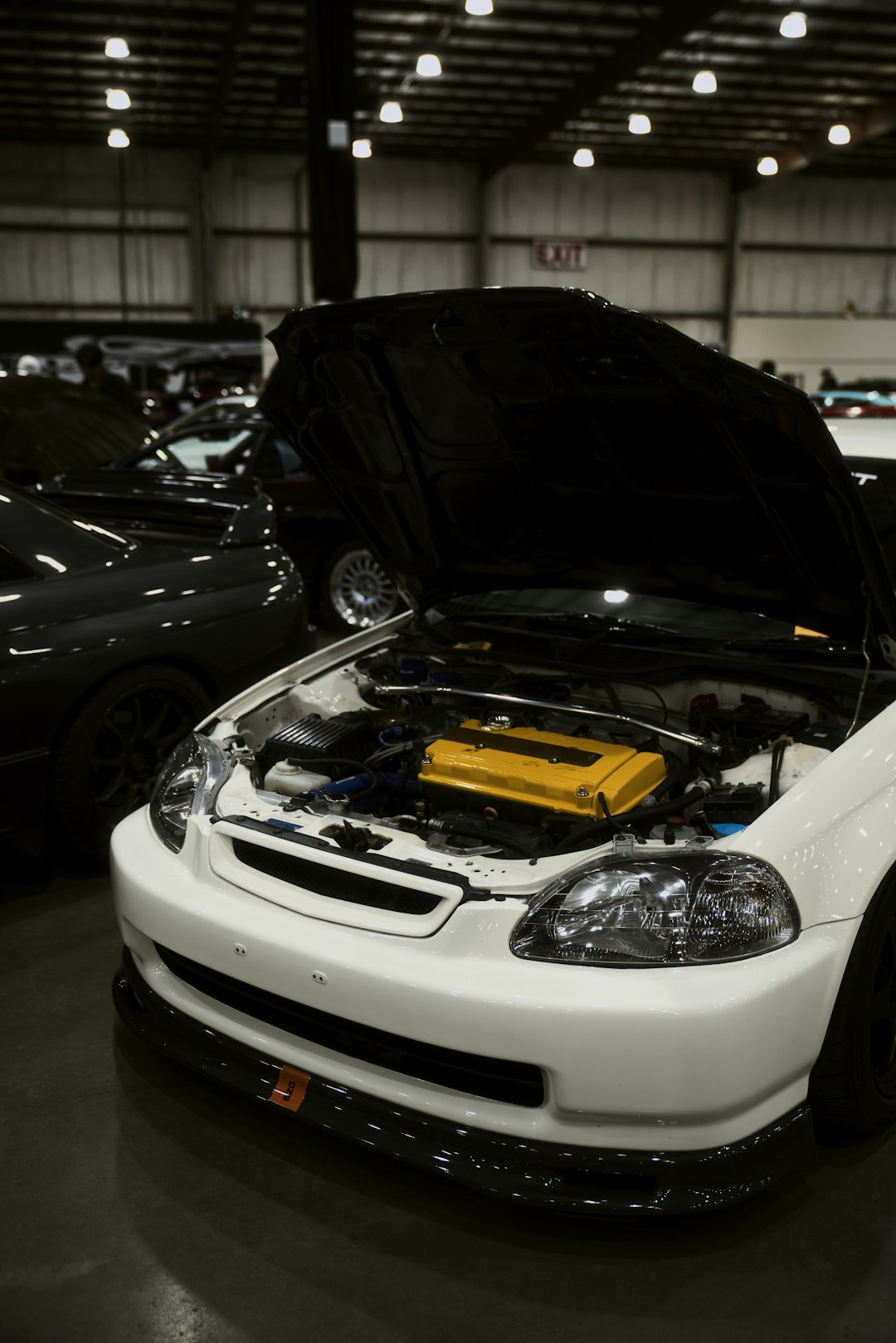
Why Real-Time Tracking Matters in Tuning
Tuning without live data is essentially working blind. Adjusting ignition timing or altering fueling maps without monitoring knock activity or AFR can lead to severe engine damage. Real-time tracking reduces risk and increases precision.
1. Immediate Feedback
Every parameter change can be verified instantly. If a modification improves throttle response but increases knock counts, the tuner can quickly revise the calibration.
2. Engine Protection
High-performance engines operate closer to mechanical limits. Monitoring temperature, boost levels, and detonation in real time protects against catastrophic failure.
3. Performance Optimization
Data-driven decisions yield measurable gains. Rather than relying on subjective “seat of the pants” impressions, tuners can pinpoint horsepower improvements through log comparisons.
4. Diagnostic Efficiency
Live readings can reveal vacuum leaks, failing sensors, or improper fuel delivery long before a check engine light appears.
Core Features to Look For in Car Tuning Software
Not all tuning platforms offer the same capabilities. Reliable solutions share several core features that ensure professional-grade monitoring and safe adjustments.
1. Customizable Dashboards
Users should be able to build layouts that prioritize the metrics most relevant to their vehicle and driving style. For example, turbocharged setups may emphasize boost and AFR gauges, while naturally aspirated builds might prioritize throttle mapping and ignition timing.
2. High-Speed Data Logging
Sampling rate matters. Higher logging frequencies capture brief knock events or transient fueling spikes that slower systems may miss. Logs should be exportable for detailed analysis.
3. ECU Compatibility
Always confirm compatibility with your vehicle’s make, model, and ECU type. Some software platforms specialize in specific brands, while others support universal OBD2 protocols.
4. Map Editing Capabilities
Advanced platforms allow direct modification of fuel, ignition, and boost tables. Entry-level systems may restrict users to monitoring only.
5. Safety Protocols
Reputable software includes safeguards, such as automatic revert-to-stock options, checksum validation, and secure flashing protocols.
Popular Car Tuning Software Platforms
Below are several respected tools used for real-time monitoring and tuning across different vehicle types.
1. HP Tuners
- Comprehensive scanning and logging
- Wide OEM vehicle support
- Advanced map editing tools
- Professional-grade diagnostics
2. COBB Accessport
- Handheld device with live gauge display
- Preloaded maps for supported vehicles
- Beginner-friendly interface
- Strong enthusiast community support
3. EcuTek
- Dealer-level tuning capabilities
- Real-time parameter adjustment
- Mobile app integration
- Advanced race-oriented features
4. Hondata
- Popular for Honda and Acura platforms
- Live tuning and high-resolution logging
- Boost control and launch control configuration
5. Open Source Solutions (e.g., TunerPro)
- Cost-effective
- Highly customizable
- Requires deeper technical knowledge
Comparison Chart
| Software | Real-Time Monitoring | Map Editing | Beginner Friendly | Vehicle Coverage |
|---|---|---|---|---|
| HP Tuners | Yes (High detail) | Advanced | Moderate | Extensive OEM support |
| COBB Accessport | Yes (Integrated gauges) | Preconfigured and custom | High | Brand specific |
| EcuTek | Yes (Professional level) | Advanced | Moderate | Performance focused brands |
| Hondata | Yes | Advanced | Moderate | Honda Acura focus |
| TunerPro | Yes (Hardware dependent) | Fully customizable | Low | Varies by definition file |
Hardware Requirements for Real-Time Monitoring
Software alone is not enough. Users need compatible hardware to bridge communication between the ECU and their device.
- OBD2 Interface Cable or Bluetooth Adapter
- Laptop, tablet, or dedicated handheld device
- Stable power supply during flashing
- Wideband O2 sensor (recommended for accurate AFR)
For serious tuning applications, a chassis dynamometer is highly recommended. While street logging provides useful insights, dyno environments allow controlled load testing and consistent measurements.
Risks and Best Practices
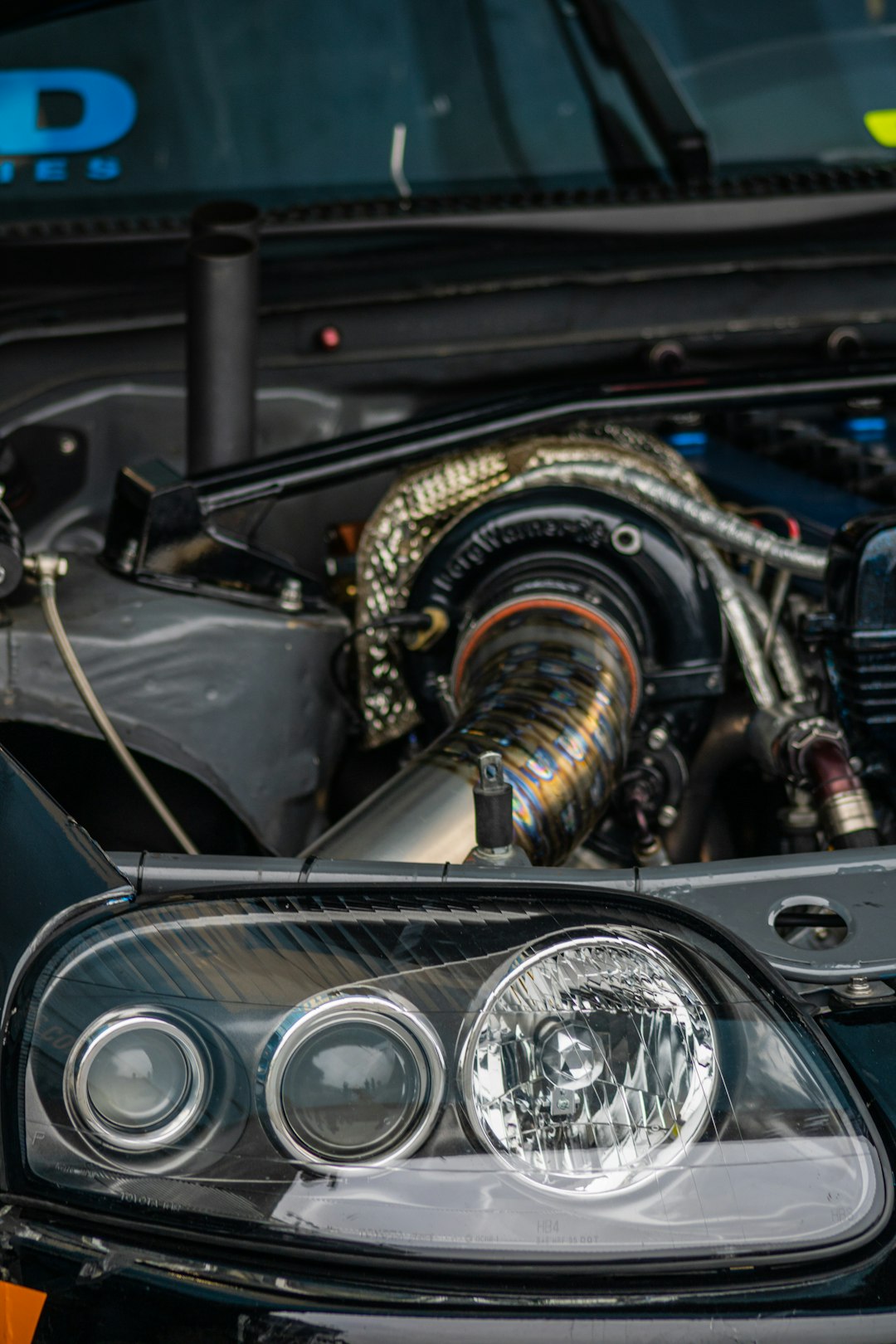
Real-time tuning software is powerful but must be used responsibly. Improper calibration can result in engine knock, overheating, or mechanical stress.
Best Practices:
- Always back up the factory tune before making changes.
- Make incremental adjustments rather than aggressive sweeps.
- Monitor knock readings closely after altering ignition timing.
- Ensure air-fuel ratios remain within safe parameters under load.
- Consult a professional tuner if uncertain.
Serious enthusiasts often work collaboratively with remote tuners, sharing data logs for review. This approach combines hands-on monitoring with expert analysis.
The Future of Real-Time Tuning Technology
The evolution of connected vehicles and cloud-based analytics is reshaping tuning methodologies. Emerging trends include:
- Remote live tuning sessions via internet-connected interfaces
- AI-assisted calibration suggestions
- Expanded mobile app integration
- Enhanced data visualization dashboards
These developments promise faster optimization cycles and more accessible performance customization, while maintaining engine safety standards.
Conclusion
Car tuning software that tracks engine stats in real time has transformed modern performance engineering. It bridges the gap between mechanical hardware and digital precision, offering unparalleled visibility into engine behavior. Whether used for mild daily driver optimization or competitive motorsport calibration, real-time monitoring delivers measurable advantages in performance, safety, and reliability.
Choosing the right platform requires careful consideration of vehicle compatibility, experience level, and desired outcomes. When paired with disciplined tuning practices and quality hardware, these tools become indispensable assets for anyone serious about automotive performance.
Real-time data is no longer a luxury in tuning—it is a necessity.


