A yellow screen on a MacBook Pro can be alarming. Whether the display has a subtle warm tint or an intense yellow overlay that makes everything look aged and distorted, it immediately impacts usability. For professionals who rely on accurate color representation—such as designers, video editors, and photographers—a display issue like this can feel catastrophic. The good news is that a yellow screen isn’t always a sign of serious hardware damage. In many cases, it’s caused by simple settings or software-related issues that are easily resolved.
TLDR: A yellow screen on a MacBook Pro is often caused by display settings like Night Shift, True Tone, or color calibration profiles rather than hardware failure. Checking and adjusting these settings should be your first step. If the issue persists, it may stem from software glitches, display profiles, or rarely, a failing screen or internal cable. Most yellow tint problems can be fixed quickly without costly repairs.
Understanding the Yellow Screen Issue
When users describe a “yellow screen,” they typically mean one of the following:
- A warm yellow tint across the entire display
- A sudden shift in color balance
- Yellowish patches or uneven discoloration
- A persistent yellow tone even after restarting
Each of these symptoms can stem from different causes. Before assuming hardware failure, it is essential to investigate basic settings and recent software changes.
Common Causes of a Yellow Screen on MacBook Pro
1. Night Shift Mode Is Enabled
Night Shift is designed to reduce blue light and make the display easier on your eyes in low-light conditions. While beneficial at night, it can make colors appear significantly warmer—sometimes even yellow.
How to Check:
- Go to System Settings
- Click Displays
- Select Night Shift
- Turn it off or adjust the color temperature slider
If the yellow tint disappears immediately, Night Shift was the culprit.
2. True Tone Technology
True Tone adjusts your screen’s color and intensity based on ambient lighting conditions. If you are in a warmly lit room, your display may appear more yellow.
Solution:
- Open System Settings
- Select Displays
- Toggle off True Tone
Disabling True Tone will show you whether environmental adjustments are creating the color shift.
3. Incorrect Color Profile
MacBook Pros use color profiles for accurate display calibration. If the wrong profile is selected, your screen may develop a yellow cast.
To fix this:
- Navigate to System Settings > Displays
- Click Color Profile
- Select the default profile (typically labeled as your MacBook model)
You can also run the display calibration assistant to customize settings. Sometimes third-party software or external monitors alter these profiles unexpectedly.
4. Accessibility Display Settings
Certain accessibility settings modify screen color. For example, color filters or reduced white point adjustments can impact how your screen appears.
Check by doing the following:
- Open System Settings
- Go to Accessibility
- Select Display
- Make sure color filters are turned off
Turning off any enabled filters may restore normal color balance.
5. Software Glitches After macOS Updates
Occasionally, a macOS update can introduce minor display bugs. If the yellow tint appeared immediately after an update, it may not be a coincidence.
Troubleshooting steps:
- Restart your MacBook
- Reset NVRAM/PRAM (for Intel Macs)
- Boot into Safe Mode
Safe Mode loads only essential system components. If the yellow tint disappears in Safe Mode, a third-party application may be interfering with display settings.
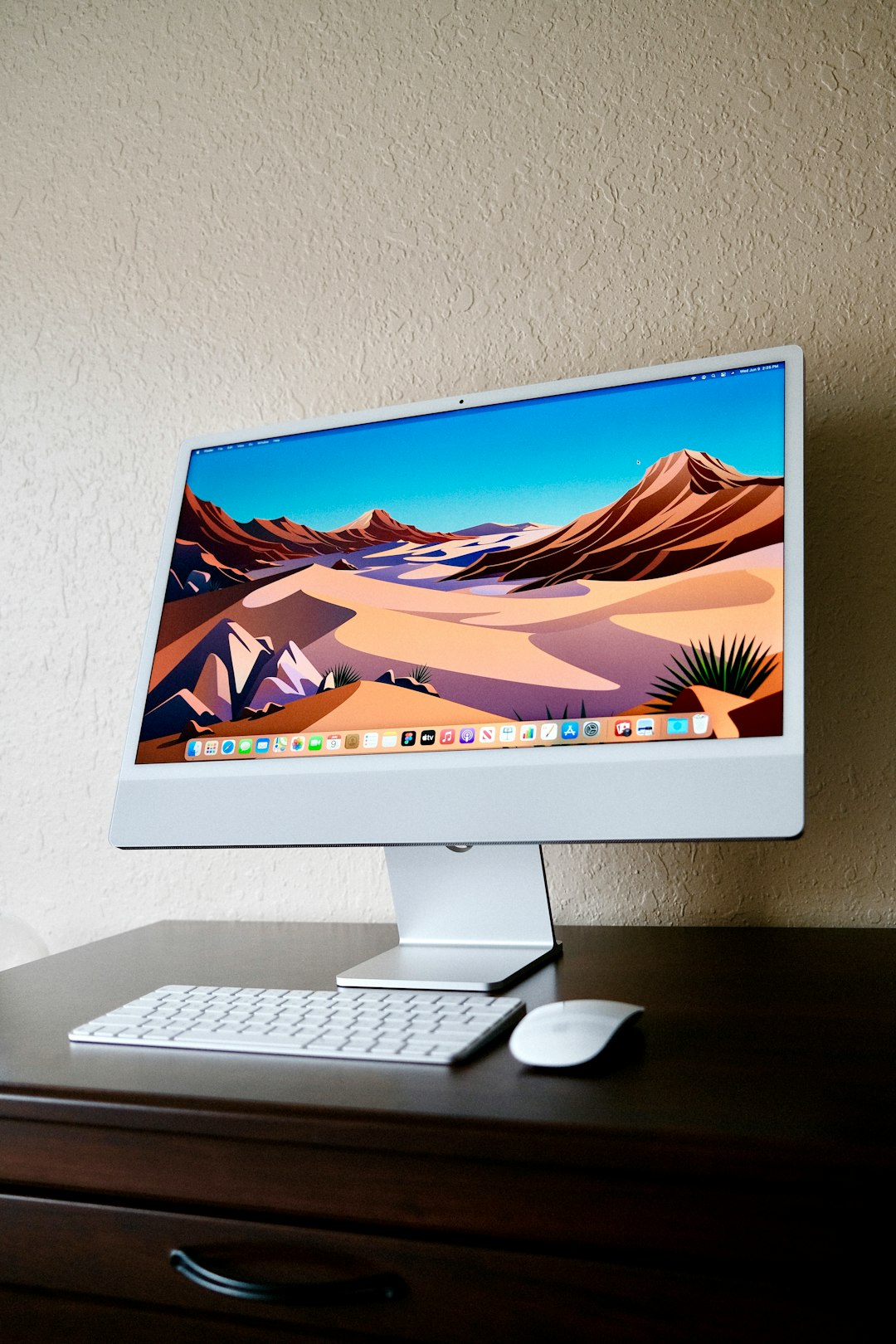
6. External Monitor Interference
Sometimes a connected external monitor can alter the display profile of your MacBook Pro, especially if calibration software is installed.
Try this:
- Disconnect all external displays
- Restart your MacBook
- Check if the yellow tint persists
If the issue resolves, recalibrate the external monitor or update its drivers.
7. Hardware Issues
If settings adjustments fail, the yellow screen may be hardware-related. Common hardware causes include:
- Display panel degradation
- Loose display cable
- Graphics processing unit issues
- Liquid damage
Hardware problems are less common but should be considered if the discoloration is uneven, flickers, or worsens over time.
How to Fix a Yellow Screen on MacBook Pro
Step 1: Perform Basic Settings Checks
Start with Night Shift and True Tone. These two features account for the vast majority of yellow tint cases.
Step 2: Reset NVRAM (Intel Macs)
NVRAM stores display-related settings. Resetting it can resolve unexpected display behavior.
To reset:
- Shut down your Mac
- Turn it on and immediately press Option + Command + P + R
- Hold for about 20 seconds
- Release and allow the Mac to restart
Apple Silicon Macs reset NVRAM automatically when restarting, so this step is not necessary on newer models.
Step 3: Reinstall macOS
If software corruption is suspected, backing up your files and reinstalling macOS can eliminate deeper system issues.
Step 4: Run Apple Diagnostics
Apple Diagnostics can detect hardware failures.
To run diagnostics:
- Shut down your Mac
- Turn it on while holding the power button (Apple Silicon) until startup options appear
- Select Diagnostics
If any hardware error codes appear, professional repair may be required.
Preventing Future Display Problems
While some causes are unavoidable, you can reduce the risk of display issues by:
- Keeping macOS updated
- Avoiding unofficial calibration software
- Preventing liquid exposure
- Using surge protectors
- Transporting your MacBook in protective cases
Regularly reviewing display settings after system updates can also prevent confusion.
When Should You Seek Professional Help?
If you notice:
- Persistent discoloration despite all fixes
- Flickering or screen artifacts
- Physical damage or pressure marks
- Discoloration spreading over time
It’s wise to book an appointment with an Apple Store or authorized service provider. Repair costs vary depending on whether the issue lies with the screen panel or internal components.
Is a Yellow Screen Always a Serious Problem?
Thankfully, no. In fact, most yellow screen complaints stem from built-in features designed to enhance visual comfort. Users often forget that Night Shift schedules automatically or that True Tone adapts invisibly in the background.
The key is systematic troubleshooting. Instead of panicking, check:
- Display settings
- Accessibility options
- Color profiles
- Recent updates
- External device connections
Only after ruling out these possibilities should you consider hardware failure.
Final Thoughts
A yellow screen on a MacBook Pro can look dramatic, but it is usually manageable. Apple has packed its laptops with adaptive display technologies that sometimes unintentionally create confusion. Understanding how features like Night Shift, True Tone, and color calibration work empowers you to diagnose the issue quickly.
In rare instances where hardware is to blame, modern diagnostic tools make identification straightforward. The important takeaway is that a yellow screen does not automatically mean an expensive repair.
By taking a calm, step-by-step approach, you can restore your MacBook Pro’s brilliant display and ensure vibrant, accurate colors once again.


