Local search visibility has become one of the most critical growth drivers for modern businesses. Whether it is a single-location storefront or a multi-location enterprise, showing up in local search results directly impacts traffic, leads, and revenue. As competition intensifies and search algorithms evolve, businesses and agencies increasingly rely on specialized tools to monitor, analyze, and improve their local rankings.
TLDR: Local rank tracking tools help businesses and agencies monitor how they appear in search results for specific geographic locations. The best platforms offer geo-specific tracking, competitor insights, reporting automation, and integration with broader SEO workflows. Choosing the right tool depends on business size, number of locations, reporting needs, and budget. Accurate local tracking enables smarter optimization decisions and measurable growth.
Local SEO is fundamentally different from traditional SEO. Results vary based on user location, device, search intent, and personalization. That complexity makes manual tracking unreliable. Dedicated local rank tracking tools bridge that gap by providing consistent, location-based insights at scale.
Why Local Rank Tracking Matters
For businesses targeting local customers, ranking nationally is not enough. What matters most is appearing in the “Local Pack,” Google Maps results, and localized organic listings for relevant keywords in specific areas.
Local rank tracking tools help organizations:
- Monitor keyword performance in precise geographic areas
- Track visibility in Google Maps and Local Pack results
- Benchmark against local competitors
- Measure impact of optimization efforts
- Generate white-label reports for clients
Agencies in particular benefit from scalable reporting and multi-location tracking capabilities. Without specialized tools, it becomes nearly impossible to track performance across dozens or hundreds of listings.
Key Features to Look For
Before selecting a platform, businesses and agencies should consider the most important features in local tracking software.
- Geo-Grid Tracking: Tracks rankings at multiple points across a map grid to show visibility variations.
- Local Pack Monitoring: Identifies inclusion and position in the three-pack results.
- Competitor Insights: Compares rankings against local competitors.
- Multi-Location Management: Essential for franchises and agencies managing several clients.
- Automated Reporting: Saves time through scheduled, customizable reports.
- Historical Data Tracking: Enables long-term performance analysis.
Scalability and integration with broader SEO tools can also streamline workflows, especially in agency environments.
Top Local Rank Tracking Tools for Businesses and Agencies
1. BrightLocal
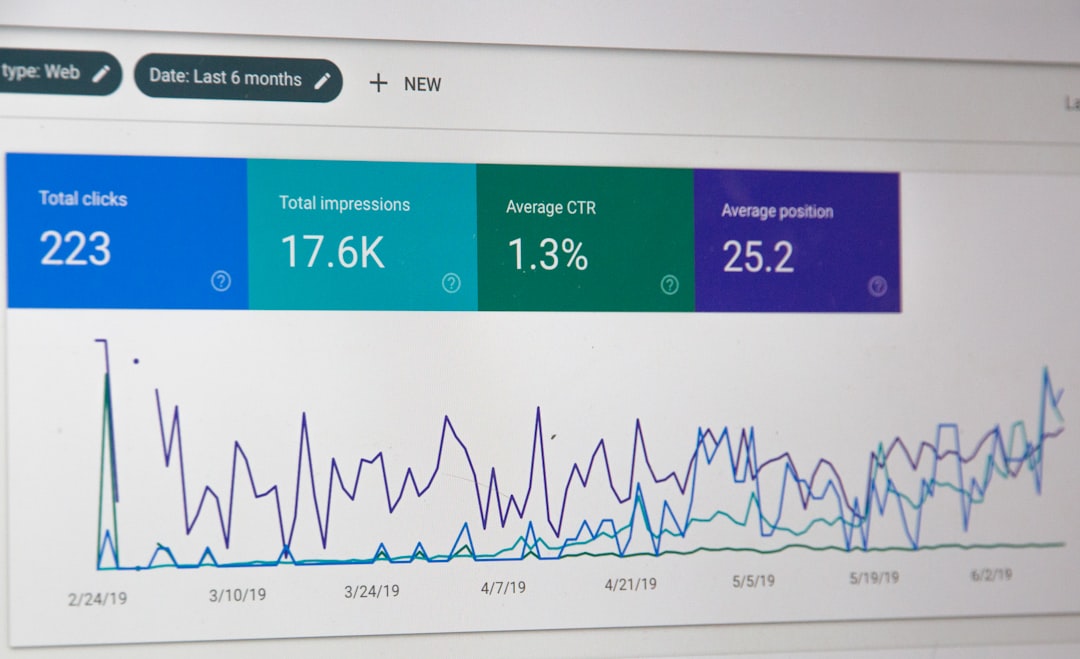
BrightLocal is widely used by agencies and small-to-medium businesses for its user-friendly dashboard and comprehensive feature set. It excels in Local Pack tracking and citation monitoring.
Strengths:
- Accurate local search tracking by city, ZIP code, or coordinates
- Google Maps ranking insights
- White-label reporting for agencies
- Reputation management integration
BrightLocal’s reporting capabilities make it a strong choice for agencies needing client-ready deliverables.
2. SEMrush Local SEO Toolkit
SEMrush extends its powerful SEO ecosystem into local search tracking. While traditionally known for national and global SEO, its local toolkit is robust enough for regional visibility monitoring.
Strengths:
- Keyword tracking segmented by location
- Integration with other SEO metrics
- Competitor comparison tools
- Listing management features
For agencies already using SEMrush, adding local tracking centralizes operations into a single platform.
3. Whitespark
Whitespark specializes in local SEO and is particularly known for citation building and local rank tracking. It offers hyper-local tracking with precision targeting.
Strengths:
- Detailed geo-specific rank tracking
- Local citation finder
- Competitor discovery tools
- Strong Google Business Profile insights
Its niche focus makes it ideal for businesses looking to dominate specific cities or neighborhoods.
4. Local Falcon
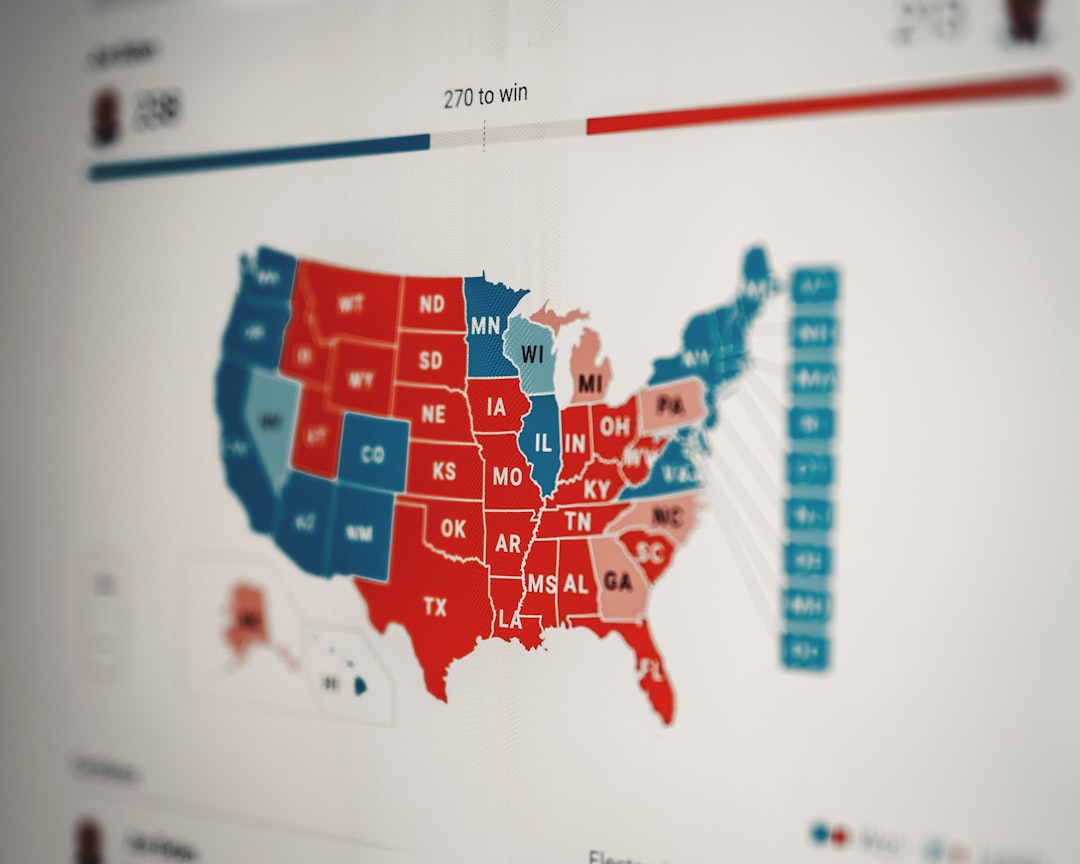
Local Falcon is known for its advanced geo-grid tracking. Instead of showing a single ranking for a keyword, it visualizes performance across a geographic map.
This tool answers a crucial question: “How visible is a business across its entire local service area?”
Strengths:
- Map-based ranking visualization
- Search from specific latitude and longitude points
- Grid-based performance scoring
- Shareable visual reports
Agencies managing service-area businesses such as HVAC companies, law firms, or real estate agencies often rely heavily on geo-grid tools like Local Falcon.
5. Moz Local
Moz Local focuses on listing management combined with performance reporting. While its rank tracking is not as granular as some geo-grid tools, it integrates well with local directory management.
Strengths:
- Listing distribution and cleanup
- Performance analytics
- Reputation tracking
- Simple reporting interface
For businesses prioritizing consistent NAP (Name, Address, Phone number) data and visibility, Moz Local offers a streamlined solution.
6. SERanking
SERanking offers a flexible and scalable rank tracking platform suitable for both independent businesses and agencies.
Strengths:
- Accurate local keyword tracking
- White-label and API options
- Customizable reporting dashboards
- Affordable pricing tiers
Its combination of affordability and customization makes it popular among growing agencies.
7. Ahrefs (Local Tracking via Rank Tracker)
Ahrefs provides precise location-based rank tracking through its Rank Tracker tool. While not exclusively local-focused, it delivers reliable data segmented by country, city, or ZIP code.
Strengths:
- High data accuracy
- Strong competitor keyword analysis
- Comprehensive backlink analysis
- Unified SEO dashboard
Agencies that prioritize technical SEO and backlink strategy alongside local tracking often prefer an all-in-one system like Ahrefs.
How Agencies Benefit from Advanced Local Tracking
Agencies face unique challenges when managing multiple clients across industries and regions. Manual monitoring is inefficient and prone to inconsistencies. Advanced tools provide scalable solutions:
- Bulk keyword uploads across multiple locations
- Automated reporting schedules for clients
- White-label interfaces for branding consistency
- Role-based team collaboration
These features streamline workflow and enhance transparency with clients.

Choosing the Right Tool
There is no single “best” tool for every organization. The right choice depends on specific needs:
For single-location businesses:
- Simple interface
- Affordable pricing
- Basic geo-targeting
For service-area businesses:
- Geo-grid tracking
- Map-based visualization
- Competitor heat maps
For agencies managing multiple clients:
- White-label reporting
- Multi-location management
- Automation and integrations
Budget considerations also play a role. Some platforms offer flexible keyword-based pricing, while others charge per location.
The Future of Local Rank Tracking
Search behavior continues to evolve with mobile usage, voice search, and AI-driven personalization. Tools are adapting to provide:
- More granular geo-data tracking
- Real-time ranking updates
- Integration with review and reputation data
- Predictive analytics for visibility forecasting
Businesses that invest in advanced tracking gain a competitive edge by identifying trends early and responding quickly to ranking fluctuations.
Conclusion
Local rank tracking is no longer optional for businesses that depend on regional customers. Visibility in local search results directly influences foot traffic, calls, and online conversions. Whether through geo-grid mapping, automated reporting, or competitor benchmarking, the right tool provides clarity in an increasingly complex digital landscape.
Businesses should evaluate their size, service area, reporting requirements, and integration needs before selecting a solution. Agencies, in particular, benefit from scalable platforms that centralize data across clients. With the correct system in place, local SEO becomes measurable, strategic, and consistently optimized for growth.
Frequently Asked Questions (FAQ)
1. What is local rank tracking?
Local rank tracking measures how a business appears in search engine results for specific keywords within targeted geographic areas. It often includes tracking positions in Google Maps and Local Pack results.
2. Why are local rankings different from regular SEO rankings?
Local rankings vary based on user location, proximity to businesses, device type, and personalization. This makes them more dynamic and geographically sensitive than national rankings.
3. How often should businesses check local rankings?
Most businesses monitor rankings weekly or monthly. Agencies managing competitive industries may track performance daily for quicker optimization decisions.
4. What is a geo-grid ranking tool?
A geo-grid tool displays keyword rankings across multiple points on a map, helping businesses understand visibility throughout their entire service area rather than at a single location.
5. Are local rank tracking tools suitable for small businesses?
Yes. Many platforms offer affordable plans tailored to single-location businesses, allowing smaller companies to track performance without enterprise-level costs.
6. Do these tools improve rankings automatically?
No. Rank tracking tools provide data and insights, but businesses must implement optimization strategies such as improving Google Business Profile listings, building citations, and earning reviews to improve rankings.


