Robotic Process Automation (RPA) has transformed the way organizations manage repetitive, rule-based tasks. Applications like Automation Anywhere are empowering businesses to automate workflows, reduce operational costs, and improve efficiency without overhauling existing infrastructures. As companies continue to pursue digital transformation, scalable automation platforms have become critical tools for maintaining competitiveness and agility in fast-changing markets.
TLDR: Robotic Process Automation (RPA) apps like Automation Anywhere help businesses automate repetitive tasks, reduce errors, and scale operations efficiently. These platforms integrate with existing systems, require minimal coding, and deliver rapid ROI. By combining bots, AI, and analytics, RPA tools enable organizations to streamline workflows across departments. Choosing the right automation software depends on business size, goals, and integration needs.
Rather than replacing entire systems, RPA software works at the user interface level, mimicking human interactions with digital platforms. This means companies can deploy automation quickly, often without changing core applications. From finance and HR to customer service and supply chain management, RPA tools are reshaping operational efficiency across industries.
Understanding Robotic Process Automation
Robotic Process Automation uses software bots to handle tasks such as:
- Data entry and migration
- Invoice processing
- Report generation
- Email and ticket routing
- Payroll and HR onboarding processes
Unlike traditional automation that requires deep system integration, RPA is designed for speed and flexibility. These bots operate 24/7, minimizing human error and increasing productivity.

Modern RPA tools extend beyond basic task automation. Many integrate artificial intelligence (AI), machine learning, and analytics to enable cognitive automation. This allows software bots to handle semi-structured data, recognize patterns, and even make rule-based decisions.
Why Businesses Choose Apps Like Automation Anywhere
Automation Anywhere has emerged as a leading RPA solution due to its scalability, cloud-first design, and user-friendly interface. However, it is part of a broader ecosystem of RPA platforms offering enterprise-grade automation capabilities.
Businesses adopt these tools for several key reasons:
1. Scalability
Organizations can start small, automating a single department, and later scale across global operations. Cloud-native architectures make it easier to deploy bots across distributed teams without heavy IT involvement.
2. Cost Efficiency
By reducing manual labor for repetitive tasks, companies lower operational costs while reallocating human talent to strategic initiatives.
3. Improved Accuracy
Software bots eliminate fatigue-related errors and ensure compliance with standardized processes.
4. Faster ROI
RPA deployments can show measurable benefits within months rather than years, making automation investments attractive even for mid-sized companies.
Core Features of Modern RPA Platforms
While individual apps vary in design and pricing, most robust RPA solutions share common features:
- Low-code or no-code builders for easy bot creation
- Drag-and-drop workflow designers
- Cloud deployment options
- Security and compliance tools
- AI-driven document processing
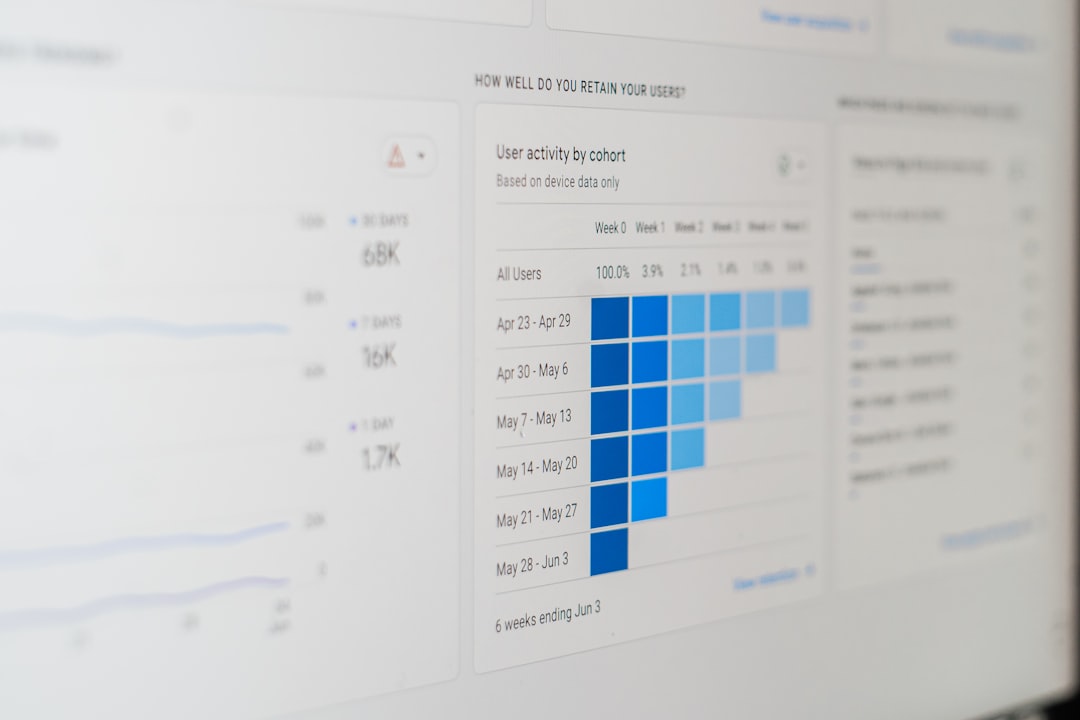
- Analytics dashboards for monitoring bot performance
These capabilities make RPA accessible not only to IT teams but also to business users through citizen development initiatives.
Popular RPA Tools Compared
Several platforms compete in the RPA market. Below is a comparison of leading automation tools that help businesses scale processes effectively.
| Platform | Best For | Key Strengths | Deployment |
|---|---|---|---|
| Automation Anywhere | Enterprise automation at scale | Cloud-native, AI integration, strong analytics | Cloud and on-premises |
| UiPath | Large enterprises and global teams | User-friendly design, large community support | Cloud and on-premises |
| Blue Prism | Highly regulated industries | Strong governance and compliance tools | Primarily on-premises with cloud options |
| Microsoft Power Automate | Microsoft ecosystem users | Seamless integration with Microsoft 365 | Cloud-based |
| Pega RPA | Customer service automation | Advanced case management features | Cloud and on-premises |
Each solution caters to specific operational needs. Companies evaluating RPA software should consider integration capability, scalability, security requirements, and total cost of ownership.
How RPA Helps Businesses Scale
Scaling a business requires consistent processes, repeatable systems, and the agility to manage fluctuating demand. RPA plays a major role in achieving these goals.
Standardization Across Departments
Bots ensure that processes remain uniform regardless of region or team. This reduces deviation and supports compliance standards across global offices.
Handling Growth Without Hiring Surges
When customer demand increases, organizations can deploy additional bots rather than immediately expanding their workforce. This flexibility supports sustainable growth.
Data-Driven Insights
RPA platforms offer dashboards and performance tracking tools. Executives can monitor process metrics and identify inefficiencies, driving continuous improvement.
Seamless Integration
Modern RPA tools integrate with:
- ERP systems
- CRM platforms
- Accounting software
- Legacy applications
- Web-based platforms
This interoperability ensures that businesses can scale automation without expensive system replacements.
Industry Use Cases
Automation apps like Automation Anywhere are transforming multiple sectors:
Finance and Accounting
- Automated invoice matching
- Reconciliation processes
- Tax compliance reporting
Healthcare
- Patient data management
- Insurance claims processing
- Appointment scheduling automation
Retail and E-commerce
- Inventory updates
- Order fulfillment tracking
- Customer support automation
Human Resources
- Resume screening
- Employee onboarding tasks
- Payroll data processing
These practical applications illustrate how RPA becomes a foundational layer for operational scaling.
Challenges and Considerations
Despite its benefits, RPA adoption requires strategic planning. Businesses should be aware of potential challenges:
- Process Selection: Not all workflows are suitable for automation.
- Change Management: Employees need training and reassurance.
- Security Risks: Bots require secure credentials and governance.
- Maintenance: Applications must adapt when systems change.
A well-defined automation strategy, starting with high-impact, low-complexity tasks, ensures smoother implementation and long-term scalability.
The Future of RPA and Intelligent Automation
The evolution of RPA is moving toward hyperautomation, which combines RPA with artificial intelligence, process mining, and advanced analytics. Rather than simply automating tasks, organizations are automating entire workflows and decision chains.
In the coming years, businesses can expect:
- Stronger AI-driven decision-making capabilities
- Increased use of autonomous digital workers
- Deeper integration with low-code development platforms
- Expanded cloud-native automation ecosystems
As digital transformation accelerates, RPA applications like Automation Anywhere will remain central to operational excellence strategies. Their adaptability makes them valuable tools not just for large enterprises, but also for growing mid-sized organizations seeking scalable solutions.
Conclusion
Robotic Process Automation apps have evolved into powerful business enablers. By reducing manual workload, minimizing errors, and delivering real-time insights, platforms like Automation Anywhere support companies in scaling efficiently and sustainably. From finance departments to global supply chains, automation is no longer a luxury but a strategic necessity. Organizations that carefully evaluate their needs and implement RPA thoughtfully can achieve measurable productivity gains and long-term competitive advantages.
Frequently Asked Questions (FAQ)
1. What is Robotic Process Automation (RPA)?
RPA is software technology that uses bots to automate repetitive, rule-based digital tasks typically performed by humans.
2. How does Automation Anywhere differ from other RPA tools?
Automation Anywhere is known for its cloud-native architecture, AI capabilities, and scalability, making it suitable for enterprise-level automation initiatives.
3. Is RPA only for large enterprises?
No. While large enterprises widely use RPA, mid-sized and even small businesses can benefit from automation, especially with scalable cloud solutions.
4. What processes are best suited for RPA?
Processes that are repetitive, rule-driven, high-volume, and involve structured data are ideal candidates for automation.
5. Does RPA require coding skills?
Many modern RPA platforms offer low-code or no-code interfaces, allowing non-technical users to build and manage automation workflows.
6. How long does it take to see ROI from RPA?
Many organizations see a return on investment within a few months, especially when automating high-impact, time-consuming processes.
7. Is RPA secure?
Yes, when implemented correctly. Leading RPA platforms provide strong security features, including encryption, credential vaults, and role-based access controls.


