Instagram is no longer just a visual sharing platform—it is a powerful search engine. With millions of users actively searching for brands, creators, products, tutorials, and inspiration every day, understanding how Instagram search works has become essential for visibility and growth. Businesses and creators who treat Instagram search queries strategically often outperform competitors who rely only on hashtags or paid ads.
TLDR: Instagram Search Queries Optimization focuses on aligning your profile, content, keywords, and engagement strategy with how users actively search on the platform. Optimizing your username, bio, captions, alt text, and engagement signals significantly improves discoverability. Strategic keyword placement often matters more than simply using trending hashtags. Consistency, relevance, and user intent are the foundations of ranking better in Instagram search results.
In this article, we will examine how Instagram search works, what factors influence ranking, and how you can implement a structured optimization strategy to improve visibility and long-term growth.
Understanding How Instagram Search Works
Instagram’s search function uses machine learning and behavioral data to determine what content appears when users type in keywords. When someone searches for “fitness trainer,” “home decor ideas,” or “digital marketing tips,” Instagram scans a range of signals to determine the most relevant results.
The platform typically ranks results based on:
- Text relevance: Keywords in your username, name field, bio, and captions.
- User engagement: Likes, comments, shares, saves, and profile visits.
- Search behavior: What users previously searched for and engaged with.
- Account popularity: Authority, consistency, and audience interaction.
- Content signals: Alt text, hashtags, and contextual clues in posts.
Unlike traditional SEO, Instagram search is highly behavior-driven. It prioritizes accounts and posts that demonstrate consistent engagement and relevant keyword usage over time.
Step 1: Optimize Your Profile for Search
Your profile acts as your homepage within Instagram’s ecosystem. If it is not optimized with the correct keywords, you are limiting your ranking potential.
Username and Name Field
Your username and name field are heavily indexed in search. The name field (bolded in your profile) should include your primary keyword.
For example:
- Ineffective: “John Smith”
- Optimized: “John Smith | Fitness Coach”
This helps Instagram understand exactly what your account represents.
Bio Optimization
Your bio should:
- Clearly describe what you do.
- Include industry-specific keywords.
- Use natural, readable language.
- Avoid keyword stuffing.
Instead of vague phrases such as “Helping you live better,” use targeted language like “Certified nutrition coach helping busy professionals build sustainable healthy habits.”
Profile Category Selection
Choosing the correct category (e.g., Entrepreneur, Personal Trainer, Marketing Agency) helps Instagram classify your account and match it with search queries.
Step 2: Conduct Keyword Research for Instagram
Effective Instagram optimization begins with understanding what your audience is searching for.
You can identify relevant keywords by:
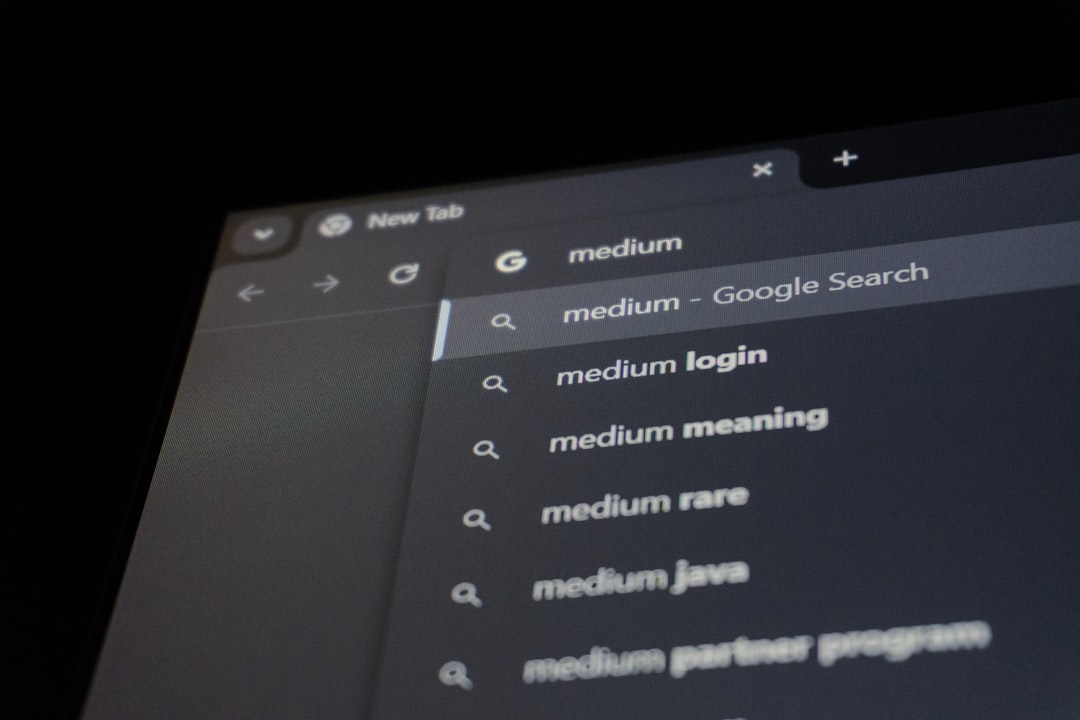
- Typing phrases into Instagram’s search bar and noting autocomplete suggestions.
- Studying competitors’ profiles and captions.
- Analyzing high-performing posts in your niche.
- Monitoring comment sections for recurring phrases.

Instagram autocomplete is particularly valuable because it reflects real search behavior. If the platform suggests “vegan meal prep ideas” or “small business branding tips,” those phrases likely carry search demand.
Step 3: Optimize Captions for Search Intent
Instagram now reads your captions to understand topic relevance. This shift has reduced the over-reliance on hashtags alone.
To optimize captions effectively:
- Place your primary keyword naturally within the first two lines.
- Write clearly and contextually rather than stuffing terms.
- Align captions with specific user problems or queries.
For example, instead of writing:
“New post! Check this out.”
Write:
“If you are struggling with Instagram engagement, here are 5 proven strategies to increase reach and profile visits.”
This signals relevance for “Instagram engagement” and related queries.
Hashtags still play a role, but their function has evolved. Rather than using highly popular tags with millions of posts, focus on:
- Mid-volume niche hashtags.
- Community-specific phrases.
- Branded hashtags for authority building.
- Keyword-aligned tags directly tied to content.
A balanced strategy typically includes:
- 3–5 broad industry hashtags
- 5–10 niche-specific hashtags
- 1–2 branded tags
Quality and specificity matter more than volume.
Step 5: Optimize Instagram Alt Text
Instagram allows you to edit alt text manually. While originally designed for accessibility, alt text also contributes to search understanding.
Instead of letting Instagram generate generic alt text, add descriptive, keyword-rich text such as:
“Digital marketing expert teaching Instagram growth strategy on laptop during workshop.”
This enhances content categorization and accessibility simultaneously.
Step 6: Leverage Engagement Signals
Instagram search rankings are influenced by interaction velocity and quality. Posts that receive strong early engagement are more likely to rank higher.
To improve engagement:
- Post when your audience is most active.
- Use strong opening hooks in captions.
- Include direct calls to action.
- Encourage saves and shares (which weigh heavily).
Encouraging “Save this for later” or “Share with someone who needs this” often improves search performance indirectly by boosting content authority.
Step 7: Create Topic Clusters and Content Consistency
Instagram favors topical authority. If your content is scattered across unrelated themes, search clarity diminishes.
Instead, build defined content clusters:
- Instagram Growth Tips
- Content Marketing Strategy
- Analytics and Performance Tracking
- Personal Branding Development
Repeatedly publishing within focused themes signals expertise and strengthens algorithmic categorization.
Step 8: Optimize Reels for Search Visibility
Reels currently receive strong algorithmic support. To optimize for search:
- Include keywords in on-screen text.
- Use keyword-rich captions.
- Add relevant hashtags.
- Select an optimized cover image with readable text.
Instagram scans both visual and textual elements to determine relevance.
Step 9: Analyze Performance and Refine
Optimization is not a one-time process. Regular performance evaluation is essential.
Monitor:
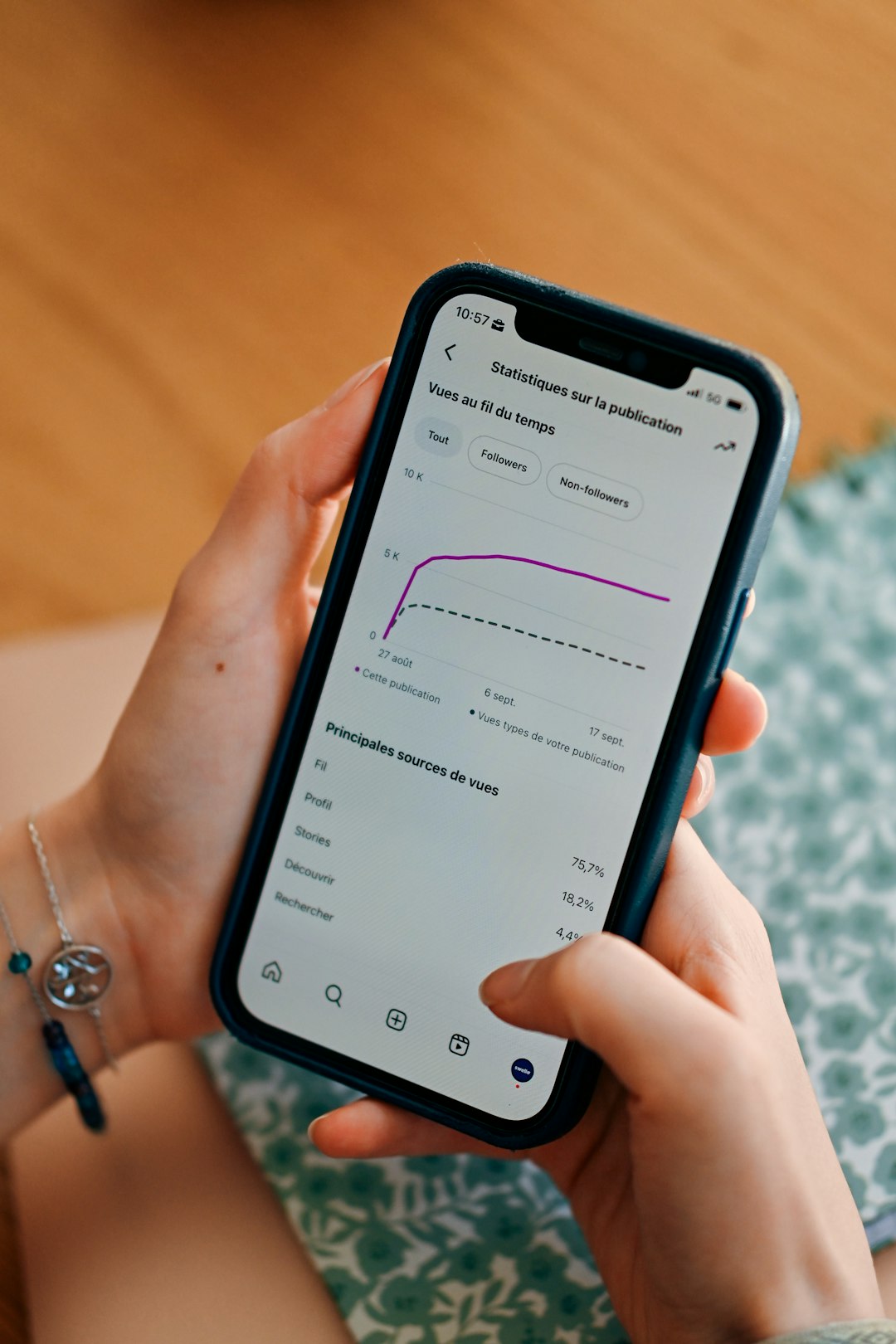
- Profile visits from search.
- Reach attributed to non-followers.
- Saves and shares per post.
- Keyword alignment in top-performing content.
If posts targeting “social media marketing tips” consistently outperform others, double down on similar high-performing subtopics.
Step 10: Avoid Common Optimization Mistakes
Many accounts fail to rank because of preventable errors.
Common mistakes include:
- Keyword stuffing in bios or captions.
- Using irrelevant trending hashtags.
- Inconsistent posting frequency.
- Ignoring engagement after posting.
- Overlooking alt text optimization.
Instagram rewards authentic, relevant content—not manipulation.
Final Recommendations for Ranking Better
To build long-term visibility in Instagram search results:
- Define your core keyword themes.
- Align every profile element with those keywords.
- Publish consistent, value-driven content.
- Encourage authentic engagement.
- Continuously analyze and adjust your approach.
Instagram search optimization is not about shortcuts. It is about clarity, consistency, and strategic communication. When your profile clearly states who you are, your content directly answers user queries, and your engagement signals reflect value, the algorithm naturally positions you higher.
As competition increases on the platform, optimization will become less optional and more foundational. Treat Instagram like a search engine—not just a photo-sharing app—and you will position your brand for sustainable organic discovery.
The accounts that win in Instagram search are those that combine keyword intelligence with genuine audience value.


