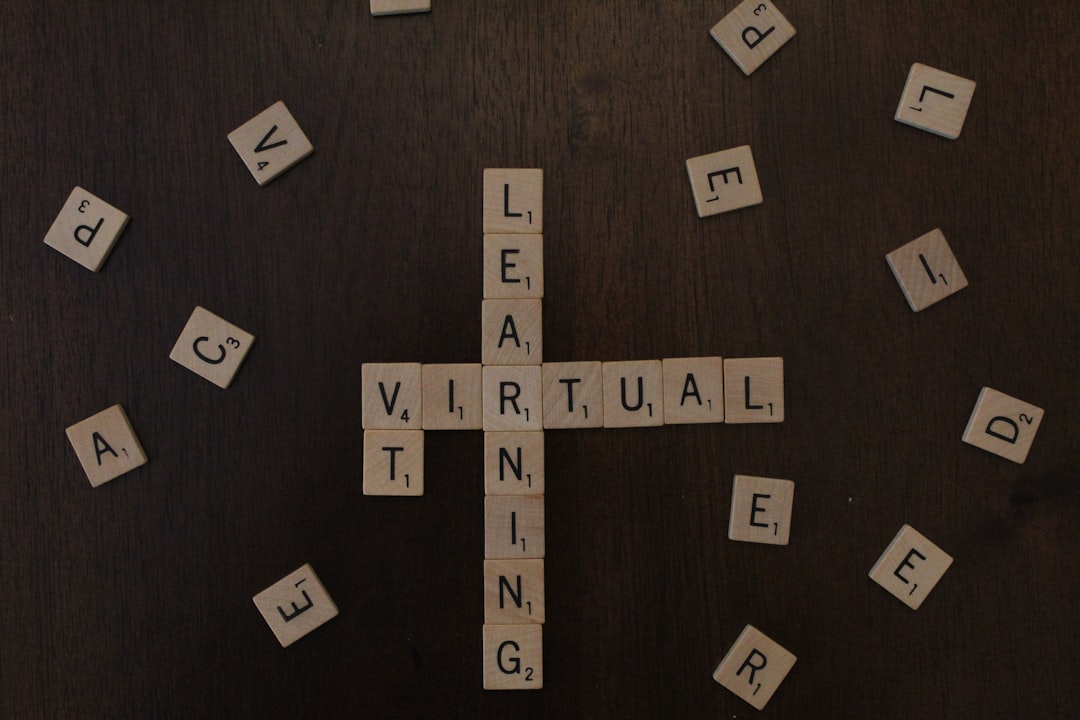
In an information-rich world, one of the most valuable abilities anyone can develop is the skill of learning—not just for a school test or job training, but for life. While accumulating knowledge is essential, what matters more is the transformation of that knowledge into *lasting capabilities*. This transformation doesn’t occur passively—it stems from active engagement in the learning process every day.
TL;DR: Passive memorization won’t lead to lifelong skills. Active engagement—through practice, reflection, and real-world application—helps convert everyday learning into lasting abilities. From mindful learning routines to strategies like the Feynman technique, the key lies in staying curious and immersing oneself in the subject. With the right mindset and methods, daily learning can become a lifelong superpower.
The Difference Between Learning and Mastery
Many people conflate learning with mastery. To learn something is to consume and understand information; to master something, however, is to internalize it so deeply that it becomes second nature. The gap between learning and mastery is bridged by active engagement. Passive behaviors—like merely reading or listening—rarely cement knowledge for the long term. Instead, mastery requires active participation and deliberate practice.
Consider how children learn to speak. They don’t memorize vocabulary lists. Instead, they engage, attempt, make errors, and get feedback. This continuous cycle of interaction is what forges competence. Similarly, adults must replicate this immersive engagement to convert new knowledge into lasting skill.
What Is Active Engagement?
Active engagement isn’t limited to classroom conversation or group discussion. It refers to any mental or physical involvement that helps reinforce and internalize knowledge. There are several dimensions of active engagement:
- Deliberate Practice: Repetition with the intent to improve and receive feedback.
- Self-Explanation: Explaining concepts in one’s own words to identify gaps in understanding.
- Teaching Others: Turning knowledge into sharable insights that demonstrate comprehension.
- Reflection: Reviewing what was learned, how it was applied, and what it revealed about your current competency.
If daily learning doesn’t incorporate one or more strategies above, it may fade with time—useful only in the short term but never truly integrated.
Why Routine Exposure Isn’t Enough
Exposure to ideas without effortful interaction tends to produce *illusion of competence*. Students who reread notes, for instance, may feel they’ve learned the material, but when tested later, perform poorly.
The same holds true in adult learning contexts. Employees watching a training video may nod along and even retain some facts but are unlikely to build skills unless they use what they’ve learned in real situations.
True transformation of knowledge requires encoding it into long-term memory through repeated, intentional effort. Active recall, spaced repetition, and real-world application all trigger this cognitive encoding.
Techniques to Transform Daily Learning Into Lifelong Skills
Creating an environment and routine that supports active engagement is more achievable than people often realize. Some research-backed and time-tested techniques include:
1. The Feynman Technique
This learning method involves explaining a concept as if teaching a beginner. The steps include:
- Study the topic until you think you understand it.
- Try to explain it in simple language, preferably out loud or in writing.
- Identify areas where your explanation breaks down.
- Review and refine your understanding based on the gaps you uncovered.
Why it works: It forces self-assessment and requires deeper processing of ideas than passive review.
2. Microlearning and Regular Review
Instead of absorbing large volumes of information at once, microlearning emphasizes bite-sized learning segments over short durations. For instance:
- 5–10 minute reading sessions daily
- Short quizzes at the end of each topic
- Reviewing yesterday’s content before looking at new material
This method leverages the brain’s natural preference for spaced learning and reflected attention.
3. Context-Based Learning
Applying knowledge within a real-life or simulated context amplifies understanding. For example, a person learning a new language can grasp vocabulary much more quickly through immersion or conversation practice versus flashcard drills alone.

Why it works: Context binds memory to emotions and actions, which makes it more retrievable and usable in the future.
4. Learning by Creating
Creating something from what you’ve just learned—like a blog post, podcast, drawing, or video—turns passive input into tangible output. This forces learners to revisit, reframe, and reprocess the knowledge.
Whether it’s journaling after reading a book or designing an infographic as a summary of a topic, creation fosters higher-order understanding and memory retrieval pathways.
Mindset Is The Multiplier
While tools and strategies matter, they are amplified by a growth mindset—believing that intelligence and skill can be developed with effort. Dr. Carol Dweck’s research shows that people who embrace challenge and mistake as learning steps retain more knowledge long-term.
A curious individual, even without formal instruction, will naturally dig deeper, ask questions, and engage more robustly with new content.
Daily learning becomes lifelong when learners shift from consumption to curiosity-driven creation and refinement.
Practical Habits To Reinforce Daily Learning
Incorporating active learning into one’s daily routine doesn’t require massive overhauls. Consider these habits:
- End-of-day reflections: Spend a few minutes journaling what was learned and how to apply it.
- Morning recaps: Briefly attempt to recall yesterday’s learnings to reinforce memory.
- Weekly teaching moments: Teach what you’ve learned to a peer, even informally.
- Timed challenges: Try applying a skill or concept under time restraints to simulate real-world pressure.

Making a habit of reflection and teaching can be particularly effective. These methods harness both metacognition (thinking about thinking) and social reinforcement, solidifying knowledge quickly.
Conclusion
Turning daily learning into lifelong skills is a matter of *intentional participation*. Passive methods may help momentarily, but they do not create fluency or mastery. By choosing to *engage*, reflect, apply, and share learning as it happens, individuals transform fleeting knowledge into enduring competence.
This approach not only fortifies memory and boosts performance but cultivates a mindset of growth that will serve learners across every stage of life.
FAQ
-
Q: Can watching videos or reading books daily help in the long term?
A: Yes, but only if the information is actively processed. Passive consumption isn’t enough. Reinforcing it through practice, reflection, or creation is key. -
Q: How much time should be dedicated to active engagement each day?
A: Even 15–30 minutes of focused, active learning can produce significant results over time—especially when consistently practiced. -
Q: What’s an easy way for busy professionals to make their learning more active?
A: Turn meetings or webinars into brief summaries or takeaways that you share with others. Teaching existing knowledge is a powerful tool. -
Q: What if I’m bad at teaching—does that mean I’ve failed to learn?
A: Not at all. Difficulty in teaching usually reveals the weakest parts of your understanding—exactly where you should focus next. -
Q: Is active learning only useful for students?
A: No. Active learning benefits professionals, creatives, entrepreneurs, and anyone seeking to improve and retain their skills over time.


