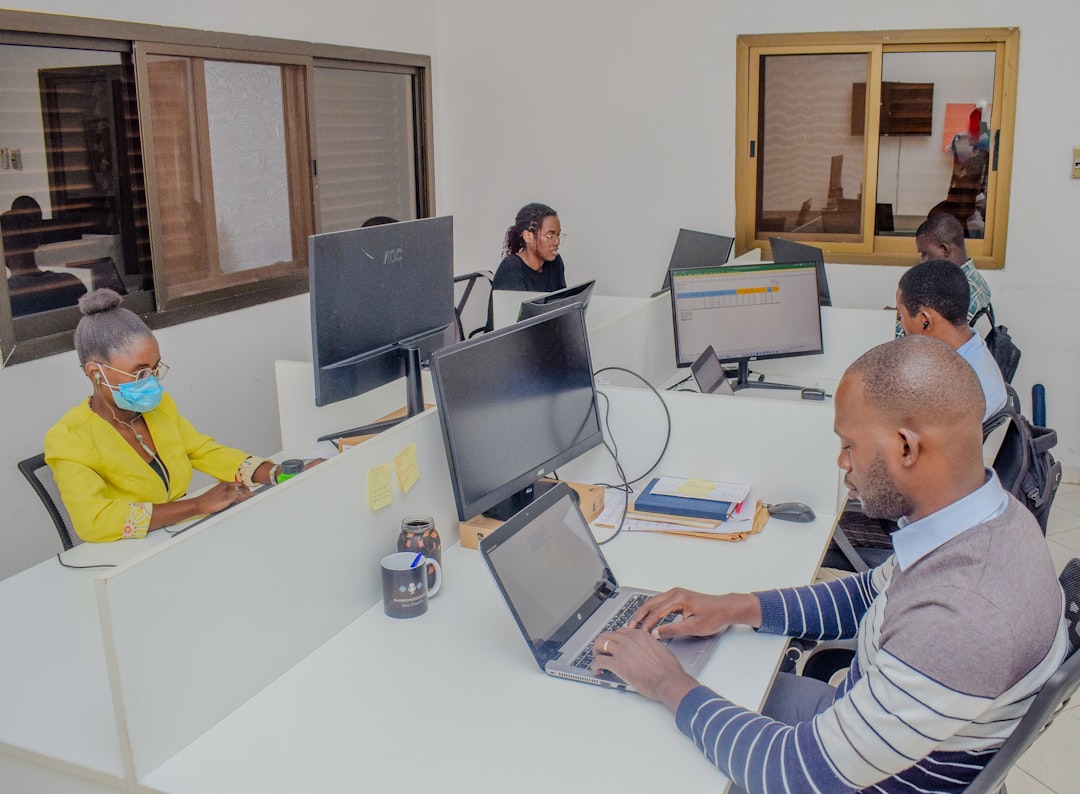
In the fast-paced world of remote work, the ability to streamline operations, reduce tool fatigue, and foster efficient communication is essential. Many companies and teams are finding that they’re juggling multiple standalone apps—one for chat, another for file sharing, a third for task management, and so on—which leads to reduced productivity and a siloed work environment. But what if a handful of remote collaboration tools could consolidate these functions into fewer platforms and drastically boost your workflow?
TL;DR
Juggling too many standalone apps can hamper remote productivity. Fortunately, several all-in-one collaboration tools offer integrated messaging, project management, file sharing, and video conferencing within a unified platform. This article explores five robust tools that can replace multiple apps for a more seamless workflow. Adopting any of these solutions could save time, increase team alignment, and reduce software clutter.
1. Microsoft Teams – One Hub for Integrated Workflows
Microsoft Teams is much more than a chat tool. It’s a full-blown collaboration platform that combines messaging, video conferencing, file storage, task management, and third-party integrations under one roof.
Key features that replace multiple apps:
- Chat & Video Conferencing: Instant messaging and high-quality meetings without needing Skype or Zoom.
- File Sharing & Storage: Deep integration with OneDrive and SharePoint eliminates the need for separate cloud storage solutions like Dropbox.
- Task Management: Built-in integration with Microsoft Planner and To Do.
- Cross-App Integrations: Connects seamlessly with other Microsoft 365 apps—including Word, Excel, and PowerPoint.
For organizations already using Microsoft 365, Teams becomes a central hub, allowing users to switch context less often and collaborate more effectively.

2. Slack – Beyond Messaging with Robust Functionality
Originally known for its intuitive chat interface, Slack has evolved into a powerful platform that can replace not just email, but a suite of productivity tools.
Key features that replace multiple apps:
- Persistent Chat Threads: Keeps team discussions organized and eliminates the clutter of back-and-forth emails.
- Audio and Video Calling: No need for Zoom or Skype for quick calls or screen sharing.
- Workflow Automation: Built-in tools like Workflow Builder automate routine processes without requiring external automation software.
- Extensive App Ecosystem: Integrates natively with tools like Google Drive, Trello, Outlook, and more to centralize workflows.
Whether you’re coordinating software development, planning a marketing campaign, or running support operations, Slack offers the ability to customize workspaces and automate tasks, reducing the need to jump between separate tools.
3. Notion – All-in-One Workspace for Documents, Tasks & Databases
Notion brings together note-taking, project management, databases, documentation, and task tracking into a unified, customizable platform. It replaces several specialized apps like Evernote, Trello, and Confluence.
Key features that replace multiple apps:
- Pages & Blocks: Create flexible content layouts that can serve as wikis, reports, or planning aids.
- Multiple Views: Use tables, kanban boards, calendars, or lists to organize and visualize tasks and databases.
- Team Collaboration: Commenting, mentions, and shared workspaces foster real-time collaboration akin to Google Docs and Asana combined.
- Embedding Capabilities: Pull data and previews from Figma, Loom, YouTube, and more without leaving the platform.
Its versatility is what makes Notion a standout tool. One simple dashboard can replace several standalone tools, minimizing friction and making team knowledge accessible in one place.
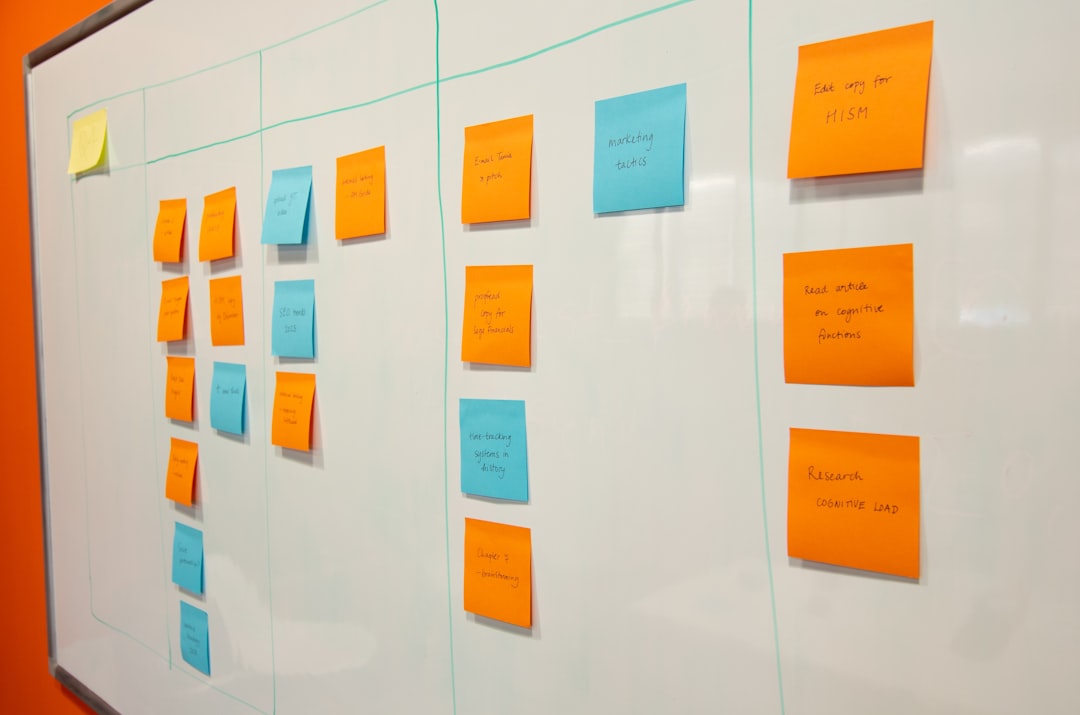
4. ClickUp – A Swiss Army Knife for Work Management
If you’re looking for a platform that does it all—ClickUp might just be your holy grail. Promoted as “one app to replace them all,” it’s designed to house tasks, docs, time tracking, goals, conversations, and more.
Key features that replace multiple apps:
- Task & Project Management: Replace Trello, Jira, or Asana with a unified view that supports multiple workflow styles.
- Docs & Wikis: Draft SOPs and meeting notes like you would in Google Docs or Confluence.
- Built-in Chat: No need for Slack or MS Teams for internal team communication.
- Time Tracking: Track hours without needing a dedicated time-tracking app like Toggl.
- Custom Dashboards: Create high-level visualizations to monitor performance metrics, status updates, and deadlines.
ClickUp’s biggest strength is its customizability. You can adopt the features you need and scale gradually, removing the need for a host of fragmented applications as your team grows.
5. Google Workspace – Classic Suite Made Collaborative
Google Workspace ties together collaboration through its trusted ecosystem of apps—Gmail, Google Drive, Docs, Sheets, and Meet. Over time, it has evolved into a cohesive platform that addresses nearly all remote work requirements.
Key features that replace multiple apps:
- Email & Calendar: Gmail and Google Calendar eliminate traditional mail and scheduling apps.
- Real-Time Collaboration: Simultaneous editing in Docs, Sheets, and Slides replaces Microsoft Office for many teams.
- Cloud Storage: Google Drive handles document storage and sharing, removing the need for alternatives like Dropbox or Box.
- Video Meetings: Google Meet is fully integrated for quick video calls and meetings.
- Form Creation: Google Forms makes surveys and feedback easy to collect—no need for third-party tools like Typeform.
The beauty of Google Workspace lies in its simplicity. With everything connected through a single sign-in, it’s easier for teams to stay in sync, especially when working from different locations.
Conclusion: Streamlining for Productivity
Remote teams need efficient workflows—not just a collection of fragmented tools. The five platforms discussed above—Microsoft Teams, Slack, Notion, ClickUp, and Google Workspace—offer holistic solutions that eliminate the complexity of managing multiple standalone apps.
By consolidating tools for communication, documentation, collaboration, and project management into integrated systems, these platforms reduce cognitive load, lower costs, and improve team focus.
Here’s a final breakdown:
- Cut down on app-switching that wastes time and productivity.
- Centralize team activity into a single platform or smaller toolset.
- Create transparent and accessible workflows for all team members.
Whether you’re a startup or an enterprise, embracing one or more of these all-in-one tools could dramatically enhance how your remote teams operate, collaborate, and thrive in the digital workspace.


