For creators and brands trying to grow on TikTok, timing often feels like everything. With the rise of social media management platforms and TikTok’s own native scheduler, a common concern has emerged: does scheduling TikTok posts affect views and how the algorithm treats scheduled content? Many users worry that pre-scheduled videos may be penalized, deprioritized, or somehow “less organic” than content uploaded manually.
TLDR: Scheduling TikTok posts does not negatively affect views or trigger penalties in the algorithm. The platform evaluates content based on engagement signals, watch time, and user interactions — not on whether it was scheduled. However, performance can differ due to timing strategy, audience behavior, and content quality. In short, scheduling is neutral; strategy is what makes the difference.
How the TikTok Algorithm Actually Works
To understand whether scheduling matters, it’s essential to understand how TikTok distributes content. The platform’s algorithm is centered around user engagement and behavioral signals rather than upload method.
The algorithm evaluates videos based on:
- Watch time (completion rate and replays)
- Engagement (likes, comments, shares, saves)
- User interactions (accounts followed, previous engagement history)
- Video information (captions, sounds, hashtags)
- Device and account settings (language, location, device type)
Notice that “upload method” is not part of this list. Whether a video is posted manually from a smartphone or scheduled through TikTok’s desktop scheduler does not appear to influence how it enters the For You Page (FYP) distribution cycle.
Does Scheduled Content Get Less Reach?
There is no credible evidence that TikTok suppresses scheduled posts. In fact, many large brands, agencies, and enterprise creators rely heavily on scheduling tools to manage consistent posting — and maintain high visibility.
What sometimes causes confusion is correlation vs. causation.
For example:
- A creator schedules posts at midnight.
- Their audience is most active at 6 PM.
- The video performs poorly.
The underperformance is likely due to audience timing mismatch, not the scheduling mechanism itself.
When posts go live at times when followers are inactive, initial engagement slows down. Since TikTok tests new videos with small audience samples first, weaker early signals can reduce wider distribution. But again, this is about timing strategy, not scheduling technology.
Manual Posting vs. Scheduled Posting
Some creators believe that manually posting gives them an advantage because they can engage immediately after upload. This highlights a subtle but important distinction.
Manual posting often leads to:
- Immediate replies to comments
- Quick engagement in the first 10–15 minutes
- Active sharing across other platforms
Scheduled posting, if left unattended, may delay this engagement response. However, this is a workflow issue, not an algorithmic penalty.
Creators who schedule content and then actively monitor posts once they go live typically experience no negative impact compared to manual posting.
When Scheduling Can Actually Improve Views
Scheduling can sometimes improve performance when used strategically.
Here’s how:
1. Consistency
The TikTok algorithm favors creators who post consistently. Scheduling helps maintain regular posting frequency even during busy periods.
- Daily uploads
- Optimized weekly cadence
- Campaign-based bursts
Consistency trains the algorithm to understand a creator’s content niche and audience.
2. Data-Driven Timing
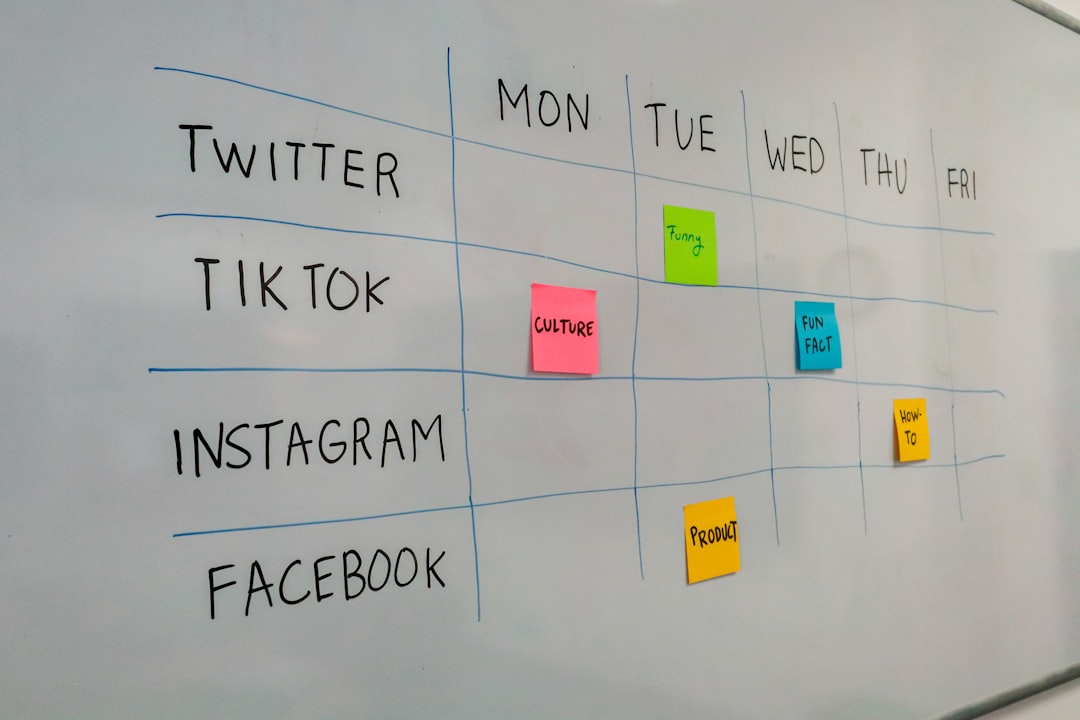
Using analytics, creators can schedule posts during peak audience activity hours.
This allows them to:
- Capitalize on high-traffic windows
- Test multiple time slots
- Target global audiences in different time zones
3. Reduced Burnout
Creators who rely solely on manual posting often experience burnout, leading to inconsistent uploads. Scheduling ensures content goes live even during travel, illness, or heavy workloads.
From an algorithmic perspective, consistency beats spontaneity.
Does TikTok Treat Native Scheduler Differently Than Third-Party Tools?
TikTok offers a built-in desktop scheduling feature, and many third-party social media management platforms also support TikTok publishing.
A frequent concern is whether third-party tools limit reach.
Currently, there is no verified indication that TikTok downgrades posts from approved third-party partners. These tools use TikTok’s official API, meaning content is published through authorized channels.
However, creators should ensure:
- The tool is officially integrated with TikTok.
- Video quality remains high after upload.
- Captions and hashtags transfer correctly.
Technical issues — such as compression errors, formatting glitches, or missing captions — can impact performance, but these are not algorithmic penalties.
Early Engagement: The Real Performance Driver
The first 30 to 60 minutes after posting are often crucial. TikTok typically pushes new videos to a small testing group. Based on their response, the platform may expand distribution.
Key metrics during this phase include:
- Average watch time
- Completion rate
- Shares
- Comments per view
If a video is scheduled at a time when the creator cannot respond or drive traffic, early engagement may be slower. This can create the illusion that scheduled posts underperform.
The solution is simple: schedule strategically and be present when the content goes live.
Myths About Scheduled TikTok Posts
Myth 1: Scheduled Posts Are Flagged as Promotional
There is no evidence that TikTok marks scheduled content as promotional or sponsored solely because it was scheduled.
Myth 2: Manual Posting Boosts Authenticity Signals
The algorithm tracks viewer response, not perceived authenticity of upload method. Viewers determine performance through their behavior.
Myth 3: Scheduling Reduces FYP Chances
Videos reach the For You Page based on engagement signals. Scheduling does not remove eligibility.
What Actually Affects Views More Than Scheduling
Instead of focusing on scheduling fears, creators should prioritize factors that significantly influence reach:
- Strong hooks in the first 3 seconds
- Shorter, engaging formats that increase completion rate
- Trend alignment with relevant sounds and topics
- Audience retention optimization
- Clear niche positioning
These elements play a measurable role in discovery and distribution.
Best Practices for Scheduling TikTok Content
For creators who want to use scheduling without sacrificing performance, the following best practices can help:
- Analyze follower activity in TikTok Analytics.
- Test multiple posting times over several weeks.
- Be available for the first 20–30 minutes after publishing.
- Avoid over-automation; maintain active community management.
- Monitor performance differences between manual and scheduled posts.
Testing remains the most reliable way to determine what works for each individual account. TikTok audiences behave differently across niches, industries, and regions.
The Psychological Factor Behind the Concern
Interestingly, concerns about scheduling often stem from psychological bias. When a manually posted video goes viral, creators attribute success to their real-time involvement. When a scheduled post performs poorly, they attribute failure to automation.
In reality, viral performance is multifactorial. Engagement quality, viewer intent, trend cycles, and sheer randomness can all affect outcomes.
So, Does Scheduling TikTok Posts Affect Views?
The balanced conclusion is this:
- No, scheduling does not directly reduce reach.
- No, the algorithm does not penalize scheduled content.
- Yes, poor timing can reduce engagement.
- Yes, absence during early engagement can slow momentum.
When used strategically, scheduling is a productivity tool — not a growth obstacle.
FAQ
1. Does TikTok’s algorithm know if a post was scheduled?
TikTok likely can identify the publishing method internally, but there is no evidence that it uses this data as a ranking factor in content distribution.
2. Do scheduled TikTok posts get fewer views?
No. Views depend on engagement metrics and audience response, not on whether content was scheduled.
3. Is it better to post manually on TikTok?
Manual posting may help creators engage immediately after publishing, but it does not inherently boost algorithmic reach.
4. Can third-party scheduling tools hurt performance?
Not if they are officially integrated with TikTok. Performance issues typically arise from strategy or technical errors, not the tool itself.
5. What is the best time to post on TikTok?
The best time varies by audience. Creators should use TikTok Analytics to identify when their followers are most active and test different time slots.
6. Should creators avoid scheduling altogether?
No. Scheduling can improve consistency, reduce burnout, and help maintain a steady posting rhythm — all of which support long-term growth.
Ultimately, success on TikTok depends far more on content quality, watch time, and audience connection than on how the “publish” button is pressed.


