Every spring, people around the world celebrate Easter — a holiday filled with colorful eggs, joyful gatherings, and deep religious significance. But one question often pops up: Why does the date of Easter change every year? Unlike Christmas, which always falls on December 25, Easter seems to hop around the calendar unpredictably. Let’s dive into the fascinating mix of astronomy, tradition, and history that decides when we celebrate Easter.
TL;DR
Easter doesn’t have a fixed date because it’s based on a combination of solar and lunar calendars. Specifically, it falls on the first Sunday after the first full moon following the spring equinox. This formula places Easter anywhere between March 22 and April 25. The method stems from ancient efforts to align religious tradition with astronomical events.
The Basic Formula: Moon + Sun = Easter
At the heart of the shifting Easter date is a centuries-old formula rooted in both solar and lunar cycles. According to the rules established by the Christian Church:
- Easter is celebrated on the first Sunday after the first full moon following the spring equinox.
The spring equinox is typically marked on March 21, regardless of the actual astronomical date. The full moon that occurs on or after this date is called the Paschal Full Moon. Easter is the Sunday following this full moon.
This means Easter can fall as early as March 22 and as late as April 25. The wide range is due to the shifting nature of both the equinox and the moon phase from year to year.
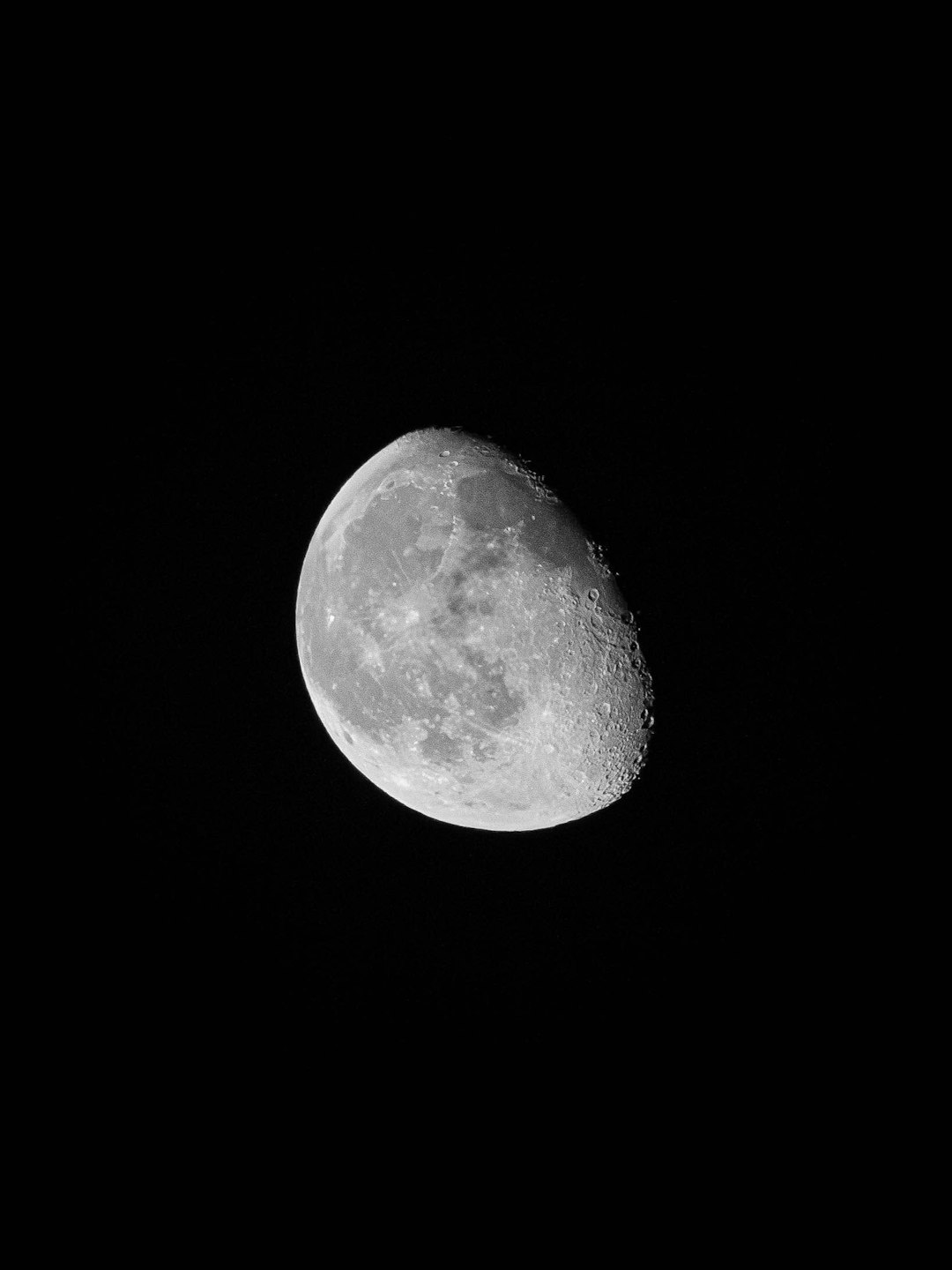
Why Use the Moon at All?
The use of the moon in determining Easter ties back to the Jewish calendar. Jesus’s crucifixion and resurrection occurred during Passover, a Jewish festival based on the lunar calendar. Since early Christians wanted to link Easter to the timing of Passover, they also looked to the moon for guidance.
However, the Church didn’t use the modern scientific lunar calendar but rather an ecclesiastical approximation of the moon’s phases. This way, Easter could be calculated using tables rather than sky-watching, which helped standardize the date across different regions in the past.
Julian vs. Gregorian Calendar: Two Easter Dates?
When talking about Easter, it’s important to realize that not all Christians celebrate it on the same day. There are two primary calendars in play:
- Western Christianity (Catholic and most Protestant churches) uses the Gregorian calendar, introduced by Pope Gregory XIII in 1582.
- Eastern Orthodox Christianity uses the older Julian calendar, which currently lags 13 days behind the Gregorian calendar.
This calendar difference means that Orthodox Easter often falls on a different date than Western Easter — sometimes by a week, sometimes by more. Both churches use the same “first full moon after the equinox” rule, but because they do so on different calendars, the outcome often varies.
Astronomy vs. Church Tradition
Interestingly, Easter’s date isn’t determined by actual astronomical observations but by ecclesiastical rules. For example:
- The Church officially fixes March 21 as the date of the spring equinox, even though it may vary slightly in reality.
- The “full moon” is also based on church calculations, not actual moon phases.
This system was created to make Easter calculations more manageable and to avoid disagreements about the precise date of celestial events, especially in the centuries before advanced astronomy.

Why Not Just Fix the Date?
Over the years, there have been many calls to fix the date of Easter — say, always on the second Sunday of April — but they’ve never gained widespread support. Here’s why:
- Tradition: The current method is deeply rooted in Christian history and symbolism, connecting Easter to both Passover and the natural rhythms of the seasons.
- Unity: Changing the date would require agreement among many different churches around the world, including those that don’t see eye-to-eye on other matters.
- Symbolism: The cycle of the moon and the vernal equinox hold spiritual significance, linking earthly time to divine mystery.
Still, discussions continue even today, and who knows? Maybe someday Easter will be the same date every year.
A Timeline of Easter’s Date-Setting History
The way Easter’s date is set today didn’t happen overnight. Here’s a condensed timeline of important milestones:
- 1st Century: Early Christians celebrated Easter in close association with Passover, often on the 14th day of the Jewish month of Nisan.
- 325 AD: The Council of Nicaea established the current rule: Easter is on the first Sunday after the Paschal Full Moon.
- 1582: The Gregorian calendar was introduced, and the Western Church adopted it for Easter calculations.
- 20th–21st Century: Several proposals have suggested fixing Easter’s date, but none have led to change.
How You Can Track Easter’s Date Each Year
You don’t need to understand all the astronomical details to know when Easter is coming. Here are a few simple ways to keep track:
- Calendars: Most wall or digital calendars highlight Easter Sunday in advance.
- Online Tools: Websites and Easter calculators can instantly tell you the Easter date for any year.
- Formula: If you’re mathematically inclined, there’s even a formula called the “Computus” that lets you calculate Easter manually!
For example, in 2024, Easter falls on March 31. In 2025, it will be on April 20.
A Cultural Easter Egg: How Traditions Vary
Although the religious meaning of Easter is consistent, cultural practices linked to its date vary worldwide:
- In Germany, people light bonfires to welcome the “Easter Sun.”
- In Greece, firecrackers are common during midnight Easter celebrations.
- In the U.S. and U.K., Easter egg hunts and chocolate bunnies dominate the holiday.
All of these traditions hinge on the timing of Easter, showing how the moving date affects cultural life just as much as religious observance.
Conclusion: A Blend of Timekeeping and Tradition
Easter’s ever-changing date may seem confusing at first glance, but it’s actually a beautiful blend of history, astronomy, and religious tradition. From the ancient practice of aligning with the moon to the more recent adjustments with modern calendars, the process reveals just how deeply our calendars are intertwined with our cultures and beliefs.
So next time someone asks, “Why does Easter change every year?”, you’ll know: it’s all about the first full moon after the spring equinox — and a whole lot of history.


