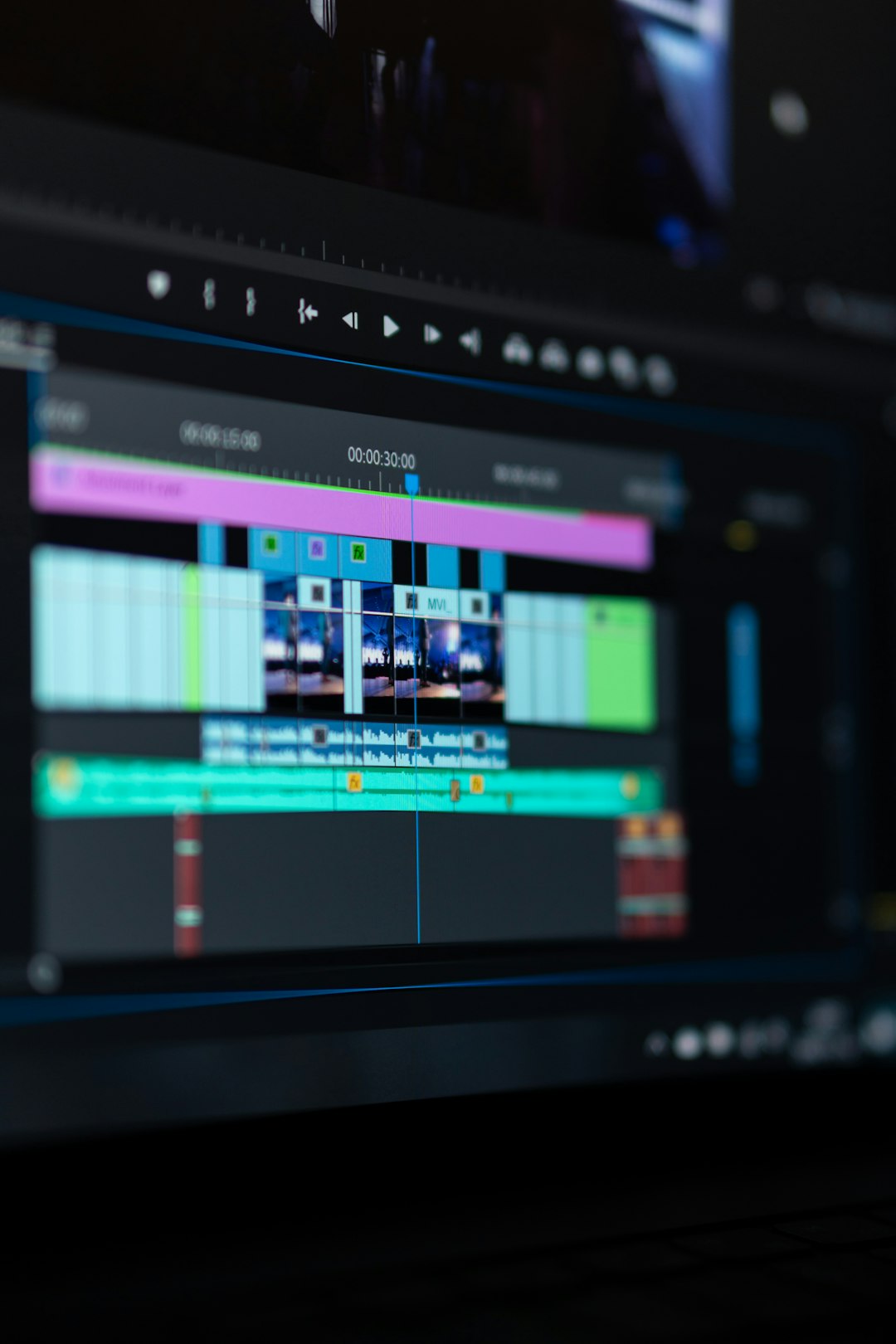
A jump cut is an edit that removes a slice of continuous time, making the image appear to “jump” forward. It is most often used to tighten speech, speed up action, show urgency, or make a scene feel raw and direct. Instead of hiding the edit, the filmmaker lets the cut show. That visible break becomes part of the rhythm.
TLDR: A jump cut skips forward within the same shot or visual setup, creating a noticeable break in time. Editors use it to cut pauses, speed up boring sections, or make a scene feel tense, funny, or modern. For example, a 12-second talking-head answer can be trimmed to 6 seconds by removing breaths and dead space, cutting the runtime by 50% without changing the main message. In social videos, that can be the difference between a viewer staying or leaving after three seconds.
What Is a Jump Cut?
A jump cut is a cut between two shots that are too similar in framing, angle, or subject position, causing a visible jump on screen. The camera may stay in the same place. The actor may remain in the same chair. The background may barely change. Yet time has clearly passed.
In classic continuity editing, that kind of cut was often treated as a mistake. Editors were trained to hide cuts so scenes felt smooth. A jump cut does the opposite. It breaks the illusion on purpose.
For instance, a person may begin a sentence while facing slightly left. The edit removes three seconds. The next frame shows the person in almost the same spot, but their head, hands, or mouth have shifted. The viewer senses the missing time right away.

Why Jump Cuts Work
Jump cuts work because viewers understand missing time faster than many editors expect. The human brain fills gaps. If a character walks toward a door, then the cut shows the same character already reaching for the handle, the audience accepts the shortcut.
The cut creates energy. It says, only the useful part matters. That is why jump cuts are common in vlogs, tutorials, comedy sketches, documentaries, music videos, and short ads.
They also work because they create pressure. A scene with smooth editing can feel calm. A scene with repeated jump cuts can feel nervous, clipped, impatient, or funny. The same tool can serve many moods.
- Speed: It removes downtime without needing a new camera angle.
- Focus: It pushes attention toward the key action or line.
- Style: It gives a scene a sharp, self-aware feel.
- Comedy: It can turn awkward pauses into punchlines.
- Tension: It can make time feel fractured or unstable.
How Jump Cuts Control Pacing
Pacing is not only about how fast a scene moves. It is about how the viewer feels time passing. Jump cuts let editors compress time in plain sight.
In a slow scene, a character might sit, think, stand, cross the room, and open a drawer. Shown in real time, that could take 25 seconds. With jump cuts, the editor can show the sit, the stand, the drawer, and the reveal in five seconds. The viewer still understands the action, but the scene no longer drags.
This is where jump cuts become practical. They remove the parts that add no value. Honestly, it feels like some editing timelines make this more annoying than it should be. Trimming a half-second pause can take three extra clicks when snapping tools fight the editor. Still, the payoff is clear when the final scene feels tighter.
Jump cuts can also slow a moment down by repeating small shifts. A face can twitch. A clock can jump ahead. A hand can move closer to a phone. Each cut adds a beat. The pace becomes tense, even if almost nothing happens.

Common Uses in Film and Video
French New Wave cinema helped make the jump cut famous. Films such as Breathless used abrupt cuts that rejected polished studio grammar. The style felt loose, bold, and alive. It reminded viewers that film was constructed.
Modern creators use jump cuts in a more practical way. A video essay may cut every pause from a voiceover. A cooking video may jump from chopped onions to onions already in the pan. A product video may skip setup and show only the result.
Documentary editors also use jump cuts, though they must be careful. Cutting speech can change meaning if done poorly. Ethical editing keeps intent intact. The cut may shorten an answer, but it should not twist what the subject meant.
In comedy, jump cuts are often used for surprise. A character complains about not being tired. Cut. The same character is asleep at the table. The missing time becomes the joke.
Jump Cut vs. Match Cut vs. Cutaway
A jump cut is easy to confuse with other edits, but the differences matter.
- Jump cut: Cuts forward in time within a similar shot, making the break visible.
- Match cut: Connects two different shots through a similar shape, motion, or idea.
- Cutaway: Cuts to another image, often to hide an edit or add context.
A cutaway can hide a jump cut. For example, an interview editor may cut from the speaker to a shot of hands, notes, or a street scene. That covers the removal of a pause. A pure jump cut leaves the speaker on screen and lets the shift show.
When Jump Cuts Feel Wrong
Jump cuts fail when they seem accidental. A tiny shift in a formal drama can look like a continuity error. A badly placed cut in an emotional speech can break the mood. The viewer may stop watching the character and start noticing the edit.
They also become tiring when overused. A video with a cut every second can feel breathless in a bad way. The viewer gets no room to absorb information. It drives editors mad when a rough cut has 200 tiny edits and only 30 of them help the story.
Good jump cuts have intent. Each one should remove dead space, sharpen timing, or support tone. If a cut does none of those things, it is probably just clutter.
How Filmmakers Use Jump Cuts Well
Strong jump cuts begin with clear purpose. The editor first identifies the dead moments: repeated words, long walks, empty pauses, and setup actions already understood by the viewer. Then the editor cuts just enough.
Rhythm matters. A jump cut before a punchline can make the joke land harder. A jump cut during a panic scene can make the character feel scattered. A jump cut in a tutorial can keep the instruction moving.
Sound helps sell the edit. Clean audio can make a rough visual jump feel acceptable. In other cases, a hard audio cut can make the jump feel even sharper. Music also guides the viewer. Cuts placed on beats feel controlled, not random.

FAQ
-
What is a jump cut in simple terms?
A jump cut is an edit that skips part of a continuous action, making the image appear to jump forward in time. -
Are jump cuts bad editing?
Not always. They can look bad when accidental, but they are powerful when used for speed, humor, tension, or style. -
Why are jump cuts common on YouTube and social media?
They remove pauses and filler. This keeps videos short, direct, and easier to watch on small screens. -
How does a jump cut affect pacing?
It compresses time and speeds up the scene. It can also create a nervous or punchy rhythm when used repeatedly. -
Can jump cuts be used in serious films?
Yes. Serious films use them to show stress, memory gaps, obsession, or the passage of time. -
How can an editor hide a jump cut?
The editor can use a cutaway, change camera angle, add B-roll, or cover the edit with movement or sound.


