
As the sun sets on Sunday evening and Monday creeps around the corner, many people feel a collective sigh at the realization—the weekend is officially over. The phrase “weekend ended” is often uttered with a mix of disappointment, fatigue, and sometimes a sprinkle of dry humor. In modern life’s relentless pace, managing work-life balance has become an essential task, and the quotes that emerge at the end of a weekend tell us a lot about how people deal with the transition from leisure back to routine.
TL;DR
The end-of-weekend blues are a common reality for many who struggle balancing demanding careers with the need for quality free time. “Weekend ended” quotes reflect not only a sense of humor and relatability but also signal a deeper need for healthier work-life dynamics. In this article, we explore the emotions behind these quotes, why work-life balance matters, and how to transition from weekend to weekday in ways that support mental well-being. A curated FAQ at the end gives practical tips on navigating this weekly shift.
The Rise of “Weekend Ended” Quotes
In the age of social media, “weekend ended” quotes have grown wildly popular. Memes, tweets, and Instagram captions capture the collective dread of Sunday nights. These expressions serve more than comedic value—they reveal the fatigue and stress many feel heading into the workweek.
Popular examples include:
- “Dear Monday, I think you and I need to see other people.”
- “Weekend, come back! I wasn’t ready.”
- “I’ve decided that my weekend needs a backup weekend.”
- “Nothing ruins Friday more than realizing it’s followed by Monday.”
These quotes create a sense of community—everyone from 9-to-5 corporate workers to remote freelancers can relate. They help to soften the blow of transitioning away from the comforts of relaxation, friends, family, or simply doing nothing. But behind the humor lies a deeper question: are we truly balancing our work and life in a healthy way?
Work-Life Balance: More Than Just a Buzzword
While “work-life balance” might sometimes sound like corporate jargon, its importance cannot be overstated. Poor work-life balance can lead to chronic stress, burnout, health problems, and strained relationships. In contrast, a healthy balance boosts happiness, productivity, and physical wellness.
A few key elements of work-life balance include:
- Boundaries – Clearly separating work time from personal time.
- Time management – Prioritizing tasks to avoid burnout.
- Rest – Valuing sleep, downtime, and vacations.
- Hobbies – Engaging in fulfilling non-work activities.
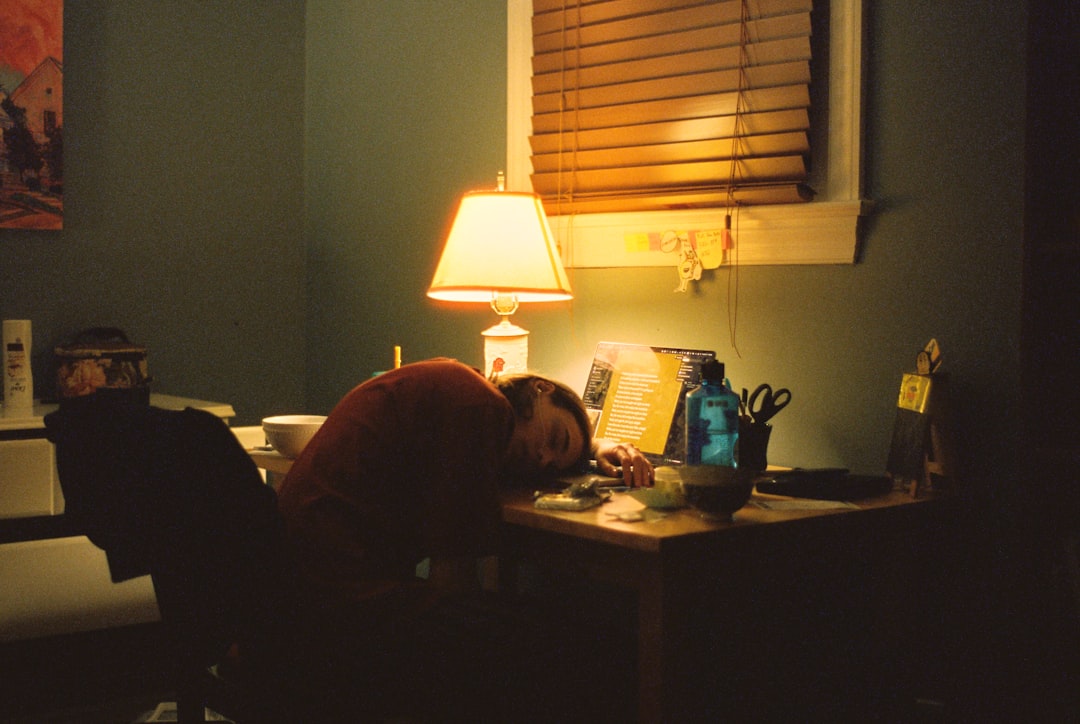
“Weekend ended” quotes often reflect the emotional hangover from a week without balance. If the weekend is the only time people feel like themselves, it’s a signal that something needs adjusting.
Finding Peace in the Transition
Instead of dreading Monday, people can view Sunday night as an opportunity to reset. Simple rituals—like preparing a healthy meal, journaling, or mapping out your upcoming week—can help you glide into it more gracefully. Even a subtle shift in mindset can make a major difference.
Here are a few tips to lessen the blow of weekend’s end:
- Use Sunday evening to plan something fun for Monday. This could be a favorite breakfast or meeting a friend after work.
- Avoid digital overload. Many people spend Sunday doom-scrolling, which adds unnecessary stress.
- Meditate or practice gratitude. Reflecting on what you enjoyed over the weekend and setting positive intentions can improve your mental clarity.
When these practices become routine, the “Sunday Scaries” become less intense, and “weekend ended” jokes might even come with a smile instead of a groan.
Quotes as Emotional Checkpoints
It’s easy to dismiss “weekend ended” quotes as fluff, but they often serve as emotional barometers. They tell us when the scales have tipped too far toward work, and they highlight the collective yearning for more joyful, unstructured time.
Some people use quotes to hide their real feelings, while others post them as conversation starters. In either case, the emotional weight behind these phrases matters. Observing how often we relate to or post such quotes can actually act as a self-check-in: Do I need more rest? Am I neglecting my social life? Do I feel fulfilled at work?

From Humor to Healing: Using Quotes to Promote Balance
Words are powerful. When we engage with quotes that articulate our fatigue or lack of balance, we can either accept the emotion and move through it—or we can use it as a prompt for deeper inspection. Why does this quote resonate? What would I need to feel differently on a Sunday night?
Some companies and leaders have even started using “weekend ended” quotes to foster dialogue about employee well-being. Team check-ins on Mondays aren’t just about tasks anymore—they’re about emotional health, relaxation habits, and even sharing memes that made people laugh.
In this way, a once-funny phrase can become a seed for creating a more balanced, emotionally intelligent work culture.
Frequently Asked Questions (FAQ)
1. What are “weekend ended quotes”?
These are humorous or reflective sayings people often share at the end of the weekend to express their feelings about returning to work or daily responsibilities. They usually highlight a mix of humor, disappointment, and a desire for more rest or free time.
2. Why do people resonate so much with these quotes?
Because they are relatable! Almost everyone feels some form of reluctance when Monday approaches. These quotes often capture those emotions in funny or poetic ways, creating a sense of camaraderie.
3. How do these quotes relate to work-life balance?
Frequent emotional resistance to weekdays may indicate poor work-life balance. If people dread weekdays consistently, it suggests that their job or routine may be too stressful or unfulfilling.
4. Can using “weekend ended” quotes be helpful in the workplace?
Yes! When used appropriately, they can open the door to honest conversations about morale, stress management, and cultural values within a team or organization.
5. How can I ease the transition from weekend to workweek?
Some effective practices include planning something enjoyable for Monday, winding down mindfully on Sunday, avoiding digital overload, and reflecting on positive moments from the weekend.
6. Should I be concerned if I regularly dread the end of the weekend?
It might be worth evaluating your work-life balance, career satisfaction, and self-care routines. Constant dread could be a sign of deeper dissatisfaction or burnout that needs attention.
Conclusion
Underneath their humor and relatability, “weekend ended” quotes speak volumes about the modern workplace and our individual struggles with balance. While they can offer comfort and unity, they also serve as a subtle reminder: it might be time to pause, reassess, and find a healthier way to move between work and life. After all, the goal isn’t to dread Mondays less—it’s to love each day a little more fully.


