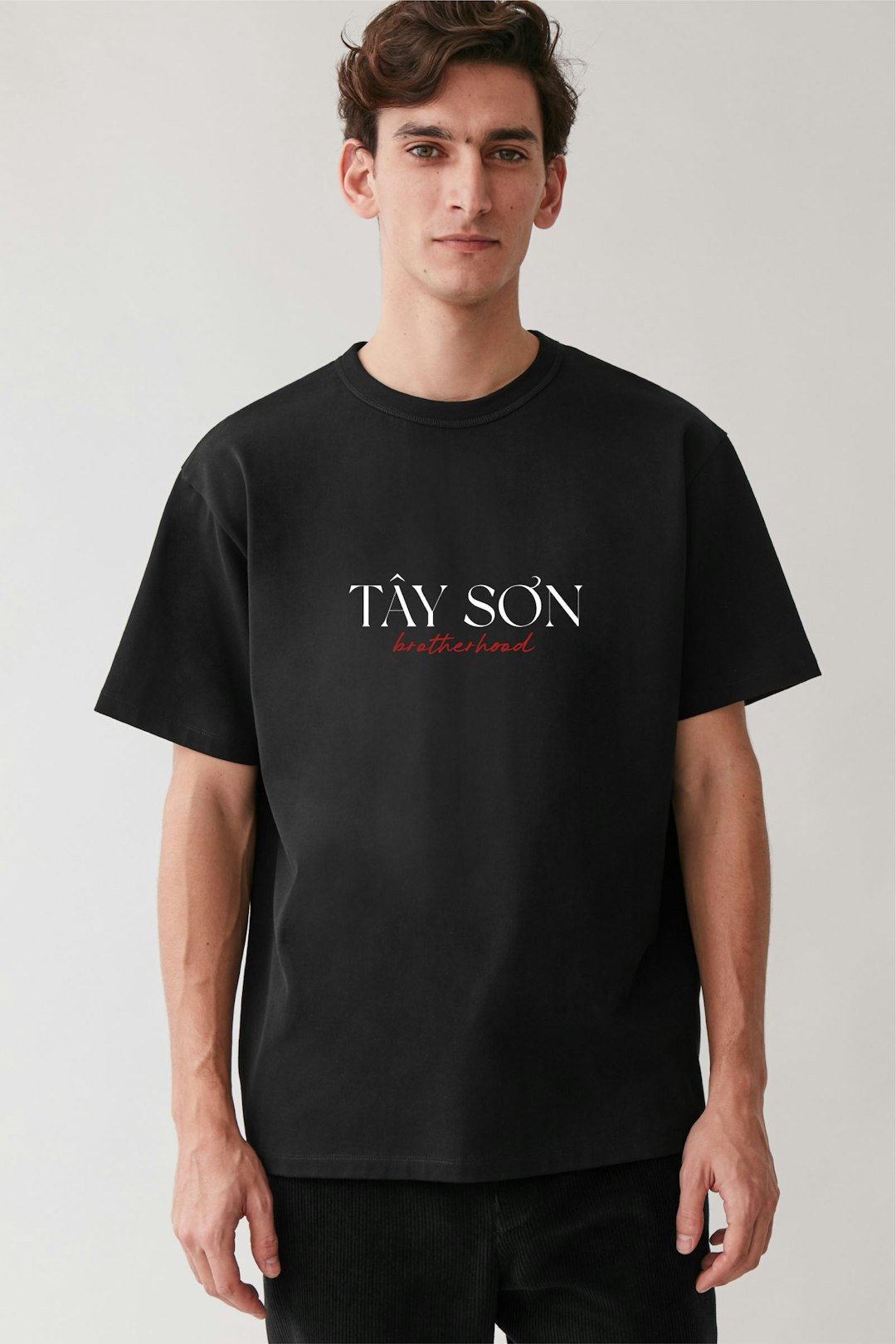
In the heart of Japan’s bustling capital, a fashion movement continues to evolve, coexist, and define cultural identity for generations — streetwear. Among the countless expressions of Tokyo’s vibrant fashion scene, one standout element repeatedly surfaces: the iconic Japanese T-shirt. From bold Kanji prints to intricately embroidered tigers, these seemingly simple garments carry profound cultural and stylistic meaning.
TL;DR (Too Long; Didn’t Read)
Japanese streetwear is more than clothing—it’s a cultural statement. T-shirts serve as canvases for artistic expression, mixing heritage symbols with modern aesthetics. Brands like Tokyo-Tiger have popularized the genre by blending traditional Japanese iconography with Western street style influences. This article explores the history, symbolism, and significance behind Japan’s most iconic streetwear tees.
The Roots of Japanese Streetwear
Japan’s streetwear culture didn’t emerge overnight. It was born from decades of experimentation, societal flux, and a deep appreciation for craftsmanship. In the post-war period, Japan began consuming American pop culture with fervor, importing denim, rock music, and eventually the idea of youth-driven fashion. By the 1990s, cities like Tokyo—especially neighborhoods like Harajuku, Shibuya, and Daikanyama—became playgrounds for fashion innovation.
Where the West focused heavily on labels and identity through branding, Japanese streetwear emphasized detail, story, and symbolic meaning. As T-shirts emerged as key pieces, they became visual texts – signifiers of both rebellion and respect for tradition.
Art Meets Textile: The T-Shirt As Canvas
An iconic Japanese streetwear T-shirt is never just a shirt. It’s a canvas for storytelling. In fashion hubs like Tokyo, you’ll often find T-shirts adorned with:
- Kanji calligraphy – Signifying strength, resilience, or spiritual ideas
- Mythical motifs – Dragons, tigers, and phoenixes representing power and transformation
- Woodblock-inspired prints – Referencing Edo-period art styles like those of Hokusai
- Pop culture mashups – Anime mixed with political or counter-culture commentary
Each element speaks to a deep cultural lexicon that blends ancient Japanese tradition with contemporary street relevance.
Image not found in postmeta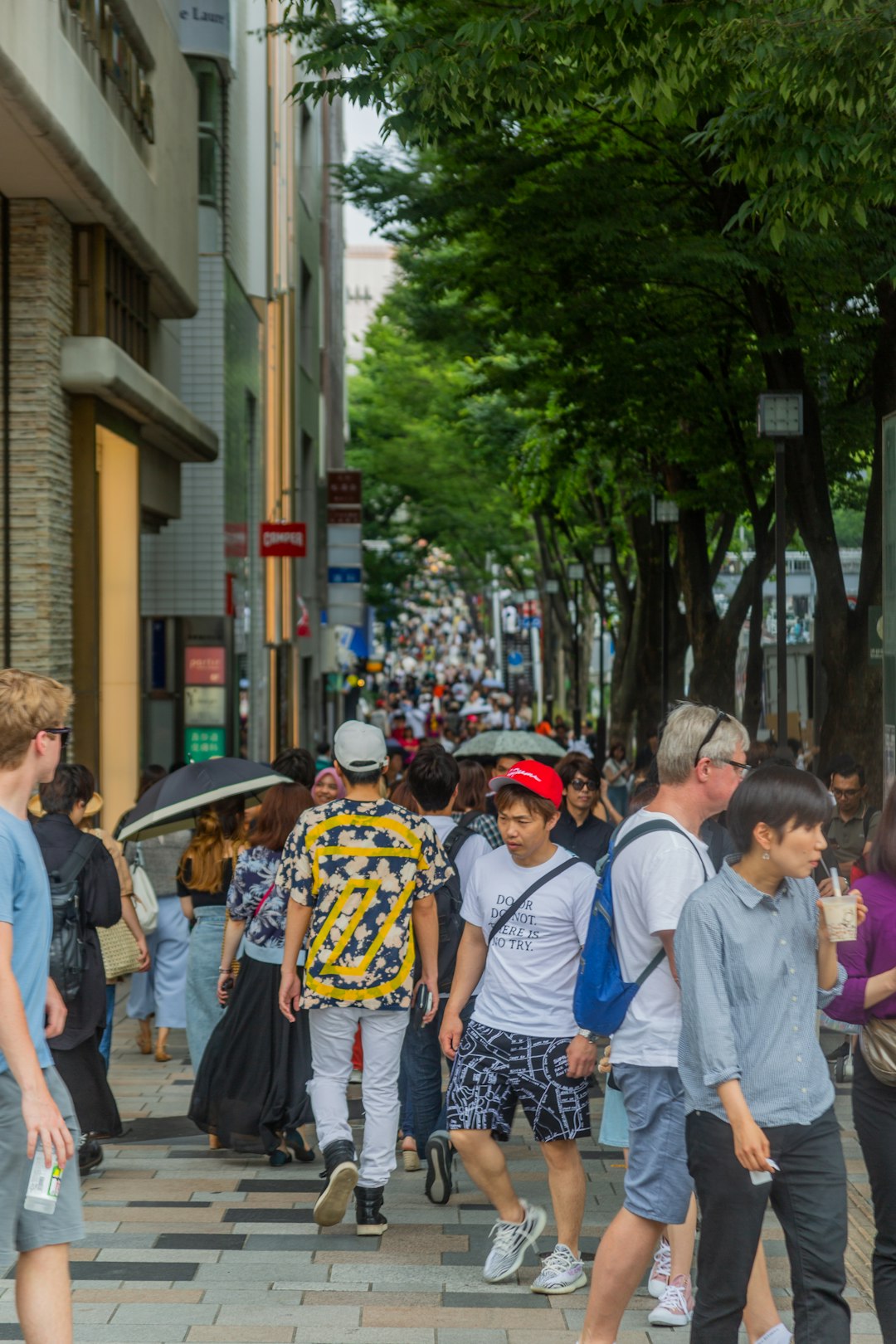
The Rise of Tokyo-Tiger: Tradition Meets Trend
One of the most prominent names in this space is Tokyo-Tiger, a fashion label that embodies the dual soul of Japanese streetwear—modern yet deeply rooted in heritage. Known for their limited-edition T-shirts, Tokyo-Tiger crafts designs that are heavily influenced by Yokai folklore, samurai aesthetics, and even Buddhist iconography. What sets the brand apart is its expert use of high-quality fabric, screen-printing techniques, and minimalistic, yet heavily symbolic graphic design.
Their most famous shirt, “Roaring Soul,” features a hand-inked tiger mid-pounce, surrounded by flaming lotus petals—both a nod to strength and spiritual awakening. It has been spotted on fashion influencers around the globe, from Tokyo to New York, and is a perfect representation of how fashion transcends geography when rooted in authentic expression.
Key Symbols Found in Iconic Japanese Tees
If you’re exploring Japanese streetwear, especially T-shirts, it helps to understand the symbolic language often used by designers. Here are some of the most common motifs:
- Tiger (Tora) – A symbol of courage, protection, and power in Japanese folklore
- Koi Fish – Perseverance and ambition, often depicted swimming upstream
- Sakura (Cherry Blossom) – The fleeting nature of life, a core concept of “mono no aware” (the pathos of things)
- Oni (Demon) – Representing inner demons, personal battles, and rebellion
- Mt. Fuji – Seen not just as a natural wonder but a spiritual symbol of endurance
While these images may seem purely decorative to an untrained eye, they carry deep meanings rooted in ancient literature, religion, and art.
Image not found in postmetaWhat Sets Japanese T-Shirts Apart?
There are several characteristics that elevate Japanese streetwear T-shirts beyond the ordinary:
- Quality Over Quantity – Brands often produce small batches with meticulous care. Fabric weight and stitching are integral to the finished product.
- Print Techniques – Techniques such as traditional hand-screening, dye sublimation, or even embroidery add texture and permanence.
- Cultural Nuance – Unlike many Western designs focused purely on aesthetics, Japanese tees typically have a philosophical or spiritual undercurrent.
- Minimal Commercial Branding – Logos, if present, are subtly placed. The focus remains on the art and message.
These elements appeal to collectors and cultural enthusiasts alike who see fashion not solely as a style statement but as an extension of deeper personal values.
Tokyo Streetwear Hotspots
If you’re looking to dive into the world of Japanese T-shirt street fashion, here are a few premier destinations within Tokyo:
- Harajuku – Known for extreme youth fashion and highly experimental street style
- Shibuya – A blend of urban grit and fashion-forward retail, home to many flagship stores
- Ikebukuro – Focused more on otaku culture, with anime and manga influence on shirt designs
- Shimokitazawa – Indie vibes, thrift finds, and emerging designer tees
Each neighborhood tells a different story, offering a unique lens into how Japanese culture interfaces with modern global aesthetics.
Modern Influences: East Meets West
The current generation of Japanese streetwear designers is increasingly blending Western hip-hop, skate culture, and post-punk aesthetics with traditional Japanese artistry. Collaborations with international brands have also amplified their visibility. Yet, even as global influences seep into designs, the essence remains uniquely Japanese—a respect for detail, story, and identity.
American fashion students study Japanese streetwear syllabuses; Parisian catwalks echo Tokyo alleyway styles. It’s a full-circle moment in fashion where cultures do not clash but converse.
Why It Matters
Understanding the culture behind Japanese streetwear T-shirts allows wearers to move beyond superficial fandom into informed appreciation. Each piece is a dialogue: of past meeting future, of East colliding with West, and textile meeting philosophy. With brands like Tokyo-Tiger at the forefront, a simple cotton T-shirt transforms into a wearable art form, one infused with centuries of thought, culture, and unspoken messages.
Final Thoughts
Whether you’re a casual fashion enthusiast or a dedicated streetwear collector, understanding the rich tapestry behind Japan’s streetwear T-shirts—particularly those from culturally driven labels like Tokyo-Tiger—provides not only style inspiration but emotional and intellectual substance. When worn with awareness, these garments become more than fabric; they become storybooks of identity draped in history, philosophy, and symbolic artistry.


