
In the past decade, technology has started to deeply influence how our cities evolve. The emergence of the Internet of Things (IoT) has introduced a shift in how urban areas are designed, managed, and optimized for public use. From improving traffic flow to reducing energy consumption, IoT is bringing intelligence to infrastructure, enabling the concept of “smart cities” to become a tangible reality.
TL;DR: The Internet of Things (IoT) is reshaping urban planning by integrating real-time data collection, connectivity, and automation into public infrastructure. Cities are becoming more efficient, environmentally friendly, and citizen-focused through smart lighting, traffic systems, and data-driven planning. IoT’s influence brings benefits like better resource allocation, enhanced mobility, and more responsive emergency services. As connectivity expands, the future of urban living is set to become significantly smarter and more sustainable.
The Rise of Smart Cities
Urban population growth continues at an unprecedented rate, placing immense pressure on city infrastructure, transportation, housing, and utilities. Planners and local governments are turning to smart technology to cope with this demand. Smart cities use IoT devices—such as sensors, connected vehicles, surveillance systems, and smart meters—to collect and analyze massive amounts of data in real time.
This real-time data helps urban planners and engineers respond faster to challenges such as traffic congestion, water scarcity, electricity usage, and pollution. By leveraging this technology, city development becomes more proactive rather than reactive, improving quality of life and operational efficiency.
Improving Traffic and Transportation
One of the most immediate areas where IoT is making an impact is traffic management. With congestion costing cities billions in productivity and pollution, IoT-based traffic systems can offer more adaptive and efficient solutions. Smart traffic lights, GPS-equipped buses, and vehicle-detection sensors play a crucial role in improving transportation networks.
- Smart traffic signals can change light timing based on real-time flow of vehicles, reducing idle time and emissions.
- Connected public transport helps gather route and density data to optimize services and schedules.
- Sensor-based parking solutions help drivers find spots quickly, reducing unnecessary vehicle movement.
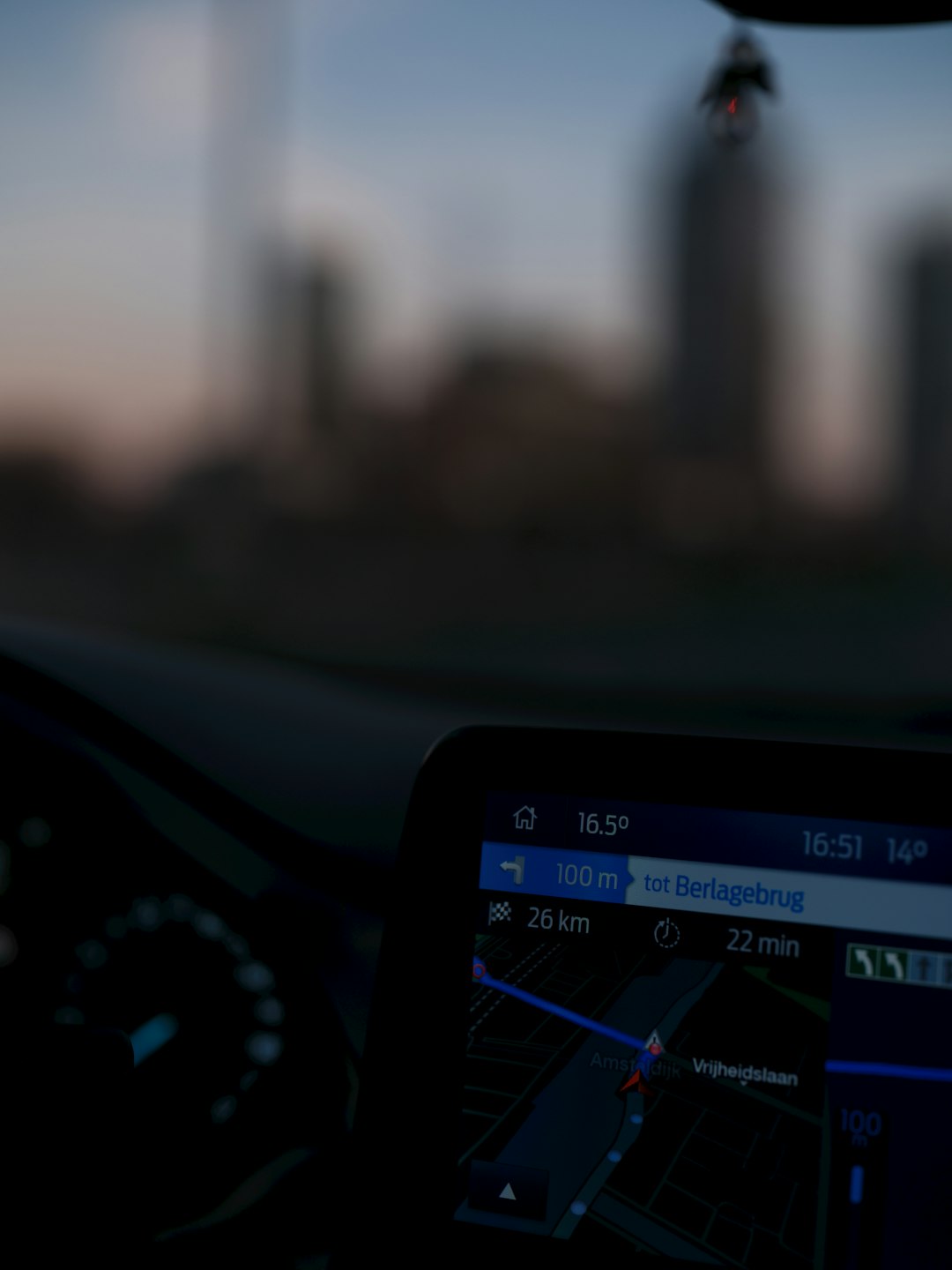
Planners can also use this data to identify infrastructure bottlenecks and make informed decisions about expansions or roadway modifications, allowing cities to grow sustainably and fluidly.
Optimizing Energy Consumption
As cities expand, energy demand skyrockets. Traditional grids are often inefficient and wasteful, but IoT introduces smarter ways to control consumption and distribution at both macro and micro levels. Smart grids and meters bring real-time transparency to how energy is produced, distributed, and used across an urban landscape.
IoT in energy planning includes:
- Smart meters that allow users to monitor their own consumption patterns and receive dynamic pricing.
- Connected HVAC systems in commercial buildings that adjust based on occupancy detected by motion sensors.
- Street lighting systems that dim or brighten based on pedestrian activity or time of night.

This not only reduces energy waste but also lowers operational costs for municipalities and homeowners. It’s a win-win result: better energy security and a smaller carbon footprint.
Making Waste Management Smarter
Effective waste management is another critical concern for urban planners. Overflowing bins and inefficient collection routes contribute to environmental and logistical challenges. IoT provides ways to smartly manage refuse and recycling processes.
For example, smart bins equipped with sensors monitor fill levels and notify city services when they need emptying. This prevents unnecessary collection visits while ensuring public areas remain clean.
Additionally, smart waste systems can:
- Track types and amounts of waste being generated in different neighborhoods.
- Help schedule optimized collection routes using data on traffic patterns and bin levels.
- Enable recycling facilities to better sort materials using AI and connected systems.
When integrated into broader city planning policies, these systems boost sustainability goals and help reduce urban pollution.
Enhancing Public Safety and Emergency Response
In safety and emergency response, seconds can make the difference between life and death. IoT empowers city systems to act faster and more precisely in responding to crises. Surveillance systems with AI capabilities and real-time gunshot detection sensors can alert authorities immediately. Similarly, buildings embedded with fire detection sensors can report hazards without human intervention.
- Connected street cameras can help track suspicious activity and support police investigations.
- Smart alarms can automatically contact emergency dispatch centers with exact location details.
- IoT-connected ambulances and traffic signals can coordinate to give emergency vehicles faster passage across busy roads.
This low-latency responsiveness contributes to safer urban environments and better disaster preparedness.
Urban Planning with Real-Time Data
Beyond immediate operational efficiencies, one of the most transformative aspects of IoT in urban planning is its long-term analytical power. Planners are no longer limited to relying solely on historical data or delayed census information. With IoT, they can access real-time insights on population movement, foot traffic, environmental changes, and public space utilization.
Consider this scenario: sensors embedded in street furniture and sidewalks monitor how pedestrians move through a park. That information can be used to redesign walkways, place benches where people naturally rest, or enhance lighting where activity is frequent at night. Urban space evolves based on actual behavior rather than assumptions.
Long-term benefits of this data-driven planning include:
- More precise zoning and land-use decisions.
- Improved infrastructure investments based on usage trends.
- Reduced urban sprawl through optimized space utilization.
Challenges and Future Outlook
Despite its many advantages, IoT in urban planning is not without challenges. Infrastructure upgrades can be expensive, raising questions about fairness and equitable access. Older cities may face compatibility issues with integrating new technologies. Data privacy and cybersecurity also remain pressing concerns, particularly with systems that monitor personal behavior or location data.
Nevertheless, with appropriate governance frameworks and public-private partnerships, cities can navigate these risks and continue to innovate. Advancements like edge computing and 5G connectivity will further empower IoT systems, pushing the boundaries of what smart cities can achieve in upcoming years.
Ultimately, IoT represents a paradigm shift in urban planning. It moves the industry from one of assumption-based design to data-informed action. Cities of the future will not only be more connected and efficient but also more attuned to the people they serve.
Frequently Asked Questions (FAQ)
-
What is IoT in the context of smart cities?
IoT refers to a network of interconnected devices that collect and share data in real time to optimize city infrastructure such as traffic systems, energy grids, and public safety mechanisms. -
How does IoT help in urban planning?
IoT provides real-time data that urban planners use to make informed decisions about traffic flow, energy use, infrastructure development, and emergency response. -
Are there privacy risks with IoT technologies?
Yes, IoT systems often collect data from public and private sources, which can raise issues related to data protection, user consent, and surveillance. -
What are some examples of IoT devices used in cities?
Examples include smart traffic lights, motion-sensitive street lamps, energy meters, connected surveillance cameras, garbage bin sensors, and weather/environment monitors. -
Can small cities implement IoT technologies?
Absolutely. While larger metros often lead adoption, many IoT applications—like smart lighting or waste tracking—are scalable and beneficial to smaller municipalities as well.


