
The opioid crisis has introduced a troubling range of visible and invisible warning signs, but one term that has recently gained attention is the “fentanyl fold.” Though not yet a formal medical diagnosis, the phrase is increasingly used to describe a distinct physical phenomenon seen in some individuals who use illicit fentanyl. As fentanyl continues to drive overdose deaths across communities worldwide, understanding subtle physical indicators may help families, healthcare workers, and the public recognize risk earlier.
TLDR: The “fentanyl fold” refers to a visible physical or behavioral sign sometimes observed in people heavily using fentanyl, often involving a characteristic body posture or head droop due to the drug’s intense sedative effects. It reflects fentanyl’s powerful impact on the central nervous system and can signal dangerous respiratory depression. Recognizing such signs may help identify overdose risk earlier and prompt timely intervention. While not a clinical term, it highlights the visible toll of synthetic opioids in the ongoing crisis.
What Is the Fentanyl Fold?
The term fentanyl fold generally describes the pronounced forward bending of the head and upper body that can occur when someone is under the heavy sedative influence of fentanyl. This posture is similar to what many people have informally called “the nod,” a semi-conscious state associated with opioid use. In extreme cases, individuals appear folded over at the waist, chin resting on chest, arms dangling or frozen in mid-motion.
While this phenomenon is not exclusive to fentanyl, it has become more commonly associated with the drug due to its:
- Exceptional potency (up to 50 times stronger than heroin and 100 times stronger than morphine)
- Rapid onset of action
- Short duration combined with intense sedation
- High risk of respiratory depression
The “fold” represents the point where sedation overpowers voluntary muscle control, yet the person has not fully lost consciousness. This can create a frozen, statuesque appearance that has become tragically familiar in areas hardest hit by fentanyl.

Why Fentanyl Causes This Physical Response
To understand the fentanyl fold, it helps to know how opioids affect the body. Fentanyl binds strongly to mu-opioid receptors in the brain, which regulate pain, pleasure, breathing, and alertness. When activated intensely, these receptors produce:
- Profound pain relief
- Extreme euphoria
- Heavy sedation
- Slowed breathing
- Reduced heart rate
Because fentanyl is so potent, even a tiny dose can dramatically suppress the central nervous system. The brain’s signals to maintain posture and alertness weaken. Muscles relax. The neck droops. The knees may bend slightly. Yet the individual may not completely collapse because the drug’s effects fluctuate rapidly.
This creates a paradoxical state: the body is partially awake but neurologically suppressed.
Experts believe the fentanyl fold may also reflect intermittent consciousness. As blood oxygen levels dip due to slowed breathing, the brain struggles to maintain awareness. Small shifts in oxygen and fentanyl concentration may produce the characteristic swaying or forward bend.
How It Differs From Heroin Use
Although heroin also causes nodding, fentanyl’s effects are typically:
- Faster
- More intense
- Shorter in duration
- Less predictable
Users often do not know how much fentanyl is in a substance they’ve purchased. It is frequently mixed with heroin, cocaine, methamphetamine, and counterfeit pills. This unpredictability increases the likelihood of sudden, severe sedation.
Unlike prescription opioid misuse of the past, illicit fentanyl markets produce inconsistent potency levels. This volatility contributes to more dramatic physical presentations — including deeper folds, abrupt muscle weakness, and near-immediate respiratory distress.
The Link to Overdose Risk
The fentanyl fold is not just visually striking; it can be a warning sign of impending overdose. When someone appears folded over and barely responsive, it may indicate:
- Dangerously slow breathing
- Low oxygen saturation
- Decreased responsiveness
- Risk of cardiac arrest
Respiratory depression is the primary cause of opioid overdose death. As breathing slows, carbon dioxide builds up in the bloodstream. Oxygen drops. The brain, heart, and vital organs begin to fail.
Common overdose signs accompanying the fold may include:
- Blue or gray lips and fingernails
- Gurgling or choking sounds
- Pinpoint pupils
- Cool or clammy skin
- Inability to wake the person
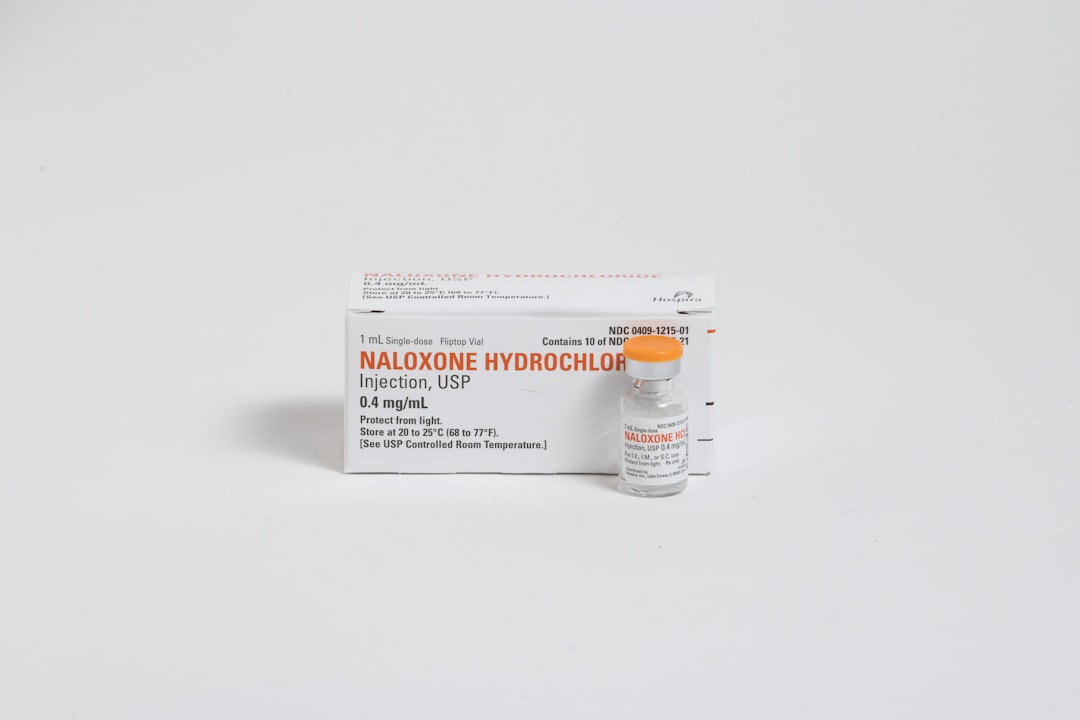
If someone cannot be roused or is breathing very slowly (fewer than 8 breaths per minute), emergency services should be contacted immediately. Administration of naloxone (Narcan) can reverse opioid effects if given in time.
A Symbol of the Modern Opioid Crisis
The fentanyl fold has become a stark visual symbol in many cities. Photographs and videos shared by journalists have shown individuals bent forward on sidewalks, bus stops, and street corners, seemingly frozen in place. These images have sparked public debate, compassion, criticism, and urgent calls for policy reform.
Beyond shock value, the phenomenon underscores several realities of the modern crisis:
- The rise of synthetic opioids over plant-based drugs
- The shift from prescription misuse to illicit supply chains
- Increasing contamination of non-opioid drugs with fentanyl
- The growing unpredictability of street substances
In many communities, fentanyl has fundamentally altered the landscape of addiction. Overdose deaths have risen sharply in the past decade, with synthetic opioids accounting for the majority of fatalities.
Why People “Freeze” Instead of Collapse
One question often asked is why individuals exhibiting the fentanyl fold do not always fall to the ground. The answer lies in how opioids affect motor pathways.
Fentanyl suppresses activity in areas of the brain that regulate wakefulness, including the reticular activating system. However, it does not always completely inhibit spinal reflexes or baseline muscle tone. In some cases, users remain barely upright due to residual muscle rigidity — a known fentanyl side effect at higher doses.
This rigidity, combined with sedation, can create a temporarily “locked” position. Some toxicologists have compared it to a neurological tug-of-war between collapse and tension.
Eventually, though, if the dose is high enough, the person may slump or lose consciousness entirely.
Public Health Implications
Recognizing physical signs like the fentanyl fold has practical value in harm reduction and emergency response. Outreach workers, first responders, and even bystanders trained in overdose awareness are often taught to look for early sedation cues.
Public health strategies that address fentanyl-related risks include:
- Widespread naloxone distribution
- Fentanyl test strips to detect contamination
- Supervised consumption sites (in some regions)
- Medication-assisted treatment such as buprenorphine or methadone
- Public education campaigns
These measures aim to reduce fatal overdoses while connecting individuals to longer-term treatment and support services.

The Human Side of the Image
While the fentanyl fold may appear dramatic or unsettling, it is important to humanize what it represents. Each person experiencing this posture is someone coping with substance use disorder — a chronic medical condition influenced by genetics, trauma, mental health challenges, and socioeconomic factors.
Stigma can prevent individuals from seeking help. Images of the fold are sometimes used to criticize or shame communities, but experts warn that such responses are counterproductive.
Evidence increasingly supports viewing addiction as a health condition rather than a moral failing. Compassionate approaches — including trauma-informed care and accessible treatment — have been shown to improve outcomes.
How Communities Can Respond
Communities facing visible fentanyl use often struggle to balance public safety, empathy, and resource limitations. Productive responses tend to involve multiple coordinated efforts:
- Improved access to addiction treatment
- Mental health services
- Housing support programs
- Employment assistance
- Coordination between healthcare, law enforcement, and social services
No single intervention solves the crisis. However, data consistently shows that increasing treatment availability reduces overdose mortality.
Prevention and Awareness
Prevention efforts now extend beyond traditional opioid users. Because fentanyl is frequently mixed into non-opioid substances, people who believe they are taking only stimulants or counterfeit prescription pills may also be at risk.
Educational campaigns advise:
- Never using alone
- Carrying naloxone
- Testing substances when possible
- Starting with small amounts due to potency variability
Family members can also learn to recognize early overdose signs and respond quickly.
Looking Forward
The fentanyl fold is more than a posture — it is a visible marker of a powerful synthetic drug reshaping the opioid epidemic. As fentanyl continues to dominate illicit markets, awareness of its unique effects may help communities respond more effectively.
Medical research continues to examine trends in overdose patterns, toxicity levels, and potential new reversal strategies. At the same time, prevention, treatment access, and addressing root causes remain essential.
Ultimately, understanding phenomena like the fentanyl fold helps shift the conversation from abstract statistics to tangible human impact. Behind every folded figure is a life at risk — and an opportunity for intervention, recovery, and hope if help arrives in time.


