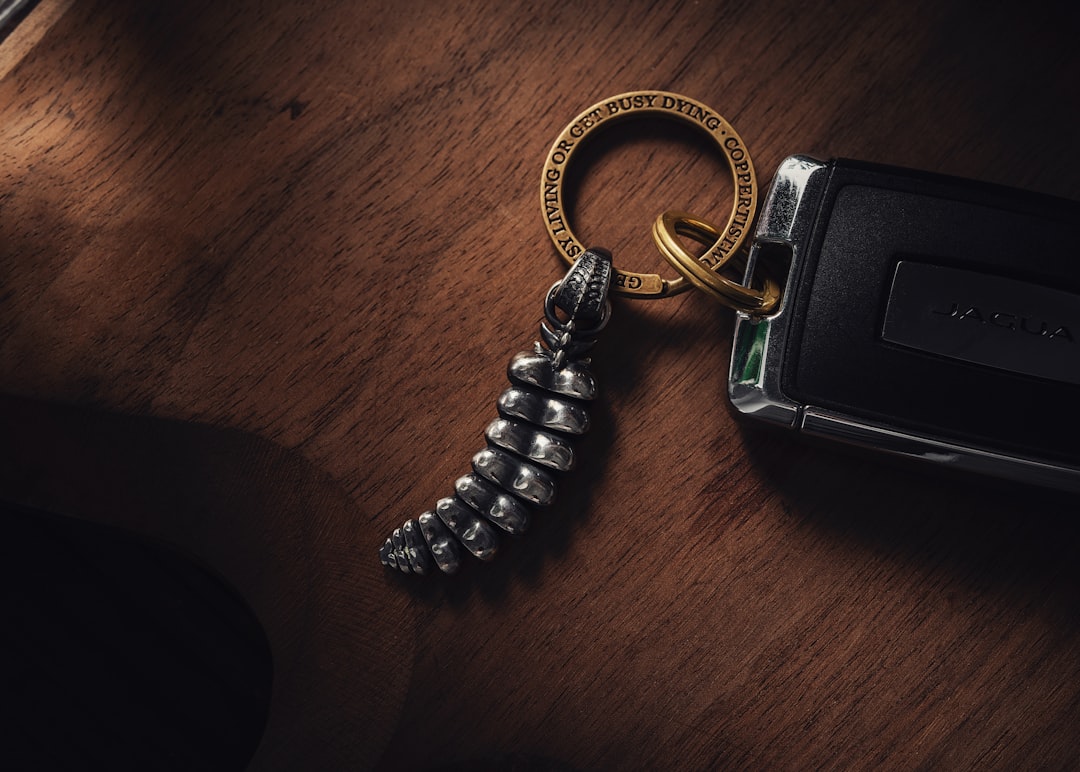
Have you ever found yourself standing next to your car, pressing the buttons on your key fob repeatedly, only to realize it isn’t working? A non-programmed or deprogrammed key fob can be frustrating, especially if you rely on it daily to lock, unlock, or start your vehicle. Fortunately, programming a key fob is often a straightforward process that you can do yourself without needing a technician or a hefty bill from the dealership.
TL;DR
Programming a key fob involves accessing your car’s ignition or onboard diagnostics to pair the fob with the vehicle’s system. Procedures vary depending on the make, model, and year of your vehicle. While many cars allow DIY programming, some require a professional or specialized equipment. When in doubt, always refer to your vehicle’s manual or consult the manufacturer.
What is a Key Fob?
A key fob is a small, handheld remote control that allows you to perform keyless entry functions such as unlocking doors, opening the trunk, and even remote starting your vehicle. Most modern key fobs operate using radio frequency identification (RFID) signals, which communicate with a receiver unit in the vehicle.
Why Might You Need to Program a Key Fob?
There are several situations where programming your key fob may become necessary:
- You’ve purchased a replacement or spare key fob.
- The original fob was lost or damaged.
- The key fob was reset or its battery was replaced.
- You’re transferring the fob to a new or used car.
Before You Start
Before diving into the key fob programming process, take a few essential steps:
- Check your owner’s manual: Some vehicles require specific sequences or tools.
- Have all key fobs ready: Programming may erase previous data, so you’ll want to program all the fobs you plan to use at once.
- Know your vehicle’s year, make, and model: Procedures can vary significantly based on the vehicle.
- Ensure the fob is compatible: Not all key fobs are universal. Make sure yours matches the manufacturer specifications.
Step-by-Step Guide to Program a Key Fob
The steps can vary by vehicle, but the most common programming method used for many models follows a general sequence. Let’s explore the basic DIY method below:
Step 1: Get into Your Vehicle
Sit in the driver’s seat and close all the doors. This avoids being interrupted during the process and ensures the vehicle enters programming mode properly.
Step 2: Insert the Key into the Ignition
Insert your metal key (even if your car is push-start, you may need to use a backup key slot) and turn it to the “On” position without starting the engine. Some cars require turning the key multiple times to enter programming mode. For example, turning the ignition from “Off” to “On” 8 times quickly might initiate the system in certain Ford models.
Step 3: Enter Programming Mode
Most cars provide a signal such as a chime or the door locks cycling to indicate you’re in programming mode. If nothing happens, repeat the ignition cycling or consult your owner’s manual.
Step 4: Press a Button on the Key Fob
Once in programming mode, press any button on the key fob within a few seconds. You might hear the door locks engage again, confirming successful registration.
Step 5: Repeat for Additional Fobs
If you have other fobs to program, press a button on each one immediately. Don’t turn off the ignition until all remotes are programmed.
Step 6: Exit Programming Mode
Turn the ignition to the “Off” position and remove the key. Test each key fob by locking/unlocking the doors and, if applicable, starting the engine.
Key Fob Programming Tips
- Use new batteries: Weak batteries can interfere with the signal during programming.
- Be quick: Some vehicles give you limited time (as little as 10 seconds) to complete each part of the process.
- Avoid interruptions: Ensure no one opens a door or window while you’re programming.
- Label your fobs: If you’re programming multiple, label them to avoid confusion later.
When DIY Doesn’t Work
Some manufacturers, like BMW, Mercedes-Benz, or modern high-security vehicles, require specialized diagnostic tools or dealership-level software to program the key fob. In such cases, DIY might not be feasible without:
- OBD-II programming tools
- Authorized software tools
- VIN-based authentication procedures
Cost of Programming a Key Fob
If programming isn’t possible on your own, expect to pay a professional. Typical pricing ranges include:
- Dealership: $50–$250 depending on the vehicle and location.
- Independent locksmith: $40–$150 for labor and programming.
- Online retailers: Some retailers offer self-programming guides or include the fob with instructions.
Can You Program a Key Fob Without the Original?
This depends entirely on the vehicle. Some cars allow programming new fobs from scratch, while others require at least one existing, working fob to duplicate authorization codes. If the original is gone, you might need a reprogramming through the dealership or a locksmith to reset the system entirely.
Using OBD-II Devices for Programming
Advanced do-it-yourselfers might use OBD-II programming tools to pair key fobs, especially for newer vehicles.
Examples of popular tools include:
- Autel MaxiIM series
- Advanced Key Programmer (AKP)
- OBDSTAR key programming tool
Note: Always ensure compatibility with your vehicle before purchasing a device.
Frequently Asked Questions
Can any key fob be programmed to my car?
No. Key fobs are not universal. They must match your car’s specifications and frequency range.
Does replacing the battery in my fob require reprogramming?
In most cases, no. However, if the battery was dead for an extended period, the signal may be lost and require reprogramming.
Is key fob programming safe?
Yes, as long as it’s done properly. Just be careful not to erase existing fobs unless you know exactly what you’re doing.
How do I know if my car supports DIY fob programming?
Consult your vehicle’s owner manual or search the manufacturer’s website. Older vehicles are more likely to support DIY programming.
Conclusion
Programming a key fob might sound complicated, but for many vehicles, it’s a manageable DIY task that can save time and money. Understanding your car’s compatibility and following the correct procedure is key. If you run into difficulty or own a more modern or luxury vehicle, don’t hesitate to consult a professional for help.
With a bit of preparation and patience, you’ll be back to remotely unlocking your doors and starting your engine with ease!


