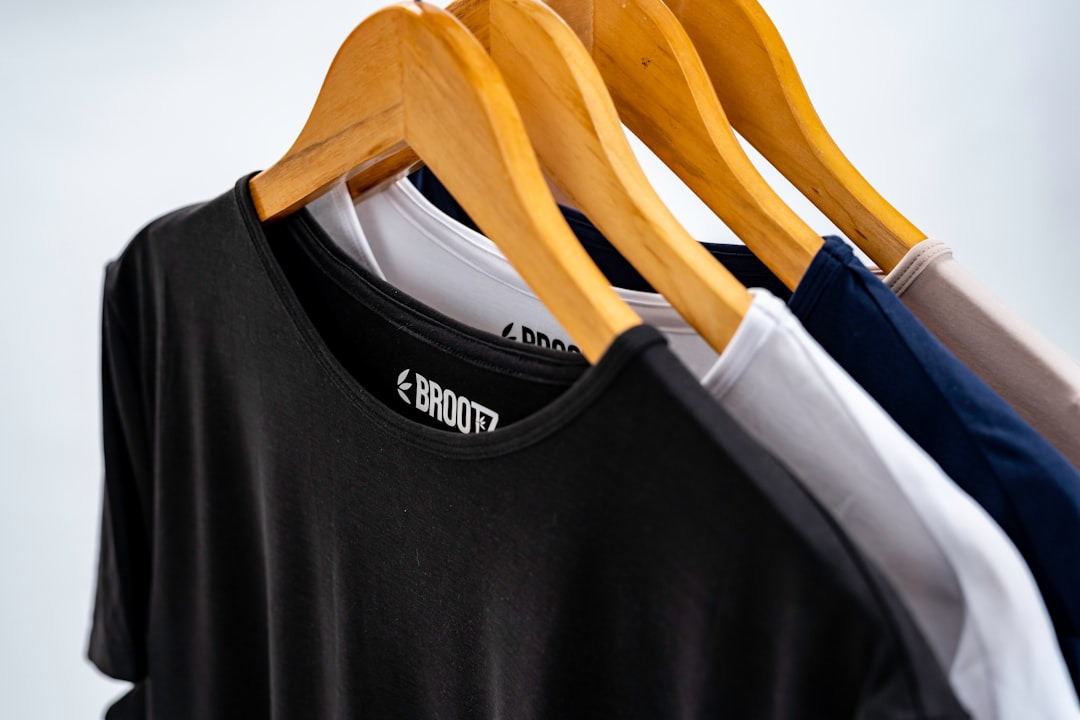
Launching a successful clothing brand in today’s digital landscape requires more than just great apparel and a stylish website. Without solid visibility in search engines, even the most compelling fashion line can go unnoticed. That’s where SEO steps in. A well-crafted SEO strategy serves as the backbone for online discoverability, helping your brand rise above the noise in a hyper-competitive market.
TL;DR:
SEO is essential for the growth and online visibility of any clothing brand. Focus on keyword research, on-page optimization, quality content, and backlinks to build a trustworthy digital presence. Maintain a consistent brand voice and optimize for local search if you have retail locations. Invest upfront in SEO to reap long-term results and sustainable web traffic.
Why SEO Matters for Clothing Brands
Your brand’s target audience is likely searching for fashion terms, specific clothing items, or outfit ideas through Google and other search engines. Without proper SEO, your website might be buried in the search results, making it difficult for potential customers to find you. Quality search engine optimization drives organic traffic, increases conversion potential, and lowers long-term advertising costs.
Understanding the Basics of SEO
Before diving deeper, let’s quickly define the three pillars of SEO that are critical for apparel businesses:
- Technical SEO: Ensures search engines can crawl and index your site efficiently. This includes mobile-friendliness, page speed, and structured data.
- On-Page SEO: Involves optimizing individual pages using relevant keywords, headers, and meta descriptions. Also includes image optimization and overall UX.
- Off-Page SEO: Relates to building authority through backlinks and brand mentions across reputable platforms and blogs.
Keyword Research: The Foundation of Clothing SEO
A strong SEO strategy starts with keyword research. Knowing the terms your potential customers search for helps you tailor your content accordingly. You should aim for a mix of high-volume, competitive keywords like “men’s streetwear” and more niche, lower-hanging fruit such as “organic cotton hoodies for women”.
Use tools like Google Keyword Planner, Ahrefs, or SEMrush to gather data on:
- Search volume
- Keyword difficulty
- Searcher intent
Also consider long-tail keywords, which may have less competition and higher conversion rates. For example: “summer linen dresses under $100”.
On-Page Optimization for Fashion Sites
Once you’ve nailed your keywords, it’s time to optimize the content on your website. Each product page is a valuable asset. Treat them like individual landing pages.
Important on-page elements include:
- Page titles & meta descriptions: Include target keywords and an engaging call to action.
- Header tags (H1, H2, H3): Use them logically to structure content.
- Image alt tags: Help search engines “see” your clothing images and improve accessibility.
- Internal linking: Connect related products, categories, and blog articles to create a flow for both users and bots.
Structure your URLs in a clean format like this: www.yourbrand.com/mens/jackets/winter-parka. Avoid messy dynamic parameters when possible.
Content Marketing for Clothing Brands
Gone are the days when just having a store was enough. Clothing companies must now also serve as content publishers. Why? Because content helps answer customer questions, builds trust, and ranks in Google searches.
Ideas for fashion-related content include:
- Style guides and seasonal lookbooks
- Behind-the-scenes designer stories
- How-to articles on dressing for occasions or body types
- Fashion trend forecasts and sustainability education
Use your blog to target informational keywords like “how to style utility pants” or “what to wear for a beach wedding.” Every useful piece of content adds SEO value and supports the customer journey.
Technical SEO Essentials
While your homepage and product descriptions are core, your underlying site architecture must support scalability and speed. Here are some important aspects:
- Mobile Responsiveness: A must for Google’s mobile-first indexing and user satisfaction.
- Fast Load Times: Compress images, use caching, and adopt a CDN to improve speed.
- Secure Site (HTTPS): Protect customer data and boost rankings.
- XML Sitemap & Robots.txt: Help search engines navigate your content efficiently.
If your store is large, consider adding structured data for your products, such as price, availability, and ratings. This enables rich snippets in Google SERPs, which improves click-through rates.
Image SEO for Visual Appeal
Fashion is visual. Your site likely relies on high-quality photography to inspire and convert shoppers. Optimize your images by:
- Using descriptive, keyword-rich filenames (e.g., black-cotton-crewneck-tshirt.jpg)
- Compressing images for fast loading
- Adding ALT text for each image to describe the contents and include relevant keywords
Local SEO for Stores and Pop-Ups
If your clothing brand has physical locations or hosts pop-up events, local SEO can increase foot traffic. Make sure to:
- Create and verify your Google Business Profile
- Use consistent NAP (Name, Address, Phone) information
- Include location-specific keywords on your website
- Encourage satisfied customers to leave reviews
This not only improves discoverability on Google Maps but also adds credibility to your brand.
Backlink Building: Boost Your Authority
Google takes into account how many reputable websites link back to yours when determining authority and rankings. For clothing brands, that means earning links from:
- Fashion blogs and magazines
- Influencer profiles and partnerships
- Press releases and PR campaigns
- Guest blog posts on lifestyle and trend websites
Build relationships with fashion writers, reach out for editorial features, or sponsor local fashion events and have them link to your pages. Avoid spammy or paid link schemes as they can do more harm than good.
Monitoring and Performance Tracking
SEO isn’t a “set it and forget it” tactic. Regularly measure your performance to understand what’s working and where improvements are needed.
Useful tools include:
- Google Search Console: Monitors clicks, impressions, crawl errors, indexing issues
- Google Analytics: Understands user behavior and top-performing pages
- Ahrefs/SEMrush: Tracks keyword rankings, competitors, and backlinks
Regularly update outdated content and identify new keyword opportunities based on what your audience is searching for.
Creating a Brand That Search Engines Love
SEO might seem technical, but at its core, it’s about helping people find what they need—and showcasing your brand as the trustworthy solution. In fashion, branding and user experience go hand-in-hand with SEO. Ensure consistency across:
- URL structures and formatting
- Product naming conventions
- Voice and tone in your copywriting
- Navigation and category pages
A customer should not only find you via search engines—they should be inspired to stay and shop once they land on your site.
Conclusion: Invest in SEO to Build a Lasting Fashion Brand
For a clothing brand, SEO isn’t an option—it’s a cornerstone of sustainable success. From conducting keyword research to fine-tuning technical details and publishing compelling content, SEO brings the


