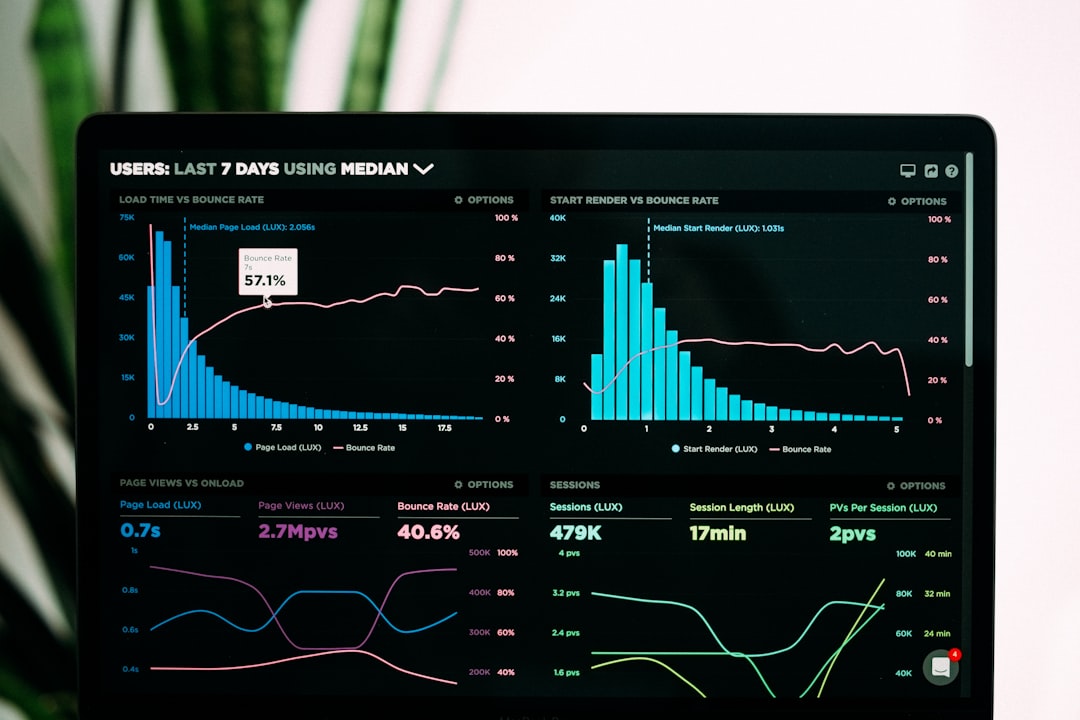
In the fast-moving world of digital products and startups, having the right analytics stack can be the difference between scaling at rocket speed and flying blind. Startups need tools that offer rich, Countly-level event tracking, but also make it easy to export data to modern data warehouses like Google BigQuery or ClickHouse. Whether for product insights, marketing attribution, or user behavior analysis, the ability to seamlessly segment and export event data on demand is a massive advantage.
TL;DR:
Startups seeking analytics power similar to Countly, with the added need for flexible and robust data exports to systems like BigQuery or ClickHouse, have some impressive tools at their disposal. Options like PostHog, RudderStack, and Mixpanel offer event-level tracking with granular customization and clean export paths. Open-source purists might lean toward Snowplow or Countly itself for deep integrations. The ultimate choice depends on your team’s technical ability and the depth of insights required from your data.
Why Event Tracking & Easy Data Export Matter
More than ever, product-driven teams rely on behavioral data from user interactions. Event tracking allows you to answer questions like:
- *Which features are used the most?*
- *Where do users drop off in the onboarding flow?*
- *Which marketing channel leads to the highest LTV customers?*
However, tracking is only half the battle. Unless your event data is easy to shift into a big data environment like Google BigQuery or the ultra-fast ClickHouse, your insights will remain confined to pretty dashboards, difficult to query or enrich with other data pipelines.
What’s needed is the ability to combine high-quality tracking with frictionless data engineering — and that’s where these top 6 tools come in.
1. PostHog – The Open Source Powerhouse With BQ/CH Support
PostHog has rapidly risen as a favorite among product-led startups. An open-source product analytics suite built for developers, it provides a robust set of features, including feature flags, session recordings, heatmaps, and, importantly, raw event access and data export.
Why startups love it:
- Self-hosted or cloud offering based on your needs
- Direct integrations with BigQuery and ClickHouse via plugins
- Events accessible via API or export for blending into data warehouses
- Rich SDK support for JavaScript, iOS, Android, and more
Use case: Ideal for dev-centric teams who want full control over their data layer yet don’t want to build internal tools from scratch.
Image not found in postmeta2. RudderStack – The Customer Data Pipeline For Engineers
If your goal is to collect, route, and store every interaction into various tools or warehouses, RudderStack is one of the most flexible options out there. Think Segment, but open-source and developer-first.
Key benefits:
- Direct connection to ClickHouse and BigQuery
- Event tracking SDKs and server-side integrations
- Schema evolution tracking and replay capabilities
- Transparent event pipeline for compliance and debugging
RudderStack doesn’t focus much on dashboards — that’s left to downstream tools. Instead, it treats your event data with respect by making it highly portable and auditable from day one.
This is especially useful when your analytics function is built upon external dashboards, BI tools like Looker, or homegrown solutions.
3. Mixpanel – The OG Event Analytics Platform (Now Export-Ready)
Mixpanel has been a household name in product analytics for years. What’s changed recently is its growing compatibility with modern data stacks. Recent releases allow users to export raw events using project-level APIs or connect pipelines to Google BigQuery.
Why it’s still relevant:
- Intuitive interface for product managers and designers
- Event-based cohorting and funnel tracking
- New export capabilities via Warehouse Connects (BQ support)
- Strong documentation and support community
If you crave a visual, drag-and-drop interface and want data engineering flexibility just under the hood, Mixpanel hits a sweet spot.
4. Snowplow – The Data Engineer’s Dream
Aimed at engineering-heavy teams, Snowplow offers complete ownership of event tracking infrastructure. Unlike others, Snowplow allows you to define custom event schemas and guarantees extremely rich behavioral data output.
What sets it apart is a deep ability to transform and model event data before storing it – and then stream it seamlessly into BigQuery, Snowflake, Redshift, or ClickHouse through its pipeline.
Image not found in postmetaGreat for teams that:
- Need raw, high-quality behavioral data for ML and real-time analytics
- Have strong DevOps or data engineering capabilities (it’s not plug-and-play)
- Plan to use their own BI layer or data product surface
Think of it as the data layer under your startup’s brain – feeding clean, structured information into models, dashboards, and experiments.
5. Countly – For Those Who Still Want the Real Deal (With Export Paths)
Countly still has a unique role for teams who want complete autonomy over analytics while sticking to its expansive, modular architecture. Though often self-hosted, Countly’s premium features offer database export options — a blessing for those tying into BigQuery or ClickHouse indirectly.
Core benefits:
- Custom plugins for push, notifications, or data syncs
- On-premise licensing for strict data governance
- Data export APIs and integration with ETL pipelines
- iOS, Android, and web SDKs out of the box
It’s especially popular in verticals with strict data controls such as finance, healthcare, or education-tech.
6. Segment (Twilio) – The OG Customer Data Platform
Segment remains a top-tier choice due to its plug-and-play nature, extensive destinations list, and downstream support for big names like BigQuery, Snowflake, Redshift, and more. It supports real-time event ingestion that flows into virtually any part of the modern analytics stack.
Why it works even now:
- Effortless connection of apps and websites to data warehouses
- Logging and error tracking features built-in
- New SQL Traits & Audiences features that push advanced personalization
- ClickHouse support via community-developed pipelines or partner tools
The main drawback? It can get pricey fast as your daily event volume and workspace complexity grow.
What Should Guide Your Decision?
For startups, choosing among these six tools may seem daunting. Start with a clear sense of your use case:
- Need instant insights with product-friendly interfaces? → Mixpanel or PostHog
- You prefer owning everything, with data engineers on your team? → Snowplow or Countly
- You’re focused on clean and portable event pipelines? → RudderStack or Segment
Tip: Define your “source of truth.” If your main reports live in BigQuery or ClickHouse, prioritize tools that send raw event data there reliably, with full schema transparency.
Final Thoughts
The best startups treat data like a first-class citizen from day one — not just as a reporting requirement, but as an essential layer to inform product, growth, and revenue decisions. With the tools above, you don’t have to choose between product-oriented analytics and deep data science readiness.
Whether you choose PostHog’s open-source stack, Snowplow’s ultra-custom pipelines, or Segment’s plug-and-play ecosystem, you’re guaranteed the muscle to track everything, learn fast, and push product confidently into the future.
And remember, your analytics system is never “done”. Build it like your product: iterate often, test assumptions, and scale wisely.


