Software engineers are the architects of the digital world, writing the code that powers websites, applications, and systems that businesses and consumers rely on daily. Their role is not only technical but also deeply collaborative, pushing innovation while maintaining structure and efficiency. Understanding what a typical day entails for a software engineer can shed light on the complexity, creativity, and coordination that define this sought-after profession.
TL;DR (Too Long; Didn’t Read)
A software engineer’s day involves writing and reviewing code, attending meetings for planning and collaboration, debugging existing systems, and continuously learning and adapting. It’s a balance of technical execution and teamwork. Much of the work focuses on problem-solving and creative thinking within structured methodologies. A successful day hinges on communication, concentration, and a continuous feedback loop between planning and implementation.
Morning: Planning and Preparation
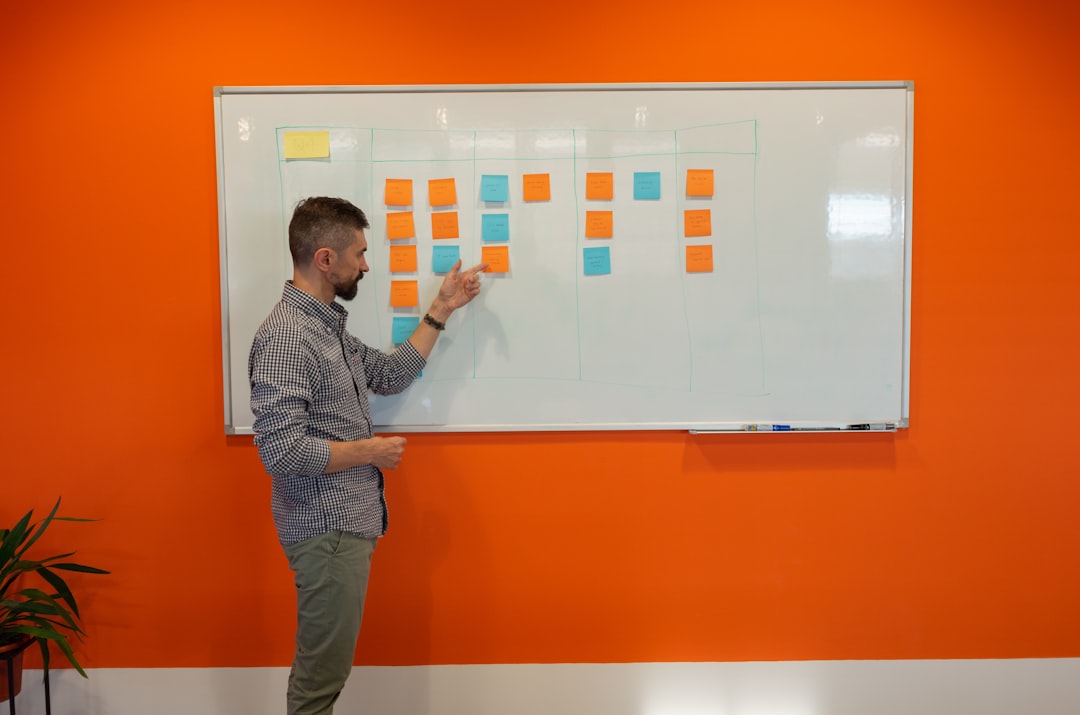
The day for most software engineers begins with preparation and goal-setting. Mornings usually kick off with a quick stand-up meeting—a part of Agile methodology—where team members gather to share what they worked on yesterday, what they plan to do today, and call out any blockers keeping them from progress.
Key morning activities include:
- Daily stand-up meetings to align team efforts.
- Code reviews from teammates for feedback or approval.
- Checking emails and communications on platforms like Slack or Teams.
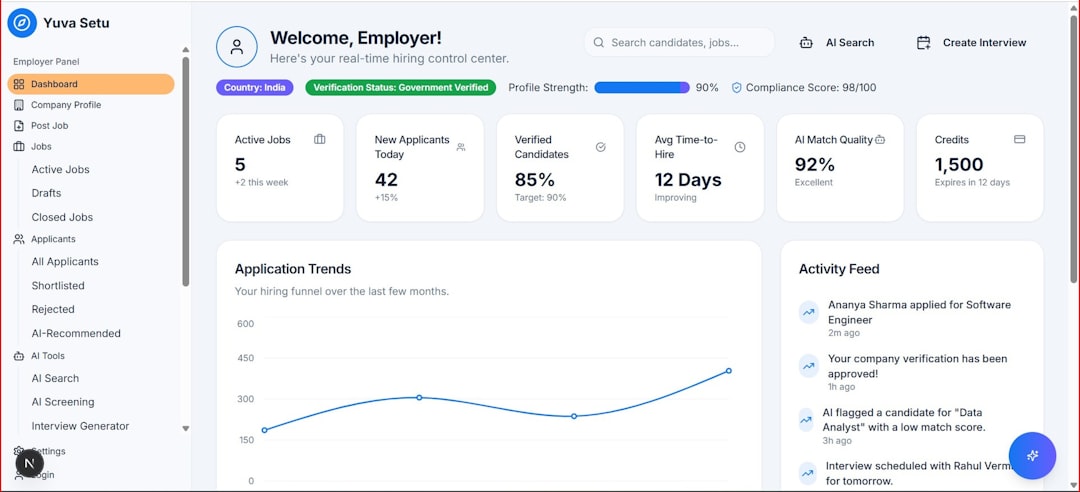
- Logging into project management tools such as Jira or Trello.
This time is critical to set clear objectives and prioritize pressing tasks for the day. Engineers also update documentation, examine bug reports, and strategize approaches to solving problems that emerged overnight.
Midday: Focused Development Work
The middle portion of the day is usually dedicated to deep work, where engineers focus on writing code and implementing features. Depending on the type of project and team structure, they may work on front-end interfaces, back-end logic, or full-stack components. This is also the most productive chunk of the day as distractions are minimized and tasks from the morning meeting are actively addressed.
Common tasks during midday include:
- Designing and coding new features.
- Refactoring old code for better performance or clarity.
- Implementing unit tests and integration tests.
- Collaborating with peers through pair programming or design discussions.
Engineers often rely on version control tools like Git during this time, creating branches for their tasks, committing code, and submitting pull requests for review. Agile methodologies and test-driven development help maintain structure and ensure that quality is an ongoing part of the engineering process.
This period may also include short meetings with UX designers, product managers, or DevOps engineers to align on functionality, deadlines, or deployment practices. Communication and collaboration tools like Zoom, Figma, and Confluence become essential here.
Afternoon: Debugging and Collaboration
As the day progresses into the afternoon, engineers often shift gears from feature development to problem-solving and collaboration. Bugs reported by QA teams or external users need investigation. This phase requires attention to detail and a logical mindset as engineers trace through logs and analyze error outputs to identify root causes.
Typical afternoon activities might include:
- Fixing newly reported bugs or technical debt.
- Responding to code review comments or reviewing other engineers’ code.
- Collaborating with product or support teams about critical issues.
- Preparing documentation on recent changes or design decisions.
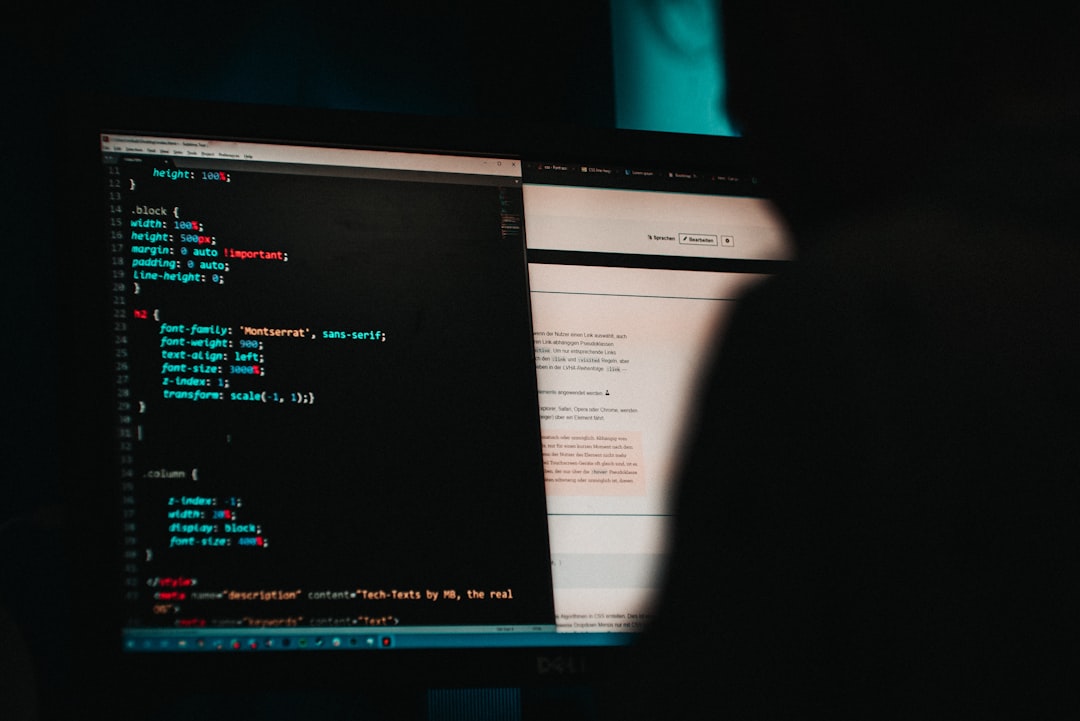
This part of the day is also when engineers finalize their tasks and ensure their work aligns with the broader sprint goals. If everything is in order, they might merge code into the main branch and trigger test pipelines or staging deployments. Configuration management, CI/CD workflows, and automated test systems play a key role here.
End of Day: Wrapping Up and Retrospection
Before logging off, software engineers usually perform a few wrap-up activities to ensure a productive handoff for the next day. This includes updating task statuses on project boards, writing up retrospectives in shared documents, or preparing for the next sprint planning session. It’s also a time for internal learning—many engineers dedicate the last minutes of the day to reading documentation, researching tools, or participating in chats and forums like Stack Overflow or GitHub Discussions.
The day officially ends when hands are taken off the keyboard, but many engineers often reflect informally on what worked well, what could be improved, and how to elevate the next day’s performance. A culture of retrospection and learning is what drives growth in software development environments.
The Variety of Software Engineering Roles
It’s important to note that not all software engineers follow the exact pattern described above. Depending on the focus area, responsibilities may shift:
- Front-End Engineers spend more time with JavaScript, CSS, and design tools, collaborating closely with UX/UI teams.
- Back-End Engineers deal with server logic, database performance, and API integration, often troubleshooting infrastructure issues.
- DevOps Engineers focus on automation, deployment, and monitoring, ensuring the system runs smoothly and scales efficiently.
- Full-Stack Engineers bridge the gap between front-end and back-end tasks and have a hand in nearly all development activities.
The tools and workflows slightly differ between these roles, but the underlying structure—a mix of coding, review, planning, and problem-solving—remains largely consistent.
Challenges and Rewards
Software engineering is both demanding and rewarding. Some of the top challenges include managing complex codebases, keeping up with the fast-paced evolution of technologies, and balancing multiple deliverables. Burnout is a risk, especially in deadline-driven environments.
However, the rewards are significant: the ability to solve meaningful problems, build tools that impact millions of users, and enjoy high levels of career mobility and compensation. For those who find joy in logic, creativity, and collaboration, it’s a career filled with ever-expanding horizons.
FAQs
- What programming languages do software engineers commonly use?
- It depends on the company and specialization. Common languages include JavaScript, Python, Java, C++, C#, and Go.
- How many hours do software engineers work per day?
- Most software engineers work 8 hours per day, but this can vary depending on deadlines, project complexity, and company culture.
- Do all software engineers work in teams?
- Yes, most software engineers are part of teams. Collaboration is essential for code reviews, debugging, and planning.
- How important are meetings in a software engineer’s day?
- While meetings are kept minimal in agile teams, daily stand-ups, planning sessions, and retrospectives are important for alignment and progress tracking.
- Do software engineers need a Computer Science degree?
- Not always. Many successful engineers come from bootcamps or are self-taught. However, a foundation in computer science principles is highly beneficial.
- Is remote work common in the field?
- Yes, many software engineers now work remotely or in hybrid setups, thanks to the digital nature of the job and availability of collaboration tools.
By breaking down their day into key segments, teams and aspiring developers alike can better appreciate the rhythm, responsibility, and rigor involved in a software engineer’s workday. The role blends logic with imagination, analysis with artistry—one line of code at a time.


