Luxury vacation rentals are no longer just about beautiful interiors and breathtaking views—they are about curated experiences, seamless service, and thoughtful details. Today’s discerning travelers expect more than a place to sleep; they want a stay that feels personalized, indulgent, and effortless. For hosts aiming to stand out in the competitive luxury market, a well-crafted guidebook is an essential tool that quietly communicates excellence, care, and professionalism.
TLDR: A luxury vacation rental guidebook is more than an information manual—it’s an experience enhancer. It should reflect your brand, anticipate guest needs, and provide clear, elegant guidance. Focus on personalization, local partnerships, convenience, and visual presentation. When done right, it elevates guest satisfaction, increases positive reviews, and strengthens your reputation as a premium host.
In this guide, we’ll explore the essential criteria for creating a luxury vacation rental guidebook that meets—and exceeds—the expectations of high-end guests.
1. Establish a Refined and Consistent Brand Voice
Your guidebook is an extension of your property’s identity. Whether your rental exudes modern minimalism, coastal elegance, or alpine exclusivity, the tone and design of your guidebook should match.
Consider the following:
- Language: Keep it polished, warm, and personalized.
- Visual design: Use high-quality typography, ample white space, and professional imagery.
- Consistency: Align colors, fonts, and tone with your website and listing profiles.
A luxury guest should feel they are reading a curated hospitality booklet—not a generic instruction manual.
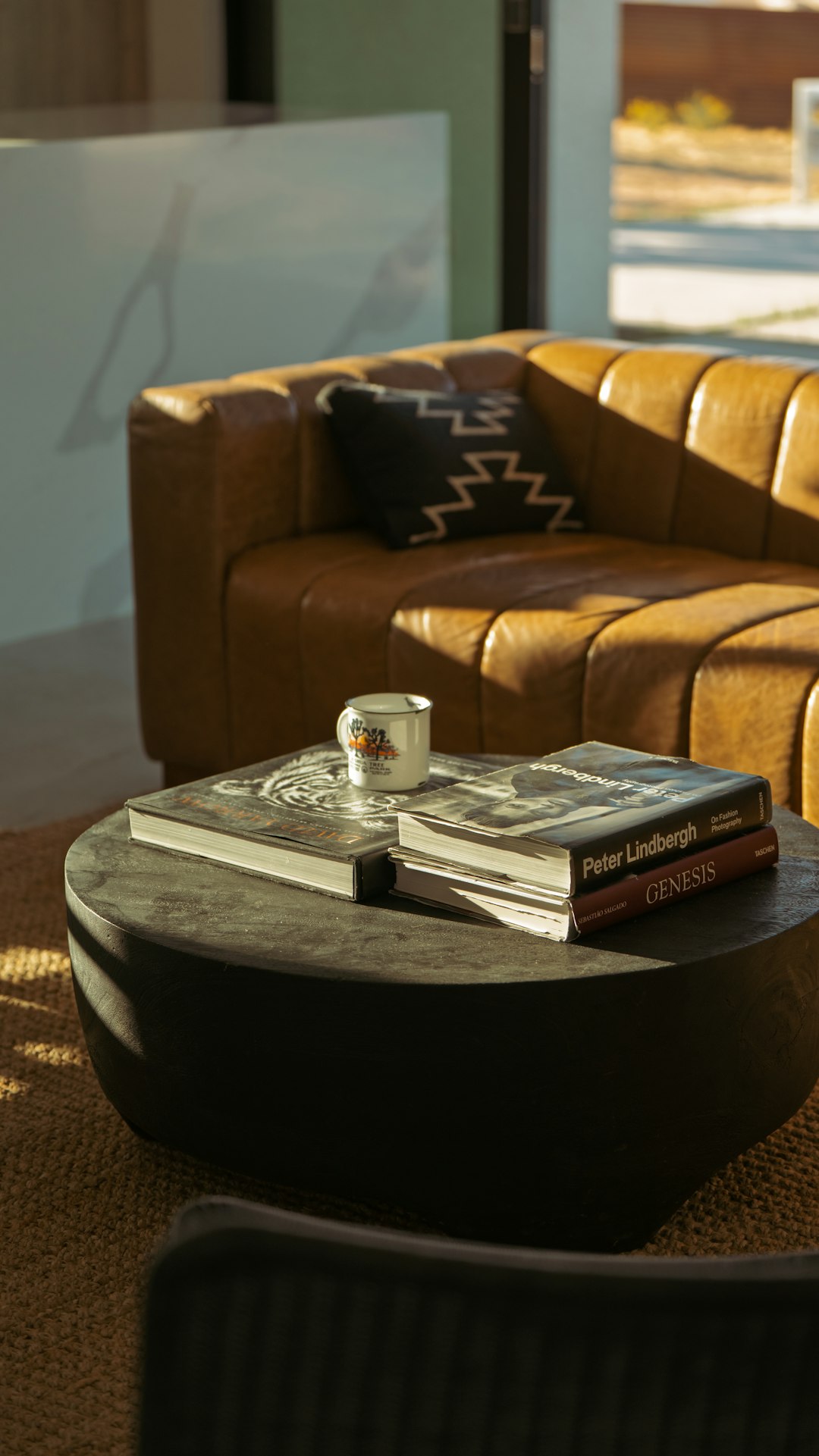
A luxury guidebook should feel intuitive. Guests do not want to sift through cluttered pages to find how to adjust the thermostat or book a private chef.
Organize your guidebook into clear sections, such as:
- Welcome & Property Overview
- Arrival & Departure Details
- Home Technology & Amenities
- Housekeeping & Maintenance
- Local Dining & Experiences
- Emergency Contacts
Include a clickable digital table of contents if your guidebook is online. For printed versions, use tabs or clearly defined page markers. The easier the navigation, the more premium the experience feels.
3. Offer High-End Local Recommendations
Luxury guests want insider access, not tourist traps. Your guidebook should function as a concierge replacement by offering exclusive local insights.
Enhance this section with:
- Curated restaurant lists featuring Michelin-starred or top-rated dining options
- Private experiences such as yacht charters, guided hikes, wine tastings, or spa services
- VIP services including private drivers, butlers, or in-home massage therapists
Whenever possible, include direct booking contacts and highlight partnerships. If you’ve negotiated preferred rates or priority reservations, mention it—it adds tangible value.
4. Include Detailed Amenity Instructions (Without Overwhelming)
Luxury homes often feature advanced technology: smart thermostats, heated pools, wine fridges, integrated sound systems, home theaters, and security systems. These are selling points—but only if guests can use them comfortably.
Best practices include:
- Step-by-step instructions with simple language
- QR codes linking to short video tutorials
- Troubleshooting tips for common issues
Keep instructions concise. A frustrated guest fiddling with a complicated control panel diminishes the luxury experience.
5. Customize for Your Target Guest Profile
Not all luxury travelers are the same. Some are families, others are corporate executives, honeymooners, or wellness retreats. Tailor portions of your guidebook accordingly.
Examples include:
- Family-focused rentals: Child-friendly restaurants, babysitting services, pediatric contacts.
- Corporate stays: Nearby executive meeting spaces, quiet cafes, private transportation options.
- Romantic getaways: Sunset viewpoints, private dining chefs, couples’ spa experiences.
The more relevant your suggestions feel, the more carefully curated your property appears.
6. Clarify House Policies with Elegance
Luxury does not eliminate the need for rules—but presentation matters. Replace stern directives with refined language.
Instead of writing:
“Do not leave trash outside.”
Try:
“To maintain the pristine surroundings, we kindly ask that all waste be disposed of in the designated bins located…”
Clarity avoids misunderstandings, while tone preserves the guest relationship.
7. Elevate the Visual Experience
Design distinguishes premium properties from standard ones. A high-quality guidebook should include:
- Professional property photography
- Local landscape imagery
- Elegant icons for amenity sections
- Maps with highlighted attractions
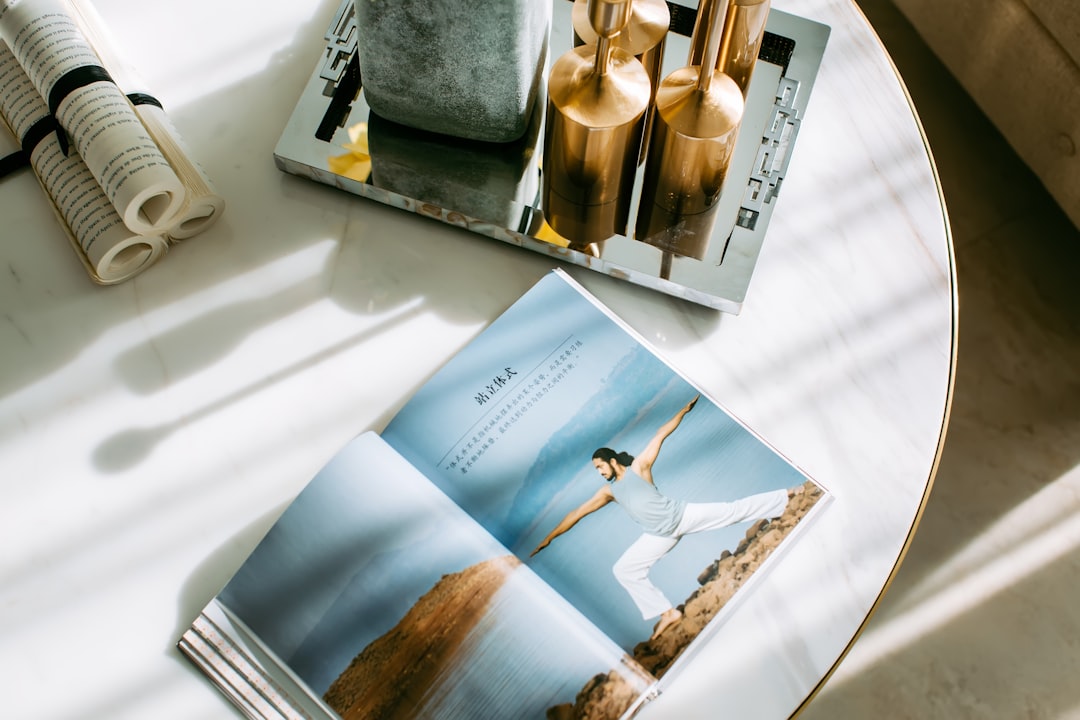
Consider hiring a designer to create a visually balanced layout. Luxury guests are accustomed to beautifully presented materials—from boutique hotel directories to high-end magazines. Your guidebook should feel similar.
8. Provide Both Digital and Printed Versions
Today’s luxury guests expect flexibility. Some prefer browsing on their phone pre-arrival; others appreciate a tactile booklet waiting in the villa.
Digital Guidebook Benefits:
- Easy to update
- Clickable links and maps
- Video integration
- Pre-arrival sharing
Printed Guidebook Benefits:
- Tangible convenience
- No device required
- Enhanced aesthetic appeal
- Feels premium when professionally bound
The ideal solution? Offer both formats for maximum convenience.
9. Include a Property Story
Luxury guests value authenticity. A short narrative about your property’s inspiration, architecture, or renovation story adds emotional depth.
You might mention:
- The architect who designed the home
- Locally sourced materials used in construction
- The cultural influence behind the decor
A property with a story feels intentional and memorable—not transactional.
10. Create an Emergency Section That Reassures
Discretion and preparedness are hallmarks of luxury hospitality. A well-structured emergency section should include:
- Local emergency phone numbers
- Nearest hospital and pharmacy
- On-call property manager contact
- Clear safety procedures
Keep instructions calm and concise. Guests should feel reassured, not alarmed.
11. Incorporate Sustainable Practices
Modern luxury often aligns with sustainability. High-end travelers frequently appreciate environmentally responsible properties.
Your guidebook can highlight:
- Recycling procedures
- Energy-efficient systems
- Locally sourced toiletries
- Water conservation efforts
When presented thoughtfully, sustainability enhances your brand’s prestige rather than appearing restrictive.
12. Leverage Tools to Build a Professional Guidebook
Several platforms can help luxury hosts create aesthetically pleasing and functional guidebooks. Below is a comparison of categories to consider:
| Tool Type | Best For | Pros | Cons |
|---|---|---|---|
| Design Software | Fully customized printed booklets | Maximum creative control, premium layouts | Requires design skills or professional hire |
| Digital Guidebook Platforms | Mobile friendly guest access | Easy updates, interactive links | Limited branding flexibility on some platforms |
| PDF Builders | Simple elegant documents | Shareable and printable | Less interactive functionality |
Your choice depends on your brand sophistication, budget, and guest expectations.
13. Add Memorable Finishing Touches
The final details make the difference between a “nice stay” and an unforgettable one.
- A handwritten welcome note referenced in the guidebook
- A personalized itinerary suggestion for multi-night stays
- A departure thank-you message encouraging direct bookings
These thoughtful additions transform your guidebook from an informational tool into a relationship-building asset.
Final Thoughts: Elevating Expectations
A luxury vacation rental guidebook is not merely a handbook—it is a statement of intent. It communicates attention to detail, care for guest comfort, and mastery of hospitality. In a market where travelers compare properties meticulously, small distinctions often influence five-star reviews and repeat bookings.
By focusing on clarity, design, personalization, and exclusivity, luxury hosts can transform a simple guidebook into a sophisticated extension of their service philosophy. When guests feel informed, inspired, and cared for before they even ask a question, you have successfully elevated the experience.
Ultimately, excellence in luxury hosting lies in anticipation. Your guidebook is where anticipation becomes art.


