Modern businesses rely heavily on data to remain competitive in crowded digital markets. From tracking user behavior to optimizing conversion funnels and forecasting sales performance, analytics tools play a central role in shaping strategy. The right combination of platforms can transform raw data into actionable insights that improve marketing campaigns, streamline sales processes, and enhance overall website performance.
TLDR: Analytics tools help businesses make informed decisions that improve marketing, sales, and website results. Platforms like Google Analytics 4, HubSpot, SEMrush, Hotjar, Tableau, Salesforce Analytics, and Mixpanel provide data-driven insights across the customer journey. By combining behavioral tracking, SEO monitoring, CRM analytics, and data visualization, companies can unlock measurable growth. Choosing the right tool depends on business goals, budget, and integration needs.
Below are seven powerful analytics tools that help organizations optimize performance across multiple digital touchpoints.
1. Google Analytics 4 (GA4)
Google Analytics 4 remains one of the most essential tools for tracking website performance. It offers detailed insights into user behavior, traffic sources, engagement metrics, and conversion events. Unlike previous versions, GA4 emphasizes event-based tracking, allowing businesses to measure interactions like video views, scroll depth, and downloads more effectively.
Key benefits include:
- Real-time traffic monitoring
- Custom event tracking and conversion setup
- Cross-device and cross-platform reporting
- AI-driven predictive metrics
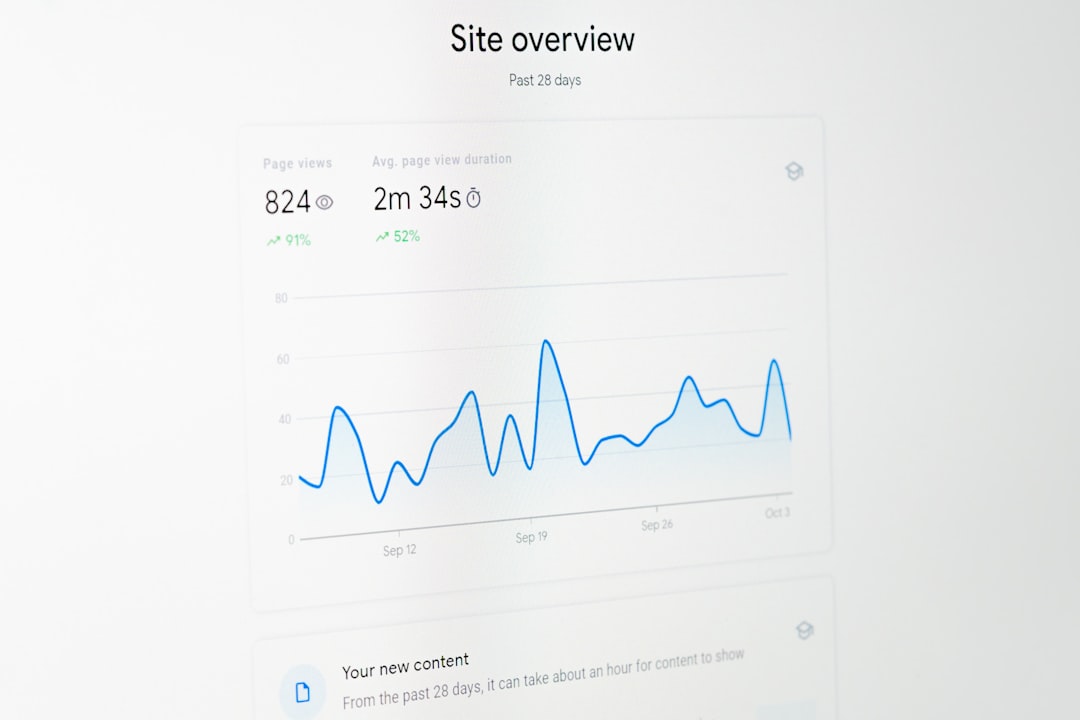
By leveraging GA4 insights, marketers can refine campaigns, identify high-performing channels, and reduce bounce rates through data-informed adjustments.
2. HubSpot Analytics
HubSpot Analytics integrates marketing, sales, and customer service data into one cohesive platform. It allows teams to track campaign performance, monitor lead generation, and analyze email engagement from a centralized dashboard.
Because it connects directly with CRM data, businesses gain visibility into the entire customer lifecycle—from initial contact to closed deals.
- Advanced attribution reporting
- Lead scoring insights
- Email and landing page analytics
- Marketing ROI measurement
Organizations seeking alignment between marketing and sales often benefit significantly from HubSpot’s comprehensive performance tracking.
3. SEMrush
SEMrush is a popular SEO and competitive intelligence tool that helps improve website visibility and digital marketing effectiveness. It enables businesses to conduct keyword research, track rankings, analyze backlinks, and evaluate competitor strategies.
Understanding search performance is critical for driving organic traffic and optimizing paid campaigns.
- Keyword gap analysis
- Domain competitor comparison
- Backlink audits
- Content performance metrics
With these insights, marketing teams can refine content strategies and strengthen search engine rankings.
4. Hotjar
Hotjar focuses on user behavior analytics, helping businesses understand how visitors interact with their websites. Through heatmaps, session recordings, and feedback polls, companies can identify friction points that hinder conversions.
Image not found in postmeta
Core features include:
- Click and scroll heatmaps
- Session replays
- User feedback surveys
- Conversion funnel tracking
By analyzing user movement patterns, businesses can redesign pages, optimize calls to action, and enhance user experience. This leads to improved engagement and higher conversion rates.
5. Tableau
Tableau is a powerful data visualization and business intelligence tool. It transforms complex datasets into interactive dashboards that are easy to interpret. For companies managing large volumes of marketing and sales data, Tableau simplifies reporting and enhances strategic planning.
- Interactive visual dashboards
- Real-time data integration
- Customizable reporting tools
- Enterprise-level scalability
Executives and department heads can quickly identify trends, anomalies, and growth opportunities without manually sorting through spreadsheets.
6. Salesforce Analytics
Salesforce Analytics delivers in-depth sales intelligence by leveraging CRM data. It supports pipeline management, revenue forecasting, and performance tracking for sales teams.
Sales leaders can analyze deal progression, identify bottlenecks, and forecast revenue with improved accuracy.
- Pipeline trend analysis
- Sales forecasting models
- Performance dashboards
- Automated reporting
This level of visibility helps teams focus on high-value opportunities and optimize sales operations for consistent growth.
7. Mixpanel
Mixpanel specializes in product and event analytics. It enables businesses to track specific user actions within web and mobile applications. Rather than focusing solely on pageviews, Mixpanel examines deeper behavioral interactions.
Image not found in postmeta
- Event-based tracking
- Retention analysis
- Cohort comparison reporting
- Conversion funnel monitoring
Companies developing SaaS platforms or mobile applications benefit from Mixpanel’s granular insights, which support data-backed product improvements and retention strategies.
Comparison Chart of Key Features
| Tool | Primary Focus | Best For | Key Strength |
|---|---|---|---|
| Google Analytics 4 | Website & Event Tracking | Traffic and conversion analysis | Comprehensive behavioral data |
| HubSpot Analytics | Marketing & CRM Reporting | Lifecycle tracking | Integrated marketing and sales insights |
| SEMrush | SEO & Competitive Analysis | Organic growth strategies | Keyword and backlink intelligence |
| Hotjar | User Experience Analytics | UX optimization | Heatmaps and session recordings |
| Tableau | Data Visualization | Enterprise reporting | Interactive dashboards |
| Salesforce Analytics | Sales Intelligence | Revenue forecasting | Pipeline tracking |
| Mixpanel | Product & Event Analytics | App engagement analysis | Cohort and retention reporting |
How These Tools Work Together
No single analytics tool covers every aspect of digital performance. Businesses often combine platforms to build a comprehensive analytics ecosystem. For example:
- GA4 tracks website traffic.
- SEMrush improves organic visibility.
- Hotjar enhances user experience.
- HubSpot connects marketing to sales outcomes.
- Tableau visualizes aggregated insights.
By integrating multiple tools, organizations eliminate data silos and ensure strategic decisions are rooted in accurate, cross-functional information.
Choosing the Right Analytics Tools
Selecting the right solution depends on several factors:
- Business size: Enterprise-level companies may require advanced reporting and scalability.
- Industry: SaaS companies often prioritize product analytics tools.
- Budget: Some solutions offer free tiers, while others require premium subscriptions.
- Integration needs: Tools should connect seamlessly with CRM, CMS, and advertising platforms.
Careful evaluation ensures that businesses invest in tools that align with specific operational goals.
Conclusion
Analytics tools have become foundational to modern marketing, sales, and website optimization strategies. By leveraging platforms such as Google Analytics 4, HubSpot Analytics, SEMrush, Hotjar, Tableau, Salesforce Analytics, and Mixpanel, companies gain valuable insights into customer behavior, campaign effectiveness, and revenue performance.
Data-driven decision-making not only enhances operational efficiency but also drives sustainable growth. As digital ecosystems continue evolving, organizations that harness analytics strategically will remain better positioned to adapt and outperform competitors.
Frequently Asked Questions (FAQ)
- 1. Why are analytics tools important for marketing?
Analytics tools provide measurable insights into campaign performance, customer acquisition channels, and engagement rates, enabling marketers to allocate budgets more effectively and increase ROI. - 2. Can small businesses benefit from analytics platforms?
Yes. Many tools offer free or scalable plans tailored to smaller organizations, allowing them to track growth and make informed decisions without large investments. - 3. How do analytics tools improve sales performance?
Sales analytics platforms track pipeline progress, measure conversion rates, and forecast revenue, helping teams identify bottlenecks and prioritize high-value leads. - 4. What is the difference between web analytics and product analytics?
Web analytics focuses on pageviews, traffic sources, and overall site engagement, while product analytics tracks specific user actions within applications to understand feature usage and retention. - 5. How often should businesses review their analytics data?
Most companies monitor high-level metrics weekly, while conducting deeper monthly or quarterly performance analyses to guide strategic planning. - 6. Do these tools require technical expertise?
Basic reporting is generally user-friendly, but advanced customization, integration, and interpretation may require technical or analytical expertise. - 7. Is it necessary to use multiple analytics tools?
In many cases, yes. Combining tools ensures comprehensive coverage of marketing, sales, and website performance metrics.


