
Managing human resources in the construction industry presents unique challenges, especially when much of the workforce operates in the field rather than in a centralized office. From tracking time across multiple job sites to ensuring safety compliance and managing payroll for seasonal workers, construction companies must juggle complex HR demands daily. Without the right systems in place, these responsibilities can lead to costly errors, compliance risks, and reduced productivity.
TLDR: Construction companies with field employees face complex HR challenges including time tracking, compliance, payroll, and communication. Modern HR management tools streamline these processes by centralizing workforce data, automating administrative tasks, and improving field-to-office coordination. The right combination of technology can significantly reduce errors, increase efficiency, and enhance employee satisfaction. Below are five essential HR tools that help construction businesses better manage their mobile workforce.
Below are five essential HR management tools that construction companies can use to optimize workforce management, increase operational efficiency, and maintain compliance in a dynamic field environment.
1. Cloud-Based Time Tracking and Attendance Software
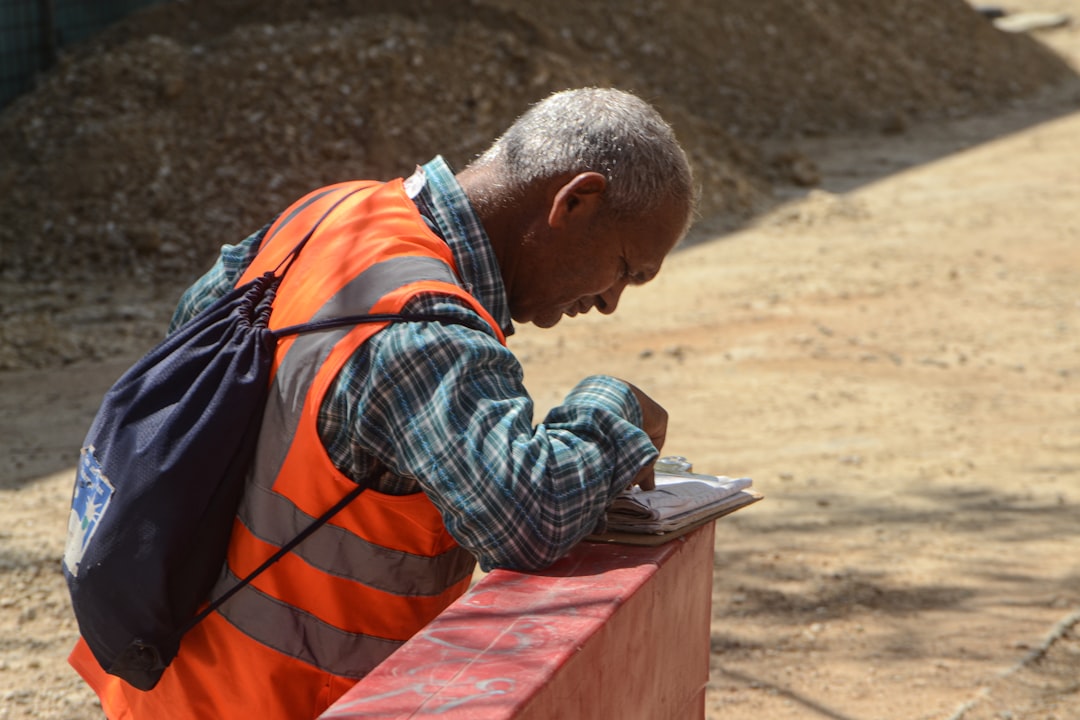
Accurate time tracking is critical in construction. Field employees often work at different job sites, sometimes across varying shifts and overtime structures. Manual timecards and spreadsheets can result in errors, time theft, and delayed payroll processing.
Cloud-based time tracking tools allow employees to clock in and out directly from their mobile devices. Many systems include GPS tracking and geofencing capabilities to ensure workers are physically present at job sites when clocking in.
Key benefits include:
- Real-time visibility into workforce attendance
- Automatic overtime calculations
- Integration with payroll systems
- Reduced administrative workload
- Improved compliance with labor laws
These platforms also provide managers with detailed labor reports, helping them track productivity, allocate resources efficiently, and forecast workforce needs for upcoming projects.
2. Mobile HR Management Systems (HRIS)
A Human Resource Information System (HRIS) acts as a centralized hub for employee data. For construction companies with field teams, mobile accessibility is essential. Managers and employees must be able to access HR information from job sites without returning to headquarters.
Mobile HR management systems allow employees to:
- Update personal information
- Access pay stubs and tax documents
- Submit leave requests
- Review company policies
- Complete onboarding paperwork electronically
For HR departments, these systems provide:
- Centralized employee records
- Automated document storage
- Compliance tracking and reporting
- Streamlined onboarding processes
In an industry with high turnover and project-based hiring, an HRIS helps ensure that records remain accurate and accessible. It also reduces paperwork delays that can slow down new employee onboarding.
3. Construction Payroll and Compliance Software
Payroll in construction is significantly more complex than in many other industries. Companies may need to handle:
- Prevailing wage requirements
- Certified payroll reporting
- Union agreements
- Multi-state tax regulations
- Project-based cost allocation
Specialized construction payroll software automates these intricate calculations. Instead of manually adjusting wages or tracking union contributions, HR teams can rely on systems designed specifically for construction regulations.

Core advantages include:
- Automated certified payroll reporting
- Accurate tax and wage calculations
- Direct integration with time tracking tools
- Reduced compliance risk
By automating compliance-heavy tasks, companies reduce the likelihood of audits, fines, or disputes. This technology is especially important for firms working on government contracts, where regulatory requirements are stricter.
4. Workforce Scheduling and Resource Planning Tools
Managing labor allocation across multiple job sites requires careful coordination. Overstaffing wastes budget, while understaffing can delay project timelines and frustrate clients.
Workforce scheduling and resource planning tools provide real-time visibility into workforce availability and project demands. Managers can assign workers based on skill sets, certifications, and location.
Important features include:
- Drag-and-drop scheduling interfaces
- Certification and license tracking
- Labor forecasting and budgeting tools
- Automated schedule notifications via mobile apps
These tools improve collaboration between office administrators and field supervisors. Schedule changes can be instantaneously communicated to affected employees, minimizing confusion and delays.
Additionally, tracking certifications ensures that only qualified workers are assigned to specialized tasks, reducing safety risks and helping companies remain compliant with OSHA and other industry regulations.
5. Safety and Training Management Platforms
Safety is paramount in construction. Field employees operate heavy machinery, work at heights, and face hazardous conditions daily. HR departments must ensure training is current and incident reports are documented properly.
Dedicated safety and training management platforms simplify these responsibilities by digitizing safety processes.
Image not found in postmetaThese systems typically offer:
- Online training modules
- Certification tracking
- Incident and accident reporting tools
- Compliance documentation storage
By centralizing training records, HR managers can quickly identify expired certifications and schedule updates proactively. Digital incident reporting also improves response times and creates a clear audit trail for legal protection.
In a field-focused environment, mobile access ensures workers can complete mandatory training directly from tablets or smartphones, minimizing downtime and improving safety culture across the organization.
Comparison Chart of HR Management Tools for Construction Companies
| Tool Type | Primary Focus | Mobile Access | Compliance Support | Best For |
|---|---|---|---|---|
| Time Tracking Software | Attendance and labor hours | Yes | Overtime and labor law compliance | Monitoring field work hours |
| HR Management System (HRIS) | Employee data management | Yes | Document and record compliance | Centralized HR administration |
| Construction Payroll Software | Wages and tax management | Yes | Prevailing wages and union rules | Government contract projects |
| Workforce Scheduling Tools | Labor allocation | Yes | Certification tracking | Multi-site coordination |
| Safety Management Platforms | Training and incident tracking | Yes | OSHA and safety regulations | High-risk job sites |
Choosing the Right Combination of Tools
While each tool serves a distinct purpose, the most effective construction companies integrate multiple systems to create a cohesive HR ecosystem. For example, time tracking software can feed directly into payroll systems, while scheduling tools connect with safety platforms to verify certification requirements before work assignments.
When evaluating solutions, companies should consider:
- Ease of mobile use for field employees
- Integration capabilities with existing systems
- Industry-specific compliance features
- Scalability for future growth
- Data security standards
Investing in construction-specific HR tools often delivers greater returns than adapting generic corporate HR systems. Specialized solutions understand the nuances of prevailing wage laws, union reporting, and project-based workforce allocation.
Conclusion
Construction companies with field employees operate in a uniquely demanding environment. Managing HR tasks manually or through disconnected systems increases the risk of compliance issues, payroll errors, and operational inefficiencies. By leveraging modern HR management tools—particularly those tailored to the construction industry—companies can streamline administrative processes while supporting safety, productivity, and workforce satisfaction.
As labor shortages and regulatory complexities continue to impact the industry, strategic investment in HR technology becomes not just beneficial, but essential for maintaining competitiveness and profitability.
Frequently Asked Questions (FAQ)
1. Why do construction companies need specialized HR software?
Construction companies face unique challenges such as prevailing wage compliance, union agreements, and multi-site workforce management. Specialized software addresses these industry-specific needs more effectively than generic HR systems.
2. How does mobile access improve HR management for field employees?
Mobile access allows employees to clock in, view schedules, complete training, and access HR documents directly from job sites. This reduces administrative delays and improves communication between field and office staff.
3. Can these tools integrate with existing accounting systems?
Most modern HR and payroll platforms offer integrations with accounting and project management systems, allowing seamless data transfer and reducing manual data entry.
4. Are these tools suitable for small construction businesses?
Yes. Many providers offer scalable pricing models, making these tools accessible for small and mid-sized construction firms while still supporting growth.
5. What is the biggest benefit of implementing HR management tools in construction?
The primary benefit is improved efficiency and compliance. Automation reduces errors, saves administrative time, enhances employee experience, and protects the company from regulatory penalties.
6. How do safety management platforms reduce liability?
By maintaining accurate training records, documenting incidents, and ensuring compliance with safety regulations, these platforms create a clear audit trail that can protect companies during inspections or legal disputes.


